
Key Takeaways
- Redness and swelling will be reduced in 10 to 15 minutes with the application of cold compresses and cool water.
- By removing the trigger, the irritation can’t get worse until a remedy is applied.
- The quickest natural treatments for soothing skin are Aloe vera, oatmeal, and fragrance-free moisturizer.
- Two of the top culprits for irritation persisting or recurring are over-exfoliation and hot showers.
- Consult a dermatologist if the redness gets worse, the pain worsens or the irritation persists for more than 2 weeks.
Intro
The symptoms of irritated skin appear quickly, but can be soothed just as rapidly with the appropriate measures. The three most common causes of skin irritation are cooled, removed, and treated with a perfume-free skin moisturizing lotion.
Table Of Content
- Key Takeaways
- Intro
- Understanding Skin Inflammation, Irritation, and Itchiness
- What Is Skin Inflammation?
- What Is Skin Irritation?
- What Is Itchy Skin?
- Common Signs and Symptoms
- Causes and Triggers
- Environmental Factors
- Hormonal Changes
- Product Ingredients and Allergic Reactions
- Lifestyle Habits
- Skin Conditions (Eczema, Psoriasis, Rosacea, Dry Skin, Hives)
- Other Causes (Insect Bites, Heat Rash, Scabies)
- Immediate Steps to Calm Skin
- Step-by-Step Fast Relief Routine
- Immediate Relief Remedies
- Cold Compresses and Cool Water
- Oatmeal Baths and Colloidal Oatmeal
- Aloe Vera Gel
- Coconut Oil
- Apple Cider Vinegar
- Baking Soda
- Epsom Salts or Dead Sea Salts
- Menthol Application
- Wet Wrap Therapy
- Tea Tree Oil
- Indigo Naturalis
- Green Tea
- Other Herbal Remedies
- Skincare Routine for Calming Irritated Skin
- Simplify Your Routine
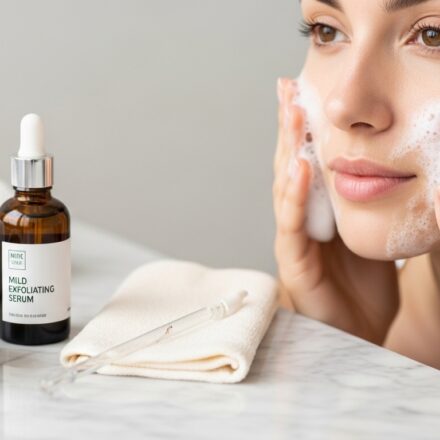
- Use a Gentle, Hydrating Cleanser
- Apply a Gentle Toner (Alcohol-Free)
- Hydrate with a Soothing Serum
- Moisturize with Barrier-Friendly Ingredients
- Protect with Sunscreen (SPF)
- Avoid Over-Exfoliation
- Use Natural Soothing Ingredients (e.g., Facial Oils)
- Stay Hydrated (Internal and External)
- Diet and Lifestyle Changes
- Adopt an Anti-Inflammatory Diet
- Drink Plenty of Water
- Manage Stress
- Avoid Known Irritants (Fragrances, Harsh Soaps)
- Use a Humidifier
- Take Short, Lukewarm Showers
- Protect Skin from Sun and Injury
- Best Skincare Ingredients for Calming Skin
- Soothing Ingredients (Aloe Vera, Oatmeal, Cucumber)
- Hydrating Ingredients (Hyaluronic Acid, Glycerin, Ceramides)
- Anti-Inflammatory Ingredients (Green Tea, Chamomile, Niacinamide)
- Ingredients to Avoid (Alcohol, Fragrance, Harsh Exfoliants)
- Advanced Treatments and Professional Help
- When to See a Dermatologist
- Warning Signs (Infection, Severe Pain, Spreading Rash)
- Professional Treatments (Prescription Creams, Light Therapy)
- Consulting a Doctor for Underlying Conditions
- Prevention Tips
- Identify and Avoid Triggers
- Maintain a Consistent Skincare Routine
- Use Gentle Products Suitable for Your Skin Type
- Protect Skin from Environmental Stressors
- Stay Hydrated and Eat a Balanced Diet
- Frequently Asked Questions (FAQs)
- Q1: How long does it take for irritated skin to calm down?
- Q2: Can I still exfoliate when my skin is irritated?
- Q3: What is the fastest way to heal irritated skin?
- Q4: How can I reduce facial redness overnight?
- Q5: What is the best thing to put on dry, irritated skin?
- Conclusion
- Author Information
This guide explains the quickest home remedies, what a simple skin care regimen should include, and what things should be looked out for that indicate it’s time to see a dermatologist.
Understanding Skin Inflammation, Irritation, and Itchiness
What Is Skin Inflammation?
Inflammation of the skin is a response of the body’s immune system to injury, infection, or an irritant. The affected area becomes red, hot and swollen due to increase in blood flow. Inflammation is not a disease! It is a warning sign that skin is responding to something, such as a chemical, an allergen, heat or rubbing.What Is Skin Irritation?
Skin irritation is a type of skin damage that occurs at the surface of the skin as a result of direct contact with a substance or physical agent. Harsh soap, rough fabric or washing too frequently are irritating to skin, but do not cause an entire allergic reaction. Irritation tends to clear up more quickly than inflammation associated with a disease, as long as the irritating agent is removed, the reaction will cease.What Is Itchy Skin?
Medical term itchy skin is pruritus, which is a signal sent by the nerves that causes a person to scratch. Pruritus is caused by dry skin, insect bites, allergic reactions and certain skin disorders. Scratching causes the barrier to become further compromised and can cause an itch to escalate into a rash.Common Signs and Symptoms
The 6 common symptoms of irritated skin are: redness, swelling, heat, itching, dryness or flaking, and a stinging or burning sensation. Others experience small bumps or a rash that mimics the pattern of contact with the irritant, like a line of the necklace clasp or patch of a new detergent.| Remedy | How It Works | Best For |
|---|---|---|
| Cold Compress | Constricts blood vessels, reduces swelling | Sunburn, general redness |
| Aloe Vera Gel | Cools skin, adds moisture without clogging pores | Sunburn, razor irritation |
| Colloidal Oatmeal Bath | Coats skin, reduces itching | Widespread rash, heat rash |
| Apple Cider Vinegar (diluted) | Antibacterial, reduces itch | Mild skin infections |
| Baking Soda Paste | Changes skin pH, calms itching | Insect bites, poison ivy |
| Epsom Salt Soak | Reduces swelling via magnesium | Sore, irritated skin |
Causes and Triggers
Environmental Factors
The combination of cold wind, low humidity and sun exposure depletes moisture from the skin and/or reduces the barrier function. Pollution particles block pores on the skin surface and mix with the skin’s natural oil production which causes a reaction in sensitive skin types.Hormonal Changes
Oil and skin sensitivity levels vary throughout the menstrual cycle, pregnancy and menopause. Normally tolerant skin can react at these times as it is thinner and more reactive.Product Ingredients and Allergic Reactions
The most common causes of irritation due to products are fragrance, alcohol, and some preservatives. Contact dermatitis or allergic reaction occurs when chemicals are mistaken for a threat by the immune system, causing redness, swelling and itching at the point of contact.Lifestyle Habits
Over time, hot showers, excessive touching of the face and excessive exfoliation all compromise the skin barrier. Another way high stress and poor sleep can affect the skin is by increasing cortisol, which is associated with increased skin sensitivity and slower healing.Skin Conditions (Eczema, Psoriasis, Rosacea, Dry Skin, Hives)
There are 5 skin conditions that result in chronic irritation, not just one time. These are eczema, psoriasis, rosacea, chronic dry skin or hives. The patches of eczema are dry and itchy. Psoriasis results in thick, scaly patches. Rosacea is characterized by long-term redness and prominent blood vessels of the face. Hives are raised welts, which last for several hours and then go away.Other Causes (Insect Bites, Heat Rash, Scabies)
The 3 other sudden skin irritation causes are insect bites, heat rash, and scabies. Heat rash occurs in hot and humid conditions as a result of blocked sweat ducts. Scabies is an infestation of skin by mites that causes severe itching, particularly at night.Immediate Steps to Calm Skin
Avoid touching or scratching the area first; this causes irritation since friction and bacteria from hands aggravates the condition. Wash skin with cool water to wash away any product, sweat or allergens. Use a soft towel to dry the skin, do not rub the skin.
Moisturize the skin or apply a soothing gel when the skin is just slightly damp, as it will trap moisture better than when applied to dry skin, and use a fragrance-free product. These 4 steps can be completed in under 5 minutes and will solve two of the issues that can cause irritation – persistent contact with the irritating substance and moisture loss.
Step-by-Step Fast Relief Routine
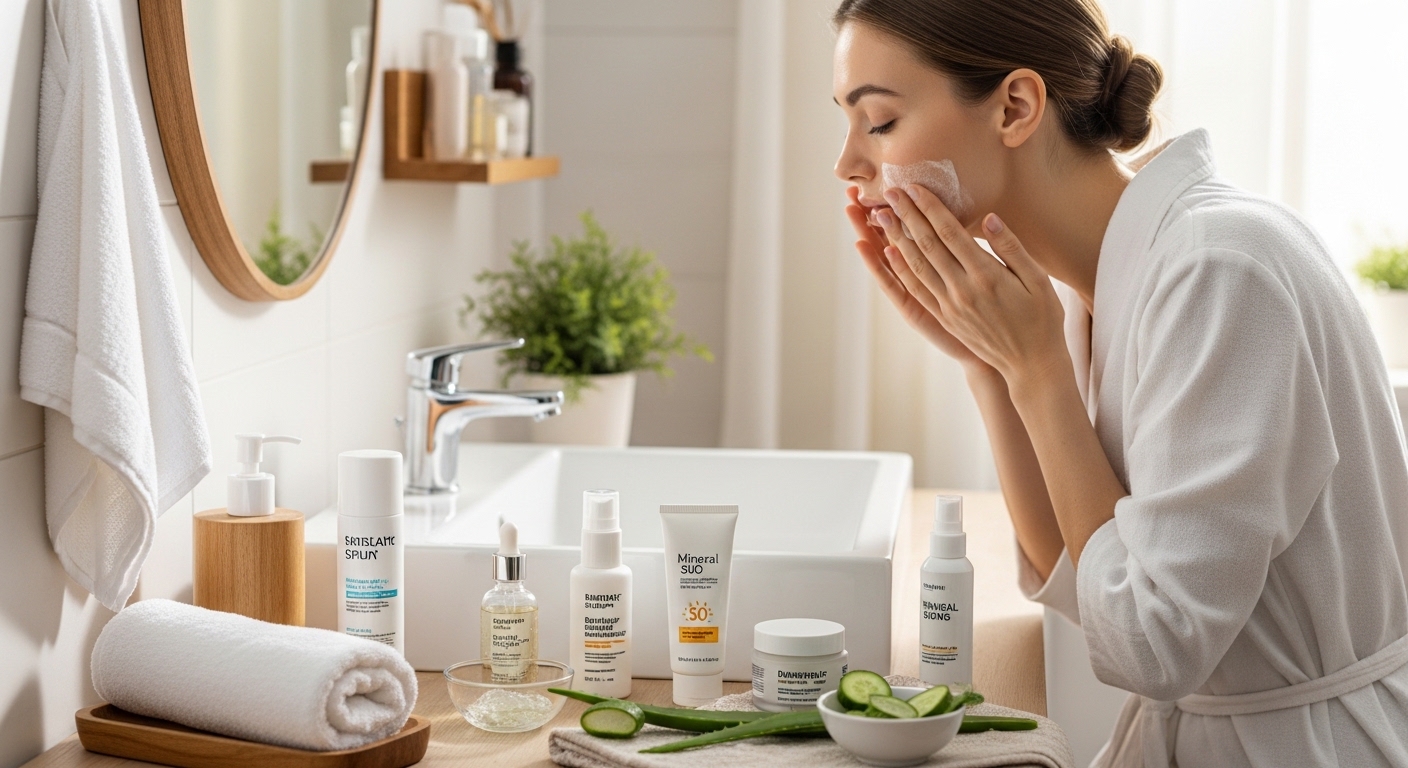
- Remove the trigger. Remove the irritating textured material, wash it off or get away from the environmental source.
- Rinse with cool water for 60 seconds to cool surface.
- Cool with a cold compress for 10-15 minutes.
- Wrap ice in cloth, do not put directly on skin. Moisturize skin with aloe vera gel or a fragrance-free moisturizer, when damp.
- If the irritation has spread over a larger part of the body, then you should consider taking a bath of oatmeal to treat the condition for 15 to 20 minutes with lukewarm water.
- Don’t use makeup, sunscreen with perfume or any active ingredients that contain retinol within 24 to 48 hours until it has recovered.
Immediate Relief Remedies
Cold Compresses and Cool Water
A cold compress will constrict the blood vessels and decrease swelling in 10-15 minutes. Use a clean cloth to wrap ice cubes and apply it to skin, don’t apply ice directly to skin, as it could cause frostbite on very sensitive skin.Oatmeal Baths and Colloidal Oatmeal
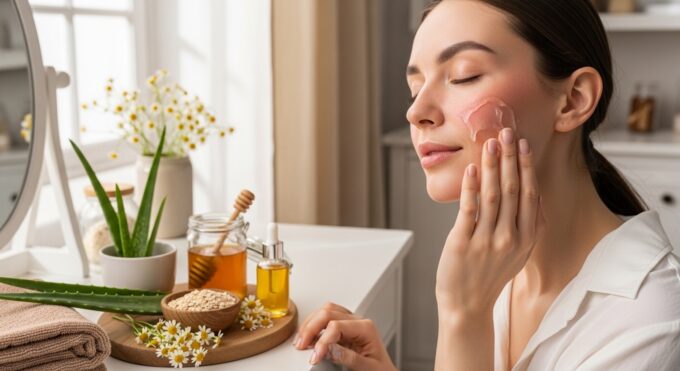
Colloidal oatmeal is a fine ground powder of oats which can be dissolved in water. It forms a protective layer on the skin and decreases the itching. Soaking in lukewarm water for 15-20 minutes, followed by a 15-20 minute soak with 1 cup of colloidal oatmeal will help decrease widespread irritation from a heat rash or allergic reaction.Aloe Vera Gel
Aloe Vera gel will keep skin cool and hydrated, but will not clog pores. The pure aloe vera gel, extracted from the plant or purchased without artificial fragrances, is most effective for sunburn, razor irritation and for mild allergic reactions.Coconut Oil
The fatty acids in coconut oil help to maintain the barrier function and minimise the loss of moisture from the skin. It is used best on dry, flaking skin but should not be used on oily or acne prone skin as it can clog pores, so is not the first choice for use on irritated facial skin.Apple Cider Vinegar
The acidic nature of apple cider vinegar with its antibacterial properties can help decrease itching associated with minor skin infections when applied in a diluted form, which is a 1:4 mixture of vinegar and water. Vinegar is a skin irritant, and therefore must be diluted before use.Baking Soda
It can alleviate the itching of insect bites and poison ivy with a baking soda paste of 3 parts baking soda to 1 part water. Baking soda disrupts the pH of the skin and should be used sparingly as too much will eventually cause the skin barrier to be broken down.Epsom Salts or Dead Sea Salts
Both epsom salts and Dead Sea salts have a magnesium component which helps to decrease swelling and relieve sore, irritated skin. Place 1-2 cups in a warm bath and soak for 15-20 minutes.Menthol Application
Menthol has cooling properties that block nerve endings from itch signal. Products containing 1-3% menthol decrease the need to scratch, but do not provide any heat or friction to the skin.Wet Wrap Therapy
The wet wrap therapy is carried out by using moisturizer and wrapping with a wet cloth and then dry cloth is wrapped over it. It’s a technique that’s used for eczema flares and helps to absorb the moisturizer and cool the skin.Tea Tree Oil
Tea tree oil is antibacterial and anti-inflammatory which is beneficial for irritated skin caused by acne or small infections. It needs to be mixed with a carrier oil as undiluted tea tree oil is a skin irritant.Indigo Naturalis
A natural substance derived from plants called indigo naturalis that is put into creams to treat psoriasis. Studies carried out in clinics have revealed that it helps in decreasing plaque thickness and redness with consistent use over a few weeks.Green Tea
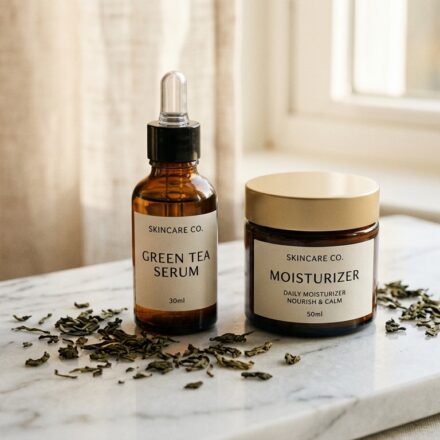
The cooled compress or drink of green tea is a source of antioxidants called catechins, which help to relieve inflammation. Used tea bags placed on eyes and face after being cooled restrict the puffiness and redness in the eyes.Other Herbal Remedies
Chamomile, calendula and witch hazel are 3 other herbs that are utilized for skin calming. Chamomile’s anti-inflammatory properties help to decrease redness. Calendula will heal minor cuts and irritation quickly. Witch hazel is a gentle astringent which shrinks swelling.Skincare Routine for Calming Irritated Skin
Simplify Your Routine
Use a cleanser and moisturizer during times of skin irritation. If you use serums, exfoliants or active ingredients during a flare-up, it’s likely to slow healing.Use a Gentle, Hydrating Cleanser
A mild cleanser will not strip away natural oils, but will remove dirt. Try to find cleansers that are marked as “fragrance-free” and “soap-free” because normal soap can elevate skin’s pH and cause dryness.Apply a Gentle Toner (Alcohol-Free)
An alcohol-free toning product will help balance the skin’s pH level following a cleansing product, but without the alcohol-based drying effect. Avoid using toner if it causes skin tightness or stinging.Hydrate with a Soothing Serum
A HA or panthenol serum is applied before moisturiser. Use on moist skin for better penetration.Moisturize with Barrier-Friendly Ingredients
A combination of ceramides, cholesterol and fatty acids restores the barrier function of the skin if they are used in the proper proportions. These 3 ingredients are essential for a moisturizer, and they repair skin quicker than one containing just one of them.Protect with Sunscreen (SPF)
Skin that has already healed will continue to be protected from further damage by Sun Protection Factor (SPF) 30 or above. Sunscreens containing zinc oxide are less irritating to sensitive skin than chemical sunscreens.Avoid Over-Exfoliation
Do not exfoliate often, only during a flare up, once or twice a week. Scrubs and high doses of acids causes damage to the outermost protective layer and exacerbates irritation.Use Natural Soothing Ingredients (e.g., Facial Oils)
The facial oils, like squalane and jojoba oil, act like the natural oil our skin produces and lower the amount of water loss. Use a little to moisten the end of a routine.Stay Hydrated (Internal and External)
Consume 8 to 10 cups (2 to 2.4 liters) of water per day to help hydrate skin at the inside. Use with a moisturising outside agent such as a humectant based moisturiser.
Diet and Lifestyle Changes
Adopt an Anti-Inflammatory Diet
Fatty fish, leafy greens, berries and nuts are foods that should be eaten on an anti-inflammatory diet. Omega-3 fatty acids and antioxidants found in these foods help to decrease inflammation markers in the body over a period of weeks by eating regularly.Drink Plenty of Water
Drinking enough water helps keep the skin barrier intact, and minimizes the irritation that can come from skin dryness. The amount of fluid that adults require is 2 to 3 liters per day (68 to 101 fl oz) of total fluid, including water from food.Manage Stress
Stress increases the cortisol (a stress hormone) which makes the skin more sensitive and slows down healing. The cortisol level is lowered over time with daily activities like short walks, breathing exercises and regular sleep.Avoid Known Irritants (Fragrances, Harsh Soaps)
Read the labels for any ingredients such as fragrance, sulfates or dyes and, if showing signs of irritation, avoid and remove any product containing these. Using less irritating laundry detergent and body wash (without fragrance) will limit contact irritation.Use a Humidifier
A humidifier is used to introduce moisture into the air in homes, and can help keep skin hydrated in the winter or when the home is air-conditioned. For skin comfort maintain indoor humidity within 40% and 50%.Take Short, Lukewarm Showers
Take showers rather than baths and use lukewarm water – do not take hot water showers for more than 5 to 10 minutes. Hot water removes natural oils and aggravates itchy skin caused by dryness.Protect Skin from Sun and Injury
Use protective clothing and sun protection lotion (sunscreen) when outdoors to avoid sun-related irritation. Keep wounds and scratches covered to stop them from becoming inflamed because of infection.Best Skincare Ingredients for Calming Skin
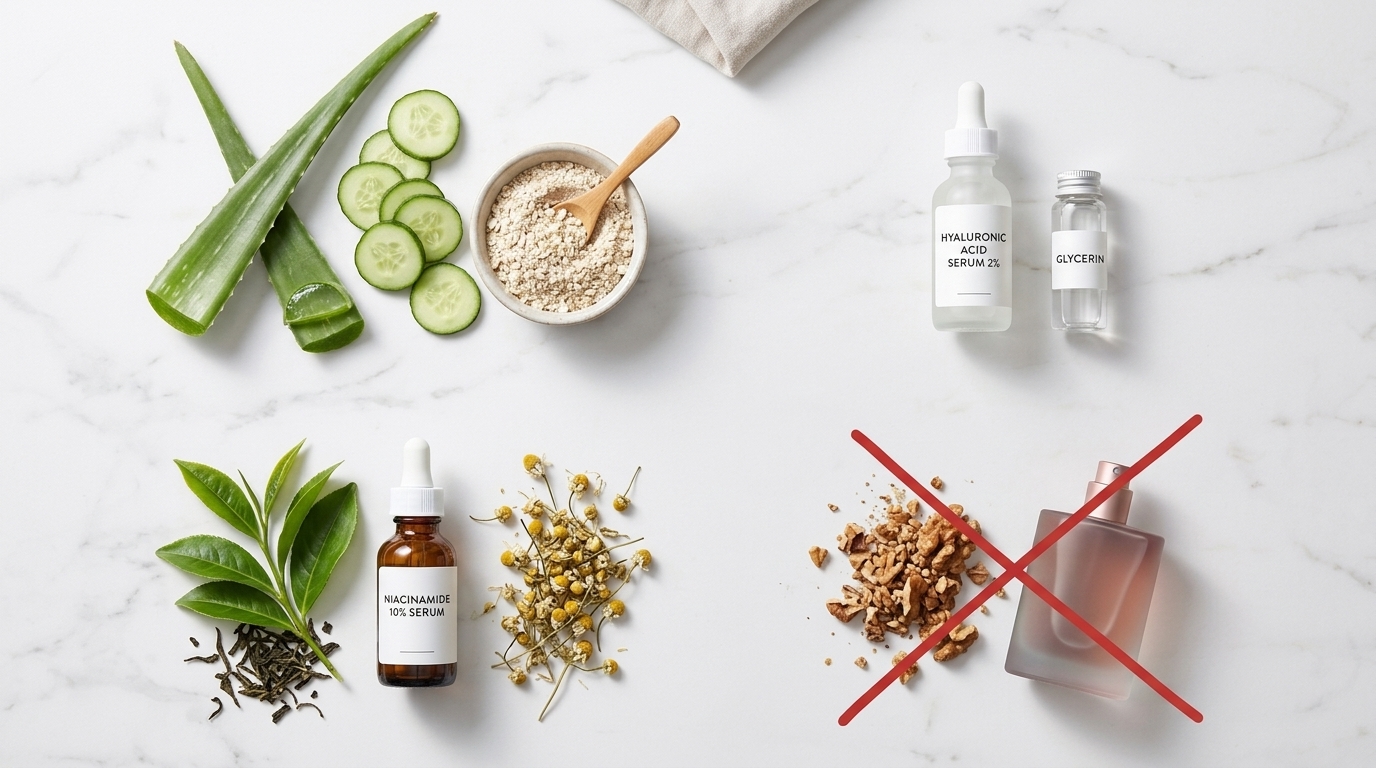
Soothing Ingredients (Aloe Vera, Oatmeal, Cucumber)
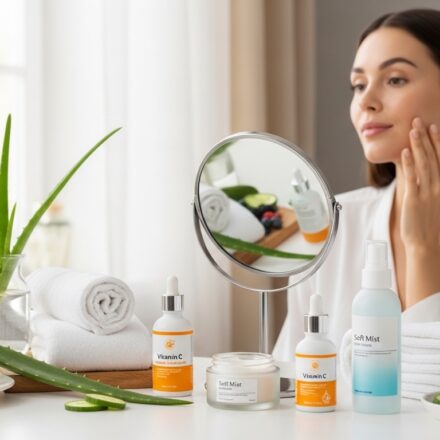
Aloe vera, colloidal oatmeal and cucumber extract are 3 cooling, soothing ingredients to help minimize redness. These ingredients are good for sunburns, razor burns and mild allergic reactions.Hydrating Ingredients (Hyaluronic Acid, Glycerin, Ceramides)
There are 3 hydrating ingredients that each have a different function: Hyaluronic acid, Glycerin and Ceramides. Hyaluronic acid is also a hydrating ingredient that brings water to the skin. Glycerin is used to keep water from running out. Ceramides restore the barrier which prevents loss of water.Anti-Inflammatory Ingredients (Green Tea, Chamomile, Niacinamide)
Research has shown that 3 ingredients, green tea, chamomile and niacinamide are anti-inflammatory, and they’re all good for reducing redness. Regularly using niacinamide, another form of vitamin B3, will also help to reinforce the barrier of the skin.Ingredients to Avoid (Alcohol, Fragrance, Harsh Exfoliants)
3 Categories of Ingredients to avoid with irritated skin are Denatured Alcohol, Added Fragrance, and Physical scrubs. All of them remove natural oils or cause friction, which will hinder the healing process.Advanced Treatments and Professional Help
When to See a Dermatologist
If the irritation persists for more than 2 weeks, if it moves to other areas or if it does not improve with home care, see a dermatologist! Through a skin exam and/or patch test, your dermatologist can determine the exact cause.Warning Signs (Infection, Severe Pain, Spreading Rash)
Fever, severe pain, spreading redness, growing warmth and pus are 5 signs of infection which need to be treated. Seek attention if any of the following signs are present, within 24 hours.Professional Treatments (Prescription Creams, Light Therapy)
For chronic irritation that’s associated with diseases such as eczema and psoriasis, there are 3 professional treatments that are used: prescription corticosteroid creams, light therapy and calcineurin inhibitors. The strength and duration is determined by a dermatologist depending on how severe the condition is.Consulting a Doctor for Underlying Conditions
If skin problems don’t go away when it is bothered, a doctor can check for other problems like thyroid disease or a problem of the immune system. Blood tests and allergy panels aid in discovering causes which cannot be seen on the skin.| Sign | What It Means | Action |
|---|---|---|
| Redness spreading | Irritation is not contained | See a dermatologist |
| Pus or increasing warmth | Possible infection | Seek care within 24 hours |
| Fever with rash | Possible systemic infection | Seek care within 24 hours |
| Irritation lasting 2+ weeks | Not resolving with home care | Schedule a skin exam |
| Severe pain | Beyond typical irritation | Seek medical attention promptly |
Prevention Tips
Identify and Avoid Triggers
If you begin to get symptoms of irritation, maintain a brief log of new products, foods, and environments to determine the source of the irritation. Eliminating one variable gives better chances of finding the cause.Maintain a Consistent Skincare Routine
Using the same cleaning and moisturising product each day, minimises the risk of a new reaction occurring when switching to different products frequently.Use Gentle Products Suitable for Your Skin Type
If you experience a lot of irritation, use products that are specifically marked sensitive skin. Your skin type is important when it comes to how each skin type reacts to the same ingredient, as dry, oily and combination skin types vary.Protect Skin from Environmental Stressors
Apply a sun cream every day and cover your head with a scarf and/or mask when it is cold and windy to minimise exposure to everyday environmental triggers.Stay Hydrated and Eat a Balanced Diet
For long-term skin protection from irritation, a good balance of water and food intake, sustained with plenty of antioxidants and omega-3 fatty acids.Frequently Asked Questions (FAQs)
Q1: How long does it take for irritated skin to calm down?
Mild irritation calms down within 24 to 48 hours with proper care. Irritation linked to an underlying skin condition can take 1 to 2 weeks to fully resolve.Q2: Can I still exfoliate when my skin is irritated?
No, exfoliating irritated skin removes the protective outer layer and slows healing. Wait until redness and stinging fully resolve before resuming exfoliation.Q3: What is the fastest way to heal irritated skin?
The fastest way to heal irritated skin is to remove the trigger, apply a cold compress, then follow with a fragrance-free moisturizer. This combination addresses heat, inflammation, and moisture loss at the same time.Q4: How can I reduce facial redness overnight?
Apply a cold compress for 10 minutes before bed, then use a fragrance-free moisturizer with niacinamide. Sleep with the head slightly elevated to reduce overnight fluid buildup in facial tissue.Q5: What is the best thing to put on dry, irritated skin?
A fragrance-free moisturizer containing ceramides and glycerin is the best option for dry, irritated skin. These ingredients rebuild the barrier while pulling in and holding moisture.Conclusion
The first step to irritated skin relief is to eliminate the irritant, cool the irritated skin and replenish with moisture. Most cases of flares can be resolved in a day or two with the use of cold compresses, aloe vera gel and colloidal oatmeal.
If the rash is still red and is spreading or if it’s causing pain for more than 2 weeks, it’s time to get a dermatologist’s opinion.
Author Information
Mahrukh is the founder of BeautyKob and writes practical skincare and haircare guides focused on simple routines, ingredient awareness, and beginner-friendly beauty habits.