
Key Takeaways
- Washing, moisturizing and using sunscreen regularly are the foundation for radiant complexion.
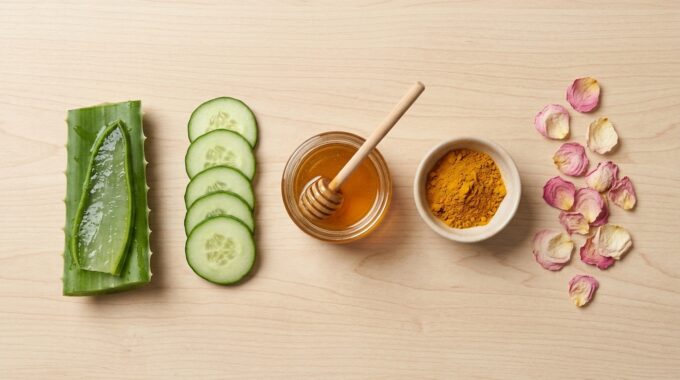
- The natural ingredients such as aloe vera, honey, and turmeric restore and soothe the skin without causing any harm.
- Omega 3s, vitamin C and antioxidants are foods that are beneficial to skin health from the inside out.
- As much as skin care products, sleep, hydration and stress management have an impact on skin appearance.
- If concerned after 8-12 weeks of a regular routine, consult a dermatologist.
Intro
Naturally, naturally, improving the appearance of the skin involves improving tone, texture and radiance, and this can be done by incorporating certain habits that will not cause any invasive procedures. A basic skincare regimen, natural solutions and a diet high in nutrients all play their part in this from multiple angles.
Table Of Content
- Key Takeaways
- Intro
- Understanding Skin Health and Glow
- What is Glowing Skin?
- Factors That Influence Skin Health
- Common Causes of Dull or Textured Skin
- Essential Skincare Routine for Radiant Skin
- Cleansing
- Double Cleansing
- Choosing the Right Cleanser for Your Skin Type
- Exfoliation
- Physical Exfoliation
- Chemical Exfoliation (AHAs, BHAs)
- Moisturizing
- Importance of Moisturizing
- Choosing the Right Moisturizer
- Sun Protection
- Daily Sunscreen Use
- Mineral vs. Chemical Sunscreens
- Additional Skincare Products
- Serums (Vitamin C, Hyaluronic Acid, Retinol)
- Face Masks (Brightening, Plumping, Hydrating)
- Eye Creams and Lip Care
- Natural Home Remedies for Glowing Skin
- Effective Ingredients and Their Uses
- Aloe Vera
- Honey
- Turmeric
- Coconut Oil
- Lemon Juice
- Cucumber
- Yogurt
- Papaya
- Oats
- Rose Water
- Gram Flour (Besan)
- Orange Peel
- Saffron
- Neem
- DIY Face Packs and Masks
- Turmeric and Milk Face Pack
- Cucumber and Mint Mask
- Gram Flour and Turmeric Face Pack
- Home Remedies That Don’t Work
- Body Lotion
- Sugar
- Hot Water
- Toothpaste
- Soap
- Baking Soda
- Diet and Nutrition for Healthy Skin
- Nutrients That Benefit the Skin
- Omega-3 Fatty Acids
- Vitamin C
- Vitamin E
- Lycopene
- Polyphenols
- Foods to Eat for Glowing Skin
- Salmon
- Avocado
- Blueberries
- Tomatoes
- Spinach
- Sweet Potatoes
- Walnuts
- Red Peppers
- Potentially Irritating Foods
- Lifestyle Changes for Radiant Skin
- Hydration
- Drink Plenty of Water
- Reduce Alcohol Consumption
- Sleep
- Get Quality Sleep
- Beauty Sleep Benefits
- Exercise
- Regular Physical Activity
- Facial Exercises and Massage
- Stress Management
- Relieving Stress
- Mindfulness and Relaxation Techniques
- Avoiding Harmful Habits
- Quit Smoking
- Avoid Secondhand Smoke
- Limit Sun Exposure
- Advanced Skincare Techniques
- Facial Massage
- Skin-Plumping Masks
- Regular Facials
- Professional Treatments
- When to See a Dermatologist
- Procedures for Skin Rejuvenation
- Key Ingredients for Glowing Skin
- Vitamin C
- Retinol and Retinoids
- Hyaluronic Acid
- Niacinamide
- Collagen
- Probiotics
- Frequently Asked Questions (FAQs)
- Q1: How long do home remedies take to show results?
- Q2: Are home remedies safe for sensitive skin?
- Q3: Can glowing skin be achieved naturally?
- Q4: How often should face packs be used?
- Q5: When should a dermatologist be consulted?
- Conclusion
- Author Information
In this guide you will find the full routine, and the key ingredients that will get you lasting results as well as some effective home remedies.
Understanding Skin Health and Glow
What is Glowing Skin?
A glowing skin reflects light in an even manner over a smooth and moist surface. This effect can be replicated on skin with 3 main steps: proper hydration, proper cell turnover and even distribution of melanin. If skin has none of these three, it looks flat, dry and even tone.Factors That Influence Skin Health
There are 5 factors that affect skin health—genetics, hydration, diet, sleep and sun exposure. The baseline of the production of oil and collagen is determined by genetics. The other four factors are factors that are under a person’s control and influence over the life span of the skin.Common Causes of Dull or Textured Skin
Dull and/or textured skin is caused by 4 common factors: dead skin accumulation, dehydration, poor sleeping habits and sun damage. If these dead skin cells are not regularly excreted, they have a rough surface, reflecting light unevenly and appearing dull.Essential Skincare Routine for Radiant Skin
Cleansing
Double Cleansing
Double cleansing is a technique that uses an oil-based cleanser to take off makeup and a water-based cleanser to get rid of any dirt. This method is best when performed at night, when the task is to get rid of the day’s “buildup” completely at night.Choosing the Right Cleanser for Your Skin Type
For oily skin, use a foaming cleanser, for dry skin use a cream cleanser and for sensitive skin use a low ph gentle cleanser. A niacinamide face wash is good for combination skin, it cleanses without drying out the skin.Exfoliation
Physical Exfoliation
Physical exfoliation involves scrubbing/bushing to physically eliminate dead skin cells. Exfoliate no more than 1 or 2 times a week as it will harm the skin barrier.Chemical Exfoliation (AHAs, BHAs)
Alpha hydroxy acids (AHAs) break down the connections between the dead skin cells on the surface and beta hydroxy acids (BHAs) go deep into the pores and remove excess oil. Glycolic acid and lactic acid are often used AHAs and salicylic acid is the most widely used BHA.Moisturizing
Importance of Moisturizing
A moisturizing seal keeps water in and helps to maintain the barrier function of the skin, preventing irritants from entering it. If someone with oily skin does not put moisturizer on their skin, the body will make more oil to make up for it, thus worsening skin outbreaks.Choosing the Right Moisturizer
For oily skin, select a light gel moisturizer and for dry skin, go for a creamier product. Many ingredients, such as ceramides and hyaluronic acid are effective for every skin type.Sun Protection
Daily Sunscreen Use
Using sunscreen every day will stop 90% of the visible aging of skin caused by exposure to ultraviolet (UV) rays. Use sun cream that has a Sun Protection Factor (SPF) of at least 30 on cloudy days as well as sunny days.Mineral vs. Chemical Sunscreens
Mineral sunscreens contain either zinc oxide or titanium dioxide to form a physical barrier on the skin that reflects the sun’s UV rays. Chemical sunscreens absorb the sun’s rays and transform them to heat; they are less irritating, but tend to feel lighter, on sensitive skin.Additional Skincare Products
Serums (Vitamin C, Hyaluronic Acid, Retinol)
Vitamin C helps to clear away free radical damage, and lightens skin tone. Hyaluronic acid is an ingredient that attracts moisture. After a few months of using a retinol serum every night, it can help alleviate the look of lines and wrinkles, as well as accelerating the turnover of cells.Face Masks (Brightening, Plumping, Hydrating)
Masks for brightening are meant to combat dark spots and dullness. Plumping masks are used to temporarily plump lines and give your face extra hydration. Masks hydrate to rejuvenate dry or dehydrated skin in 15–20 minutes.Eye Creams and Lip Care
Eye cream is formulated to treat these dry and fine lines that appear first around the eyes. Lip balms containing SPF will help to keep the lips from becoming chapped and sun-damaged.Natural Home Remedies for Glowing Skin
Effective Ingredients and Their Uses
Aloe Vera
The water in aloe vera absorbs and replenishes moisture in the skin while its anti-inflammatory properties eliminate redness. Use fresh gel as applied directly from plant for best effect.Honey
Honey attracts moisture to the skin and possesses natural antibacterial effects, being more effective with raw honey.Turmeric
Turmeric has curcumin which is used to decrease inflammation and lighten the skin tone. To avoid staining, add a little to the milk or yogurt.Coconut Oil
The fatty acids present in coconut oil help to soften dry skin and is best used for the body as it can clog up facial pores in oily or acne prone skin.Lemon Juice
Lemon juice is rich in vitamin C and citric acid that can fade dark spots with regular usage. Lemon juice can be very irritating to the skin if used undiluted and may make skin more sensitive to sun rays, so dilute before using.Cucumber
Cucumber is high in water and it cools and hydrates the skin; cool slices applied to the eyes will make the skin less puffy after 10-15 minutes.Yogurt
Yogurt exfoliates with lactic acid, which helps to soften the texture of the skin, and supports the skin’s microbiome with its probiotics.Papaya
Papaya also has an enzyme called papain which helps to shed dead cells on the surface. This is because papaya masks are effective in enhancing texture and brightness.Oats
The oats’ soothing effect on skin and gentle exfoliation caused by the saponin content make them ideal for irritated skin. Ground oats and water create a gentle scrub to be used for sensitive skin.Rose Water
Rose water brightens, calms and soothes skin due to its anti-inflammatory effects. Spray directly on face after cleaning for a refreshing and hydrating effect.
Gram Flour (Besan)
Gram flour absorbs the excess oil and gently exfoliates the skin. It is the base of many traditional face packs that are used for brightening and oil control purposes.Orange Peel
Dried and ground orange peel contains vitamin C and natural oils which help make the skin more beautiful. Apply it with rose water or yogurt to make a paste to apply once a week.Saffron
With regular use, saffron gives a natural even tone to the skin; a few strands soaked in milk overnight brighten the complexion when applied.Neem
Neem is beneficial for combating the bacteria that cause acne, due to its antibacterial and antifungal properties. The neem paste or neem water can be used as a spot treatment for active acne acne.DIY Face Packs and Masks
Turmeric and Milk Face Pack
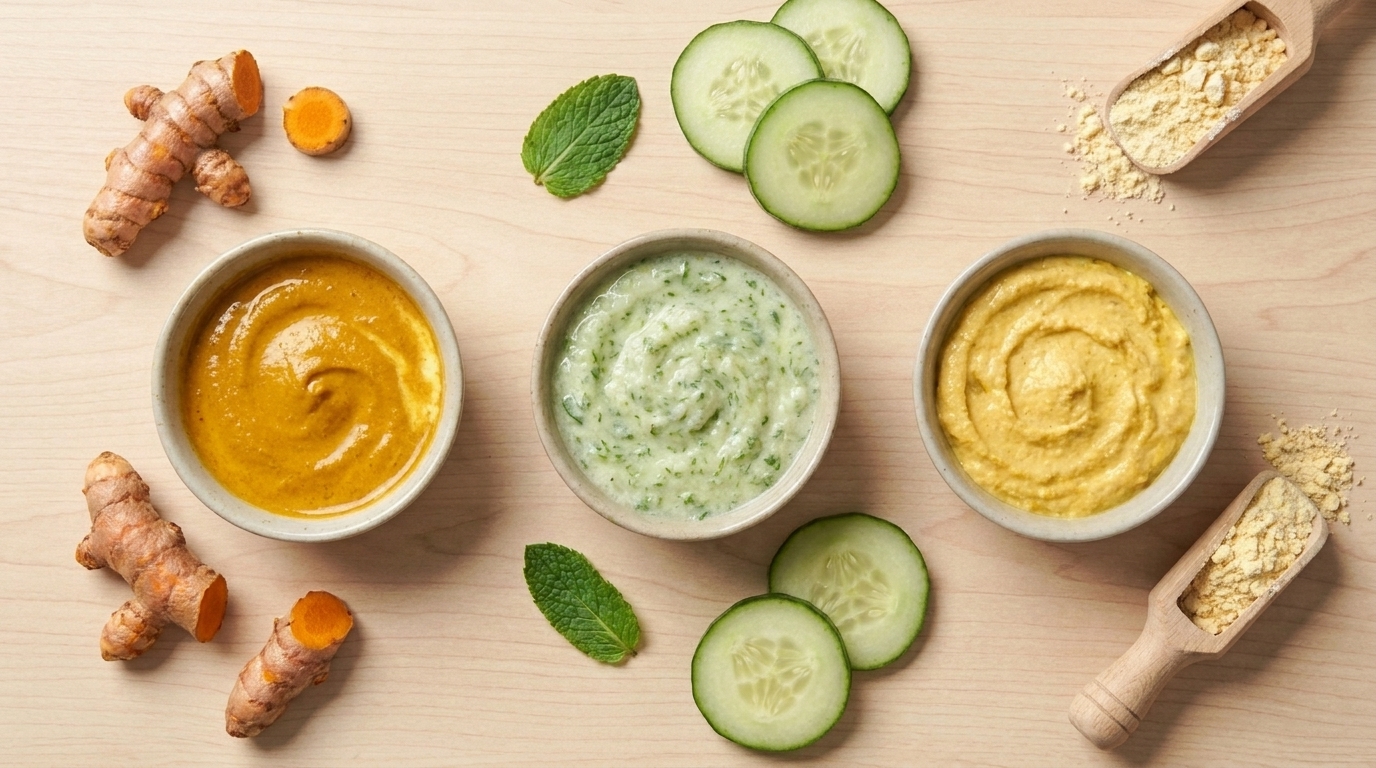
Take 1 teaspoon of turmeric and add 2 tablespoons of milk to make a paste. Apply for 10-15 minutes and rinse with lukewarm water for a brightening effect.Cucumber and Mint Mask
Blend cucumber with a number of mint leaves to create a cooling paste. Within 15 minutes of use this mask soothes and calm irritated and sun damaged skin, and also helps to reduce redness.Gram Flour and Turmeric Face Pack
Make a paste by mixing the gram flour, turmeric and a little water/milk. With the regular use of this traditional combination, it regulates the oil and balances skin tone.Home Remedies That Don’t Work
Body Lotion
Body lotion has a strong fragrance and has thicker emulsifiers which are used on body skin, not on facial skin, and can clog facial pores when applied.Sugar
Sugar scrubs are very sharp and coarse and can cause micro-tears in the skin. This makes sugar a bad option for exfoliating the face as opposed to a gentler ingredient such as oats.Hot Water
Hot water has the effect of removing natural oils from the skin, leading to increased dryness. Lukewarm water is just as effective at cleaning, and won’t compromise the skin barrier.Toothpaste
Apply toothpaste as a spot on the skin and the menthol and other irritants in the toothpaste will damage the skin barrier, stripping moisture from the surrounding skin and not just the blemish.Soap
Bar soap is alkaline, which can upset the natural acid mantle of the skin. This disruptions cause the skin to become dry and irritated in the long run.Baking Soda
Repeated applications alter the natural pH of the skin and remove its natural protective layer. They may be more irritating than helpful and are more likely to produce irritation if used frequently.Diet and Nutrition for Healthy Skin
Nutrients That Benefit the Skin
Omega-3 Fatty Acids
Omega 3 fatty acids help to lower inflammation and promote the skin’s lipid barrier. The best food sources for this nutrient are fatty fish (salmonids in particular) and walnuts.Vitamin C
Vitamin C promotes the formation of collagen and acts as an anti-oxidant to prevent damage to skin cells by free radicals. This vitamin is found in high concentrations in citrus fruits, bell peppers and strawberries.Vitamin E
Vitamin E is an antioxidant that helps to prevent damage to skin cells caused by free radicals. Good foods in the diet are almonds, sunflower seeds and spinach.Lycopene
Lycopene is a carotenoid with a certain natural UV protection. Tomatoes, watermelon, and pink grapefruit have the most.Polyphenols
Polyphenols are phytochemicals which inhibit inflammation associated with skin aging. Polyphenols are found in good quantity in berries, green tea and dark chocolate.Foods to Eat for Glowing Skin
Salmon
Omega 3 fatty acids in salmon help decrease inflammation and improve circulation.Avocado
Avocado offers skin friendly fats and vitamin E to help maintain moisture barrier.Blueberries
The antioxidants in blueberries help fight the damage of daily wear and tear on skin cells.Tomatoes
Tomatoes provide lycopene, which provides some protection from damage to the skin caused by sunlight.Spinach
Vitamin E, vitamin C and iron are three nutrients associated with skin repair which are found in spinach.Sweet Potatoes
Sweet potatoes are rich in beta-carotene, which the body uses to turn this into vitamin A, ideal for skin cell turnover.Walnuts
Walnuts are a good source of zinc and omega-3 fatty acids to help with wound healing and skin repair.Red Peppers
Red peppers are richer in vitamin C per gram than oranges, which helps make collagen.Potentially Irritating Foods
In sensitive people, 3 foods that can potentially irritate include refined sugar, fried foods and too much dairy. It takes 3 to 4 weeks to see if these foods have an impact on a person’s skin by eliminating them from his or her diet.Lifestyle Changes for Radiant Skin
Hydration
Drink Plenty of Water
Stay well hydrated with 8-10 cups (2-2.4 liters) of water a day to help hydrate the skin from the inside out. Eating water helps to maintain the flexibility of the skin’s barrier and minimize the formation of fine lines due to dehydration.Reduce Alcohol Consumption
Alcohol causes a loss of water from the skin and also reduces the levels of Vitamin A, which plays an important part in cell turnover. Alcohol restricts the body’s repair processes while you sleep, keeping your skin looking better.Sleep
Get Quality Sleep
Adults require 7 to 9 hours of sleep to repair their skin. Collagen production is stimulated by growth hormone, and this is produced primarily in deep sleep.Beauty Sleep Benefits
Regular sleep helps to boost circulation to the skin and lessen under-eye puffiness, which can help skin look healthier and brighter by morning.Exercise
Regular Physical Activity
Exercise also boosts circulation and brings oxygen and nutrients to skin cells. This effect is supported by 30 minutes of exercise, 4-5 times per week.Facial Exercises and Massage
The facial massage stimulates circulation and helps to temporarily reduce puffiness. Apply facial oil with light and upward strokes to prevent pulling.Stress Management
Relieving Stress
Cortisol is a hormone that is elevated with chronic stress and can lead to inflammation and acne. Long-term, stress can help clear up blemishes and calm down your skin.Mindfulness and Relaxation Techniques
Three strategies for reducing cortisol include meditation, deep breathing and short daily walks. Any of these activities will lead to measurable stress reduction in a few weeks with 10 minutes a day of practice.Avoiding Harmful Habits
Quit Smoking
Smoking constricts the pores in the skin, depriving the skin of oxygen and accelerating the development of wrinkles. Within months, people have better looking skin and skin texture after quitting smoking.Avoid Secondhand Smoke
The bad news: When someone smokes, they expose their skin to the same free radicals as when they smoke directly, so limiting exposure helps to protect the collagen.Limit Sun Exposure
Avoid prolonged exposure to the sun, especially between 10 a.m. and 4 p.m., when UV levels are highest. Tanning beds emit the same type of UV radiation as the sun, and promote visible skin aging.
Advanced Skincare Techniques
Facial Massage
The facial massage enhances blood circulation and temporarily shrinks puffy and stressed face.Skin-Plumping Masks
Hyaluronic acid is an example of a humectant that can help to bring water to the top layers of skin. Effect lasts for a few hours, and is most effective prior to an event or photo.Regular Facials
The basics of regular facials include cleansing, exfoliation and extraction done by a licensed professional between the routine steps of your at-home facial regimen to aid in cell turnover.Professional Treatments
When to See a Dermatologist
If acne, persistent redness or texture changes do not clear up after 8-12 weeks of regular regimen, consult a dermatologist. Your dermatologist can diagnose what is causing the condition that cannot be treated at home.Procedures for Skin Rejuvenation
There are 3 skin rejuvenation procedures, these are: chemical peels, microneedling and laser resurfacing. They both affect a different level of skin and healing takes between a few days to two weeks.Key Ingredients for Glowing Skin
Vitamin C
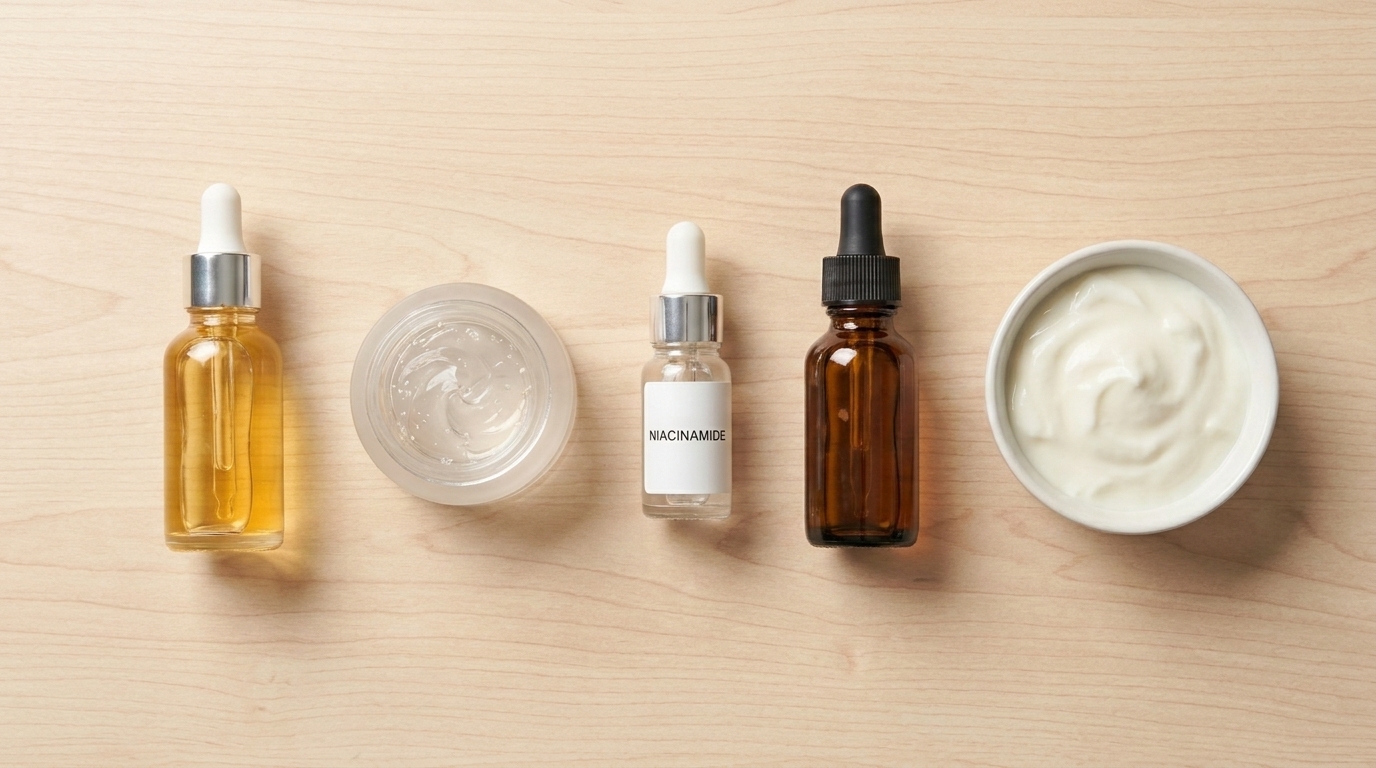
Vitamin C helps to improve skin colour and promotes the production of collagen, as an antioxidant. Use in the morning when wearing sun cream for maximum protection.Retinol and Retinoids
Retinol and prescription-strength retinoids boost cell turnover and diminish the presence of fine lines. Begin at a low concentration 2-3 nights/wk to develop tolerance.Hyaluronic Acid
Hyaluronic acid’s water holding properties are up to 1000 times greater than its own weight, making it one of the best ingredients for hydration. For optimal absorption, apply on wet skin.Niacinamide
Niacinamide is an effective anti-inflammatory, as it helps to decrease redness, visibly tighten pores and boosts skin barrier strength. It can be used in combination with most other active ingredients without irritating effects.Collagen
The collagen protein is responsible for the firmness and structure of the skin, and is a protein that naturally decreases as age will go up. Ingredients such as vitamin C and retinol promote synthesis, however, topical collagen is unable to get to that level.Probiotics
Probiotics maintain skin’s microbiome, which is the skin’s community of bacteria that keeps the skin healthy and free of irritation and infection.Frequently Asked Questions (FAQs)
Q1: How long do home remedies take to show results?
Most natural remedies show visible results within 2 to 4 weeks of consistent use, with hydration-focused ingredients like aloe vera showing effects faster than brightening ingredients like turmeric.Q2: Are home remedies safe for sensitive skin?
Yes, home remedies are generally safe for sensitive skin when diluted properly and patch-tested first, though lemon juice and baking soda carry a higher irritation risk.Q3: Can glowing skin be achieved naturally?
Yes, glowing skin can be achieved naturally through consistent cleansing, hydration, sun protection, and a nutrient-rich diet, though results take longer than professional treatments.Q4: How often should face packs be used?
Face packs work best when used 1 to 2 times per week. Overuse can strip natural oils and irritate the skin barrier.Q5: When should a dermatologist be consulted?
A dermatologist should be consulted if skin concerns persist after 8 to 12 weeks of a consistent routine, or if symptoms include pain, spreading redness, or severe breakouts.Conclusion
It’s all about a daily regimen, the correct components and some good habits for a better looking skin. While beneficial ingredients such as vitamin C and niacinamide combat dullness and dehydration, natural ingredients such as aloe vera and oats complement the effects. Significant change in tone and texture is usually seen after 4-6 weeks of effort.
Author Information
Mahrukh is the founder of BeautyKob and writes practical skincare and haircare guides focused on simple routines, ingredient awareness, and beginner-friendly beauty habits.