
Key Takeaways
- Remove limescale with acid, remove sebum with surfactant, and remove mold with oxidative treatment; the type of buildup dictates the removal method.
- Scrubbing is a thing of the past, vinegar or baking soda may be left on the surface for 10-30 minutes to remove buildup without harming the surface.
- Low surfactant shampoos lead to accumulation of sebum in the scalp — the low-surfactant shampoos cause the sebum to build up on the scalp and, over time, the sebum becomes compressed into a waxy build-up.
- All surfaces are covered by 8 ingredients: white vinegar, baking soda, hydrogen peroxide, borax, tea tree oil, salicylic acid, kaolin clay and activated charcoal.
- Prevention is better than removal: After showers, squeegee; use water-soluble products; clean weekly to prevent buildup from occurring.
Intro
Surface buildup is the accumulation of product, water and skin residue that occurs when regular cleaning doesn’t completely remove it from the surface of glass, faucets, scalp or shower.
Table Of Content
- Key Takeaways
- Intro
- Understanding Buildup: Types and Causes
- What Is Buildup and Why Does It Happen?
- Common Causes of Buildup
- Hard Water and Limescale
- Product Residue (Hair, Skin, and Household)
- Sebum, Dead Skin Cells, and Soap Scum
- Mold and Mildew
- Signs You Have Buildup
- Why Gentle Removal Is Essential
- How to Remove Buildup from Different Surfaces
- General Principles for Effective Removal
- Removing Buildup from Glass and Windows
- Step-by-Step Cleaning Guide for Glass
- Removing Hard Water Stains from Glass
- Removing Buildup from Bathroom Surfaces
- Faucets, Taps, and Fixtures
- Showerheads and Glass Shower Doors
- Tiles, Grout, and Toilets
- Removing Soap Scum and Water Deposits
- Removing Buildup from Hair and Scalp
- The Sebum Crust: How Ultra-Gentle Cleansers Can Cause Waxy Residue
- How to Spot a Sebum Crust: A 4-Step Check-In
- Methods for Scalp Buildup Removal
- Removing Buildup from Skin
- 5 Easy Ways to Remove Built-Up Dirt from Skin
- Removing Buildup from Hard Surfaces (General)
- Ingredients That Help Remove Buildup Safely
- Preventing Future Buildup
- Preventing Hard Water Stains and Limescale
- Use Protective Coatings
- Filter or Soften Your Water
- Regular Light Cleaning
- Preventing Scalp and Hair Buildup
- Choosing Water-Soluble Hair Products
- Optimising Your Haircare Routine Frequency
- Proper Shampooing Techniques
- Managing Hard Water Issues
- Regular Hair Tool Cleaning
- Addressing Specific Conditions
- Dandruff vs. Product Buildup
- Seborrheic Dermatitis and Buildup
- Psoriasis vs. Product Residue
- When to See a Dermatologist
- Frequently Asked Questions
- Q1: How often should I use clarifying shampoo?
- Q2: Can I remove product buildup without washing my hair?
- Q3: What’s the white waxy buildup on my scalp?
- Q4: How long does it take to completely remove scalp buildup?
- Summary
- Author Information
Careful removal with ph-neutral cleaning agents, soft application techniques and by using controlled dwell times removes accumulation without scratching surfaces or impairing the barrier of the skin.
This guide explains all the surface types, 8 of the safest materials to remove and prevent buildup, and how.
Understanding Buildup: Types and Causes
What Is Buildup and Why Does It Happen?
The buildup of a substance or substances on a surface over a period of time that obscures, dulls, or causes damage to the surface underneath. It occurs when the residue from water, product, skin or environmental particles are not properly removed during normal cleaning and accumulate in small amounts, becoming bonded to the surface with each contact and drying.
Common Causes of Buildup
There are 4 main mechanisms of surface accumulation.
Hard Water and Limescale
Hard water is water that contains minerals of calcium (Ca) and magnesium (Mg) that are dissolved. Minerals left behind as limescale when hard water dries on a surface.
Limescale grows on faucets, showerheads, glass shower doors, tiles and any drinking glasses. Limescale can be seen in areas where the water hardness level is more than 200 mg/L (11.7 grains per gallon) within days of cleaning.
Product Residue (Hair, Skin, and Household)
Hair products, skin care creams, cleaning sprays, household chemicals or other products may leave behind residue if they are not completely removed from the surfaces. Masking from silicone based hair products can leave a residue of wax on the shower wall and scalp.
When an oil-based skin care product is used on sinks and bathtubs, a film is left behind. Polymer-containing cleaning products have a tendency to adhere to tile grout and will only get worse with time.
Sebum, Dead Skin Cells, and Soap Scum
The natural oil that the skin produces called sebum mixes with dead skin cells and soap surfactants to create a sebum crust (SC) on the scalp, and soap scum on bathroom surfaces.
Soap scum builds up on glass shower doors, shower walls, and bathtubs. The sebum crust on the scalp creates waxy, smothering residue which clogs the hair follicles and stifles hair growth.
Mold and Mildew
The growth of mold and mildew occurs on surfaces that contain water for a prolonged period, especially tile grout, shower walls and rubber seals. Mold may present as dark stains that look as if they are in the concrete, but can be removed with careful treatment without scrubbing.
Signs You Have Buildup
When there is buildup on a surface there are 6 clear signs.
- Dull or hazy appearance that cannot be removed by normal wiping on glass, tiles or fixtures.
- White, chalky stains on faucets, showerhead or shower doors
- Scalpy, flaky skin which doesn’t clear up with regular shampooing
- Heavy, limp or coated hair that requires frequent shampoos to get rid of.
- Soap streaks on the water ring of the bathtub
- Cement, drain, or washing machine smells that last after cleaning (and does not go away with using the machine)
Why Gentle Removal Is Essential
Here are 5 reasons it’s the right thing to do in soft removal for all surface types.
1. Prevents micro-scratching — abrasive pads and harsh powders leave tiny scratches on the glass, porcelain, and acrylic which trap the next layer of buildup more rapidly and permanently makes surfaces more difficult to clean.
2. Preserves protective coatings — many surfaces have factory coatings, sealants or glazes that are sensitive to abrasive cleaning in a single session, such as delicate ceramic glazes, optical lens coatings and high gloss automotive clear coats.
3. Protects the skin barrier — on skin and scalp, over scrubbing removes the acid mantle and natural oils, which leads to an increased production of sebum, exacerbating the situation they are trying to correct.
4. Maintains surface finish — Antique wood finishes, marble, painted surfaces and leather are sensitive to harsh chemicals and will fade, crack or discolor. Gentle pH neutral solvents remove residue while preserving the patina and surface colour.
5. Reduces chemical exposure — such as the use of strong bleach, high-acid cleaning agents and abrasive chemicals that emit fumes and can leave chemical residue on skin contact surfaces. The gentle non-ionic surfactant solutions are effective with reduced surface and health impacts.
Personal experience: I sprayed my standard bathroom spray on the glass shower door for months. The limescale went away for a while and the glass became increasingly foggy. I spoke to a plumber about the bleach damaging the glass surface.
To a white vinegar solution using a microfiber cloth and 10 minute dwell time. The glass cleared once and remained clear for 3 weeks until it was cleaned again. The gentle approach was quicker and more effective than what I’d been doing for years aggressively.
How to Remove Buildup from Different Surfaces
General Principles for Effective Removal
There are 4 general principles that apply to removing buildup from any surface:
- Apply and wait — allow a cleaning agent to sit on surface for 5-15 minutes before wiping. The enzymatic breakdown or acid dissolution can be accomplished without scrubbing with controlled dwell time.
- Use the softest effective tool — Avoid using a brush unless the soft cloth is not able to remove the buildup, and if you do need to use a brush, use the soft-bristle option.
- Work in sections — clean one surface at a time and do not let the cleaning agent dry on the surface before wiping, leaving behind new residue.
- Rinse completely — any residue from the cleaning agent will be the next accumulation. Cleaning up Glass and Windows of build up.
Removing Buildup from Glass and Windows
Step-by-Step Cleaning Guide for Glass
- Fill a spray bottle half with white vinegar and half with water.
- Spray the Glass
- Surface and allow to sit for 10 minutes
- Use a clean microfiber cloth and clean horizontally with straight strokes.
- Rinse in running water. Dry right away with a second dry microfiber cloth to avoid watermarks.
Removing Hard Water Stains from Glass
Hard water stains on the glass need an acid solution in order to dissolve the calcium deposits. Acetic acid (white vinegar, about 5% solution) will dissolve calcium at a pH of 2.4. Cream of tartar can be used with water to create a paste that will sit on the stain for 15 minutes before wiping away, for heavier deposits.
The commercial hard water stain removers containing phosphoric acid or citric acid will remove stains that vinegar will not shift. Avoid abrasive pads on glass — abrasive pads can cause micro scratches to glass that will make it more susceptible to hard water staining.
Removing Buildup from Bathroom Surfaces
Faucets, Taps, and Fixtures
Wrap a cloth around faucets, taps and fixtures for 20–30 minutes to soak them in white vinegar. Limescale is removed using the capillary action wicking; the vinegar is absorbed into the mineral deposit and then it breaks the bond with the surface. Wipe away with a soft cloth. Dry fixture immediately after rinsing to avoid water marks on chrome fixtures.
Showerheads and Glass Shower Doors
Place a plastic bag over the showerhead, rubber band it with white vinegar inside for 30-60 mins. The vinegar is able to break down mineral deposits that clog the nozzles.
If the glass shower door has soap scum spots, apply a baking soda and dish soap solution to the built-up spots, let sit for 10 minutes and then use a soft damp cloth to wipe. After every shower thoroughly rinse and dry with a squeegee to avoid further accumulation.
Tiles, Grout, and Toilets
Use a baking soda paste on grout lines and clean using a soft bristle toothbrush. Baking soda is a mild alkali (pH 8.3) that will not harm tile glaze while removing soap scum and mildew from grout.
To clean the toilet, fill the bowl with 240 ml (8 fl oz) of white vinegar and leave it overnight and scrub with a toilet brush. To clean mold and mildew on tile grout, use hydrogen peroxide (3%) to kill the mould cells and dissolve the mould cell walls.
Removing Soap Scum and Water Deposits
The calcium ions in hard water combine with the fatty acids in soap to produce soap scum. Bathtub, sink and shower wall soap scum is removed by a solution of borax and warm water – 1 tablespoon (15 g) of borax per 500 ml (17 fl oz) of water. Apply using a sponge, leave for 5 minutes, then wipe away.
Clean chrome fixtures and remove soap scum water deposits by gently rubbing with a soft cloth and using non-gel, white toothpaste to gently rub the fixtures and rinse.
Removing Buildup from Hair and Scalp
The Sebum Crust: How Ultra-Gentle Cleansers Can Cause Waxy Residue
Low surfactant (or ultra-gentle cleansers (UGC)) are formulas that claim to be gentle or moisturizing, and will not completely remove sebum from the scalp during each use.
As time goes on, sebum builds up between washes and creates a waxy suffocating layer known as sebum crust which covers the opening of the hair follicles, blocking sebum drainage. The UGC cycle results in roots that get oily without being washed but the cleansing agent is not potent enough to remove the sebum layer.
How to Spot a Sebum Crust: A 4-Step Check-In
- Part the hair and look for the scalp under proper lighting, a SC will look like a yellowish or white waxy film on the skin of the scalp next to the hair root.
- Feel the scalp with a fingernail — SC will rise as a soft, slightly greasy scale that is different from dry dandruff scales
- Check the fragrance of the scalp 24 hours after shampooing — Both SC and regular shampoo smell different, and the scent of SC will not be removed 24 hours after shampooing.
- Examine the volume of the hair at its base — Affected hair appears limp and flat, and is unresponsive to volumizing shampoos, conditioners or sprays.
Methods for Scalp Buildup Removal
Clarifying Shampoo Treatment
Clarifying shampoo contains higher concentrations of surfactants than daily shampoos and removes product residue, sebum buildup, and mineral deposits in one wash. Use clarifying shampoo once every 1–4 weeks depending on product use frequency. Apply to wet hair, massage into the scalp for 2–3 minutes, and rinse thoroughly.
Apple Cider Vinegar Rinse
The apple cider vinegar (ACV) rinse will remove the mineral buildup from hard water as well as bring the scalp back to a natural pH level after using alkaline products. Mix 2–4 tablespoons (30–60 ml) of ACV with 240 ml (8 fl oz) of water. After shampooing, pour over the scalp, massage for 1 – 2 minutes and rinse with cool water. Use once per week.
Baking Soda Paste
The baking soda paste can be used to eliminate hard to remove products and excess oil from the scalp. Add 1 tablespoon (15 g) of baking soda to water to make a paste.
Apply directly to the scalp and massage a few minutes in a circular motion, then rinse. Apply once a month, do not use more than this — baking soda is alkaline (pH 8.3) and will counteract the acid mantle (pH 4.5 – 5.5) of the scalp if used too often.
Scalp Exfoliation Techniques
Scalp exfoliation is a process that gently buffs away dead skin cells and any product residue by either physical or chemical means. Physical (scalp) exfoliation is performed with a soft-bristle scalp brush on the scalp for 3–5 minutes prior to shampooing.
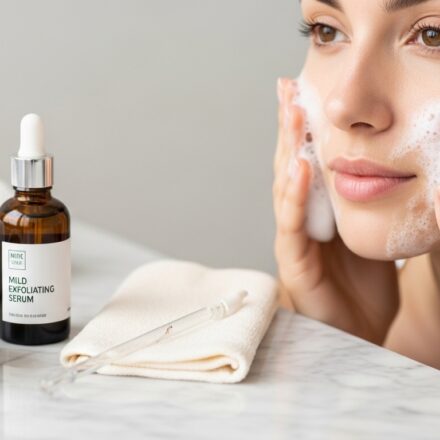
Chemical scalp exfoliation involves salicylic acid (BHA) or glycolic acid (AHA) scalp serums directly applied to the scalp and left on for 5–10 minutes prior to rinsing. Chemical exfoliation only scratches the surface of the scalp, whereas physical scrubbing will cut into it.
Double Cleansing Method
2-Cleans, or double cleansing method (DCM) is a technique that involves applying two successive cleansing steps per wash. The first application cleans the surface of any oil in the product and product residue. Applying the second time will reach deeper and clear the follicles.
DCM is great for heavily producted scalps, especially if you use a dry shampoo, styling wax or scalp serums daily.
Professional Scalp Treatments
There are several professional scalp treatments such as scalp steaming, deep cleansing with ultrasonic devices and exfoliation by dermatologist-approved solutions. Scalp steaming opens up the follicles prior to treatment for effective penetration by cleaning agents.
Treatment by a dermatologist will focus on the accumulation of sebum that is more severe and cannot be completely cleared by home remedies, as well as seborrheic dermatitis (SD) and buildup caused by psoriasis.
Removing Buildup from Skin
5 Easy Ways to Remove Built-Up Dirt from Skin
Use a Gentle Cleanser
Gentle cleanser will take away surface dirt, excess sebum and light product residue without disturbing the acid mantle of the skin. Cleansers from CeraVe, Cetaphil and La Roche-Posay are all pH-balanced and effective at cleansing without stripping.
Combines the exfoliation action of glycolic acid and the surfactant action of gentle soap to gently exfoliate to remove deeper buildup, yet preserving barrier integrity.
Try an Enzymatic Cleanser
Proteolytic enzymes (such as papain from papaya and bromelain from pineapple) break down the bonds between dead skin cells by decomposition (enzymatic breakdown). Apply to dry skin and rinse after 1-2 minutes. The mildest type of chemical exfoliation for sensitive skin types is enzymatic cleaners.
Put on a Clay Mask
The effect of a clay mask on the face is an adsorption effect that removes excess sebum, product residue and environmental pollutants from the face. Apply a thin layer of the kaolin or bentonite clay mask, let it sit for 10-12 minutes until it is partially dry, but not dry enough, so as not to over-dry the mask; rinse it off with lukewarm water; Apply once a week onto oily or combination skin, once fortnightly to dry or sensitive skin.
Use Clarifying Pads
Clarifying pads soaked in salicylic acid, glycolic acid or witch hazel will remove surface buildup in one step. Use one pad to wipe clean the skin in outward circles to eliminate dead skin cells, excess oils and make-up residue. Only use at night as chemical exfoliation makes the skin more sensitive to UV.
Multi-Product Kits
Multi product Skin Detox Kits such as CeraVe Exfoliating Treatment and Combination Skins from Neutrogena and others offer a three step skin detoxification process: cleanse, scrub and treat. These kits were designed to be used weekly, not daily, and use a mixture of physical and chemical exfoliation following a sequential protocol.
Always Finish with a Moisturizer
Use a moisturizer immediately after exfoliating or clarifying treatment (within 60 seconds). Removal of buildup opens up the skin surface to the temporary gain of increased transepidermal water loss (TEWL).
Moisturizers containing ceramide like CeraVe or La Roche-Posay, seal the barrier and reduce the dehydration responsible for the overproduction of sebum as part of a compensation mechanism.
Removing Buildup from Hard Surfaces (General)
The 15 types of hard surfaces that each call for an appropriate method of buildup removal are: acrylic, ceramic, cork, fiberglass, glass, leather, marble, metal, painted surfaces, plastic, porcelain, resilient flooring, vitreous china, wallpaper and wood.
The 3 rules for all hard surfaces: use the weakest solution that will work, test on an inconspicuous spot first before using, and thoroughly rinse after treatment. Only pH neutral cleaners should be used on marble as acids will permanently damage marble. Wood needs to be dried with dry or slightly moistened cloths, otherwise the wood grain will be warped and stained by excess moisture. After any leather cleaning product, leather needs a leather conditioner to prevent cracking.
Ingredients That Help Remove Buildup Safely
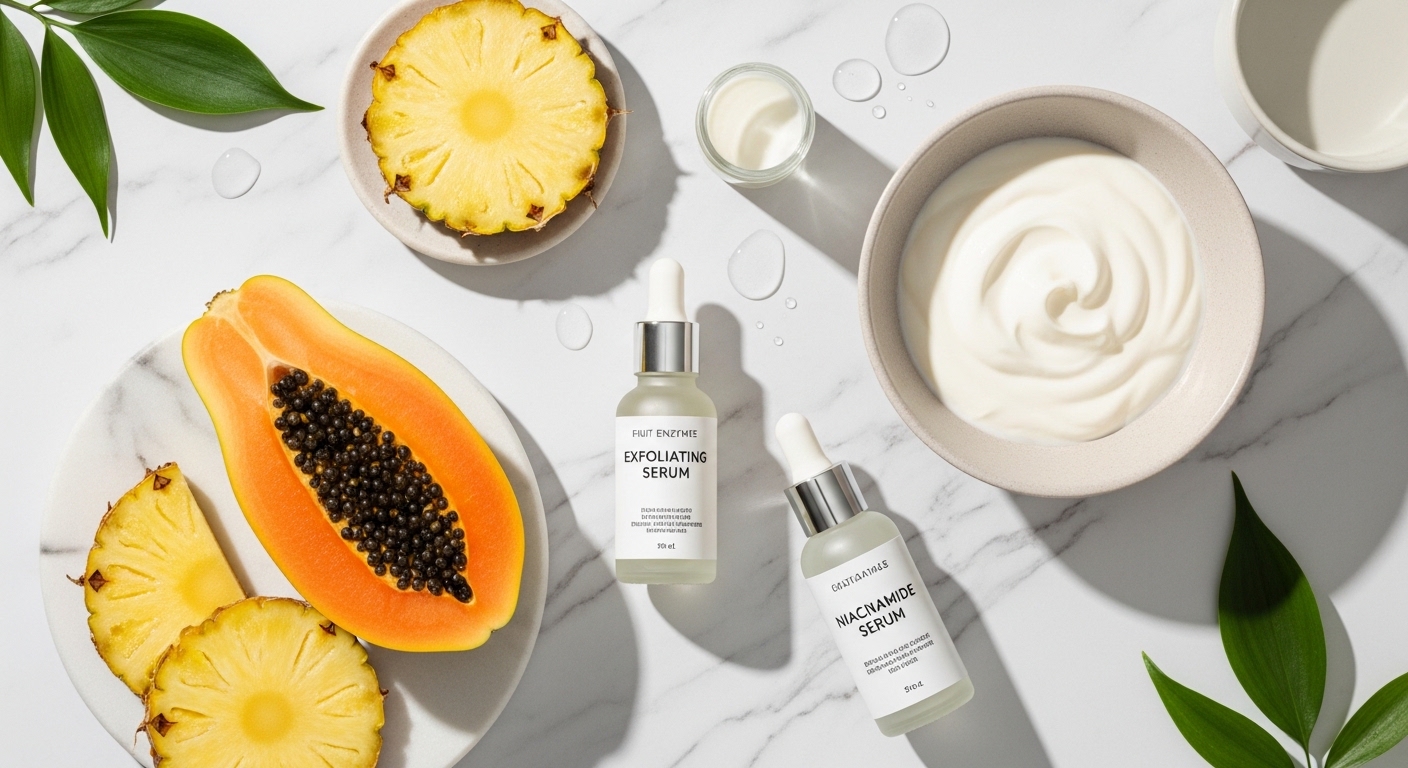
8 ingredients which safely remove buildup from skin, scalp and household surfaces.
1. White vinegar (acetic acid, 5%) — dissolves Calcium-based limescale and mineral deposits on glass, fixtures and scalp without damage to the surface. When diluted it is safe for most non-porous surfaces and the scalp.
2. Baking soda (sodium bicarbonate, pH 8.3) — slightly abrasive and alkaline, it will dissolve soap scum and oil residue. Safe for use on bathroom surfaces, scalp (monthly maximum) and grout.
3. Hydrogen peroxide (3% concentration) —breaks down mold and mildew by oxidation on grout and tile. Safe on ceramic/porcelain at 3% concentration; not to be applied on coloured grout.
4. Borax — is used to scrub away the soap scum and prevent mold from growing on bath surfaces. Dilute in warm water according to the instructions: 1 tablespoon (15 g) for 500 ml (17 fl oz).
5. Tea tree oil — helps eliminate yeast, bacteria growth on the scalp and removes sebum. Use a carrier oil to dilute down to 2-3% for application to the scalp.
6. Salicylic acid (BHA) — exfoliates within the pores and openings of the follicles (or holes) on the surface of the skin and scalp. For consumer grade products, 0.5–2% is effective.
7. Kaolin clay — absorbs excess sebum and product residue from skin and scalp without stripping skin oils. Appropriate for various skin types at up to 2 times per week.
8. Activated charcoal — is an inert material that has electrostatic pull for product residue, pollutants and toxins. Used in surface cleaning wipes, face masks and scalp shampoos.
Personal experience: One thing I have found that works for me personally, I had just been using dry shampoo for so many years that my scalp had become very oily and I had to take a very harsh scrub every week for many years. My scalp began to get itchy and to flake, a symptom I interpreted as being dandruff.
It was confirmed by a dermatologist that it was caused by over-exfoliation. The weekly diluted ACV rinse and the monthly clarifying shampoo removed the buildup in 3 weeks, and eliminated the irritation altogether. The gentle ingredient was as effective as the harsh scrubry was unsuccessful.
| Ingredient | Best For | How to Use | Frequency |
|---|---|---|---|
| White Vinegar (5% acetic acid) | Limescale on glass, fixtures, scalp | 1:1 with water, 10–30 min dwell | Weekly |
| Baking Soda (pH 8.3) | Soap scum, grout, scalp oil | Paste with water, 5–15 min | Monthly (scalp), weekly (surfaces) |
| Hydrogen Peroxide (3%) | Mold and mildew on grout and tile | Apply directly, 10 min dwell | As needed |
| Borax | Soap scum on bathtubs and sinks | 15g per 500ml warm water | Weekly |
| Tea Tree Oil | Sebum and yeast on scalp | 5 drops in 30ml carrier oil | Weekly |
| Salicylic Acid (BHA) | Skin pores and scalp follicles | 0.5–2% serum, 5–10 min | 2–3x per week |
| Kaolin Clay | Excess sebum on skin and scalp | Mixed with water, 10–15 min | Up to 2x per week |
| Activated Charcoal | Product residue and pollutants | Added to shampoo or face mask | Weekly |
Preventing Future Buildup
Preventing Hard Water Stains and Limescale
Use Protective Coatings
Spray glass shower doors, tiles and fixtures with a hydrophobic (water-repellent) protective coating after cleaning. These coatings prevent water from “rolling off” the surface of the coating instead of drying and causing mineral deposits. Apply every 3–6 months depending on water hardness, usage, etc.
Filter or Soften Your Water
To lower the calcium and magnesium levels in water supply water softener (WWS) must be installed, to less than 50 mg/L water. A WWS will keep limescale buildup from occurring on any water-contacted surface in the residence. At the tap or showerhead, point-of-use filters lower mineral content at the point of use, as compared to a whole-house system, which would be more expensive to install.
Regular Light Cleaning
Use a squeegee to dry any glass shower doors and tiles right after every shower. This is one habit that takes water away from minerals before they dry and bind to the surface. Soft hard water deposits by spraying with a diluted vinegar solution weekly, to avoid needing to heavily treat the water.
Preventing Scalp and Hair Buildup
Choosing Water-Soluble Hair Products
Water soluble hair products are completely water soluble and will wash out using water only, not shampoos or conditioners. If the concentration of the surfactant in the shampoo is not high enough, non-water soluble products (silicone-based conditioners, petroleum based pomades and heavy waxes) may not be completely removed by water-only shampoos and will build up with each wash.
Optimising Your Haircare Routine Frequency
The frequency of washing will depend on the amount of sebum that is released and also the amount of dryness that is caused in the scalp. For most types of scalp, 2–4 washes per week is the greatest frequency. Less frequent washing allows products and sebum to build up in a sebum crust.
Excessive washing more than once a day depletes the scalp of its natural oils, leading to the production of excess sebum to compensate and causing an increase in oil production.
Proper Shampooing Techniques
Shampoo the scalp not the hair length. Use fingertips and NOT fingernails to massage in circular motions for 60-90 seconds before rinsing. The second shampooing is required after using heavy styling products. Rinse with warm water for 60 seconds or more to remove all residual surfactant.
Managing Hard Water Issues
Apply a Mineral Filter to the scalp. Rinse each hair wash with cool water — cool water seals the hair cuticle and minimizes mineral contact with the hair shaft. Once a month use an ACV rinse to remove hardened deposits from the scalp and hair caused by hard water.
Regular Hair Tool Cleaning
Wash hair brushes, combs and hair styling tools every week to get rid of sebum accumulation, dead skin cells and hair product buildup.
A buildup coated brush will reapply the product to clean hair every time it is used, increasing the residue build up between washes. Brushes are treated by soaking in warm water for 10 minutes with a few drops of clarifying shampoo, followed by rinsing.
| Condition | Flake Type | Location | Smell | Treatment |
|---|---|---|---|---|
| Dandruff | Dry, white, falls freely | Scalp only | No odor | Zinc pyrithione or ketoconazole shampoo |
| Sebum Crust | Waxy, yellow-white, stays attached | Scalp, near hair root | Oily, slightly sour | Clarifying shampoo + ACV rinse + salicylic acid |
| Seborrheic Dermatitis | Oily, yellow flakes | Scalp, eyebrows, sides of nose | Mild odor | Antifungal shampoo + buildup removal |
| Psoriasis | Thick, silvery-white scale | Scalp, beyond hairline onto forehead | No odor | Dermatologist-prescribed topical treatment |
Addressing Specific Conditions
Dandruff vs. Product Buildup
Dandruff is dry and white flakes that fall off the scalp and is linked to yeast Malassezia. As products build up, the scales get larger, thick and yellowish-white, sticking to the scalp or hair shaft and not flaking easily. Zinc pyrithione or ketoconazole-containing shampoos are effective against dandruff.
Clarifying shampoo and ACV rinses do the magic to remove product buildup. If antifungal shampoo does not help with product buildup, it’s an indicator that it’s buildup, not dandruff.
Seborrheic Dermatitis and Buildup
Seborrheic dermatitis is an inflammatory reaction to overgrowth of Malassezia yeast which results in oily, yellowish flakes on the scalp, eyebrows and sides of the nose.
The buildup of products aggravates SD as the sebum deposited can stimulate the growth of Malassezia. Only treating antifungal and not regular buildup removal will give only half of the result when it comes to treating SD.
Psoriasis vs. Product Residue
Psoriasis causes a thick, silvery-appearing rash on the scalp which spreads beyond the hairline to the forehead and neck. The hairline is not clearly defined and there is product residue in the hairline.
Scale is thicker and stickier than product residue and cannot be removed with a clarifying shampoo. Psoriasis is diagnosed by visual examination, and specific topical medications are prescribed by a dermatologist.
When to See a Dermatologist
Consult your dermatologist if your scalp buildup causes three or more of the following symptoms for more than 4 weeks: Persistent itchy scalp not helped by clarifying treatment, noticeable inflammation or redness at the scalp, hair loss or thinning at the area of buildup, flaking away from the scalp.
A dermatologist is able to tell the difference between SD, psoriasis, contact dermatitis and fungal infections, which all have differing treatment options.
Frequently Asked Questions
Q1: How often should I use clarifying shampoo?
Use clarifying shampoo once every 1–4 weeks depending on product use frequency. Heavy product users — dry shampoo, wax, or hairspray daily — need clarifying shampoo every 1–2 weeks. Minimal product users need clarifying shampoo monthly.
Q2: Can I remove product buildup without washing my hair?
Yes, product buildup removal without washing is possible using a dry scalp scrub or a pre-wash scalp serum with salicylic acid. Apply the serum directly to the scalp, leave for 10–15 minutes, then follow with a standard shampoo wash. The pre-treatment loosens buildup before washing for more thorough removal.
Q3: What’s the white waxy buildup on my scalp?
The white waxy buildup on the scalp is a sebum crust — compressed layers of sebum, dead skin cells, and product residue that accumulate when the scalp is not fully cleansed between washes. A clarifying shampoo followed by a salicylic acid scalp treatment removes a sebum crust within 2–4 wash sessions.
Q4: How long does it take to completely remove scalp buildup?
Complete scalp buildup removal takes 2–6 weeks of consistent treatment. Light buildup clears in 2 wash sessions. Moderate buildup from months of ultra-gentle cleanser use takes 3–4 weeks. Severe sebum crust buildup requires 6 weeks of weekly clarifying treatment combined with monthly professional scalp treatment.
Summary
Hard water minerals, product residue, dead skin cells and sebum, and mold are all causes of buildup on glass, bathroom fixtures, scalp, and skin.
With proper dwell time and rinsing, gentle removal will dissolve accumulation without harming the surface, using white vinegar, baking soda, ACV rinses, clarifying shampoos and clay masks.
Consistent light cleaning, product selection using water-soluble products and water softening help prevent buildup from returning after each cleaning session.
Author Information
Mahrukh is the founder of BeautyKob and writes practical skincare and haircare guides focused on simple routines, ingredient awareness, and beginner-friendly beauty habits.