
Key Takeaways
- The main reason for dull texture is dead skin cells — you’ll begin to see improvements in your texture after 2-4 weeks of exfoliating 2-3 times a week with either AHA or BHA.
- The best combination of serums for long term texture improvement is a combination of vitamins C and retinol, the latter is applied in the evening while the first is applied in the morning.
- Low iron and hypothyroidism are medical problems that give a dull appearance to the skin that no skin care product can correct – this is one of the first tests a GP will do.
- A 100% invisible treatment for the same day, A HydraFacial is the best single treatment for instantly getting a textured refreshed look.
- More skin change in 28 days with consistency than with product switching weekly, one skin cycle of the same product will yield more visible results.
Intro
Tired and dull skin texture occurs when dead skin cells build up on the skin’s surface, moisture levels decrease, and cell turnover slows down, leaving your skin flat, rough and grey, no matter how much rest you get.
Table Of Content
- Key Takeaways
- Intro
- What is Dull Skin?
- Signs of Dull Skin
- Common Causes of Dull and Tired Skin
- Dehydration and Lack of Moisture
- Buildup of Dead Skin Cells
- Environmental Stressors (Sun Exposure, Pollution, Air Conditioning)
- Lifestyle Factors (Lack of Sleep, Tobacco Use, Poor Diet, Busy Schedules)
- Aging and Loss of Elasticity
- Poor Skincare Habits (Not Removing Makeup, Harsh Products)
- Medical Reasons
- How to Brighten and Rejuvenate Dull Skin
- Cleanse Gently, Twice Daily
- Exfoliate Regularly (Chemical or Gentle Physical Exfoliation)
- Hydrate and Moisturize Daily
- Use Targeted Serums (Vitamin C, Retinoids, Hyaluronic Acid)
- Incorporate Face Masks for Extra Glow
- Protect with Daily Sunscreen (SPF)
- Key Ingredients to Boost Radiance
- Vitamin C
- Retinoids
- Hyaluronic Acid
- Niacinamide
- AHA/BHA Exfoliants
- Quick Ways to Revive Your Skin
- Lifestyle and Dietary Changes
- Increase Water Intake
- Eat Antioxidant-Rich Foods
- Prioritize Sleep and Stress Management
- Avoid Smoking and Excessive Alcohol
- Professional Treatments for Enhanced Texture
- Chemical Peels
- Microneedling
- Laser Resurfacing
- HydraFacial
- Dermal Fillers and Polynucleotides
- Makeup Tips for Instant Radiance
- Use a Blurring Primer
- Choose the Right Foundation Formula
- Apply in Thin Layers with a Damp Sponge
- Set Strategically and Finish with Setting Spray
- Preventing Dull Skin
- Build a Consistent Skincare Routine
- Avoid Harsh or Stripping Ingredients
- Protect Skin from Sun and Environmental Damage
- Maintain a Healthy Lifestyle
- Frequently Asked Questions
- Q1: What is the Difference Between Dull Skin and Dehydrated Skin?
- Q2: How Often Should I Exfoliate?
- Q3: Can Face Masks Replace Moisturizers?
- Q4: What Foods Improve Skin Radiance?
- Q5: How Soon Will I See Results from a Brightening Routine?
- Summary
- Author Information
Aging skin often develops a dull, lifeless texture that dulls the radiance of the skin, causing the overall appearance to fade. The key ingredients to rejuvenate the texture of aging skin include vitamin C, exfoliating AHA, retinoids and hyaluronic acid, along with daily care routines such as a regimen of sun protection, cleansing and lifestyle habits, as well as targeted ingredients, which work to brighten and restore radiance to the skin from the inside and out.
It details all causes, ingredients, treatments and prevention steps all the way from a 5 minute cool down to professional level HydraFacials and laser resurfacing treatments.
What is Dull Skin?
Dull skin is skin that is not shiny, flat or grey, and has an irregular or rough finish that results from dead skin cells, dehydration or a slowing in the production of new skin cells. A dull skin is not a medical condition but rather a visible skin state which varies depending on the skin care routines, lifestyle and exposure to the environment.
In the outer layer of skin – the stratum corneum (SC) – dead keratinocytes pile up faster than they are shed, so the surface of the skin becomes thick and uneven, with a direct consequence of less surface light reflection, and hence the flat and tired appearance.
Signs of Dull Skin
- Lack of natural skin radiance, which is flat, grey or yellowish in color tone.
- Surface texture that is rough or irregular, and feels bumpy under fingertips
- Pores on nose and cheeks that are enlarged or clogged and visible throughout the nose and cheeks
- Finer lines than usual that are more noticeable
- Lack of vigor to the skin, whether after a good night’s sleep or after drinking fluids.
- Facial pigmentation or discolouration in patches
- Foundations which fail to level within hours of use in texture lines
Common Causes of Dull and Tired Skin
Dehydration and Lack of Moisture
A lack of moisture causes skin to not reflect the light evenly, giving it a sunken appearance. The transepidermal water loss (TEWL) of the skin amounts to about 300-400ml (10-14 fl oz) per day, and this rises with cold weather, low humidity and air conditioning. When skin is dry, fine lines are more visible and the skin is less plump and appears dull and lifeless.
Buildup of Dead Skin Cells
The skin naturally exfoliates dead skin cells every 28-40 days, but as the skin ages, becomes stressed, and poor skin care habits are practiced, the skin slows down its natural exfoliation. Dead keratinocytes do not get shed from the stratum corneum, and this makes the surface of the skin thick, rough and uneven.
This accumulation acts as a barrier to active ingredients and diminishes the natural light-reflecting properties of the skin, which are counteracted by exfoliation.
Environmental Stressors (Sun Exposure, Pollution, Air Conditioning)
The sun’s ultraviolet (UV) light can degrade collagen and elastin, produce free radicals, and promote the production of melanin leading to irregular pigmentation.
Air pollution particles, especially PM2.5, penetrate the skin barrier and cause an oxidative stress which promotes cell damage and dulling. AC causes skin to dry out and increases TEWL, resulting in a dry and smooth-feeling skin in just a few hours.
Lifestyle Factors (Lack of Sleep, Tobacco Use, Poor Diet, Busy Schedules)
Without adequate sleep, cortisol control is impaired and the skin repair process takes longer during the night, resulting in noticeable puffiness, skin tone changes and fine lines. Nicotine causes narrowing of the blood vessels which deprives the skin cells of oxygen and gives smokers the gray, dull appearance of their skin.
Glycation, the process of the sugar molecules being bonded to skin’s collagen, is caused by a low antioxidant diet and high consumption of processed sugar, which can make skin stiffer and less naturally luminous.
Aging and Loss of Elasticity
Starting around the age of 25, collagen production begins to drop by some 1% each year. Collagen and elastin fibers break down, causing fine lines, loose skin and loss of a smooth surface to the skin.
As we get older, our fibroblasts (the cells responsible for collagen production) slow down in their production of new collagen, and need to be stimulated in specific ways, through retinoids and professional skin care products, to keep them active enough to produce new skin.
Poor Skincare Habits (Not Removing Makeup, Harsh Products)
Doing this prevents pores opening up at night, leads to no skin repair while you’re sleeping, and leads to an increase of congestion on the skin surface which can directly affect the skin texture in the morning. Sulfate-rich cleansers remove the skin’s acid mantle (AM) which protects it with a pH between 4.5 and 5.5, leading to dehydration, redness and rough texture.
Without SPF, the skin is able to accumulate the sun’s UV rays every day, which gradually causes the skin to lose its tone over time, typically weeks.
Medical Reasons
Hypothyroidism (low thyroid hormone activity slows down the turnover of skin cells), iron deficiency anaemia (low oxygen reaches the skin cells) and eczema or contact dermatitis (chronic disruption of the barrier causes a rough, uneven skin texture) are 3 medical conditions that can cause dull skin. If the skin is dull and won’t improve, a dermatologist can determine medical causes by taking blood tests and performing a skin evaluation.
My personal experience: The skin was always dry and grey for 3 months, even with a good skin care regime. Low iron stores (ferritin) was identified as a finding in a GP blood test. Grayness disappeared after 8 weeks of iron, and no changes in skin care products. In many instances, the texture of the skin is more influenced by lifestyle and medical issues than by skin care products.
How to Brighten and Rejuvenate Dull Skin
Cleanse Gently, Twice Daily
Wash face twice a day with a non-soap, pH-balanced facial cleanser. The Olay Detox & Glow Daily Cleanser will eliminate the surface impurities without disturbing the acid mantle. The SPF is removed, along with pollution, makeup and sebum, by evening cleansing.
Sweat and sebum are removed in the morning for the application of the active ingredient. Excessive washing (more than 2 times a day) will dry out, or weaken, the skin barrier, making the skin look drier and duller.
Exfoliate Regularly (Chemical or Gentle Physical Exfoliation)
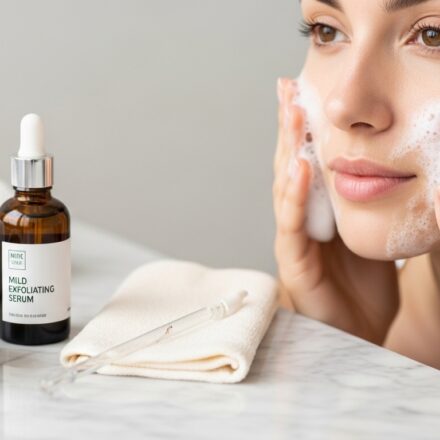
Use a chemical exfoliant (alpha hydroxy acid [AHA] or beta hydroxy acid [BHA]) and exfoliate 2 – 3 times a week. AHA exfoliants, such as glycolic acids and lactic acids, break the links between the dead keratinocytes on the skin’s surface and so accelerate their removal.
Salicylic acid and other BHA exfoliants work their way deep into pores to unclog them. The Olay Regenerist Overnight Face Mask is an overnight exfoliating mask with AHA; acts as a leave-on exfoliator to help achieve smoother skin the following morning.
If you have non-sensitive skin, then physical exfoliants, such as the Garnier Whole Blends Resurfacing Mask + Facial Exfoliants, can be used up to once a week.
Hydrate and Moisturize Daily
Moisturize daily (morning and night) to lock in moisture and minimize TEWL. The Olay Regenerist Whip Day Face Cream SPF30 is a lightweight, all-in-one moisturizing sunscreen that provides sun protection.
If your skin is dehydrated, apply a HA serum under the moisturizer: HA will pull water from the environment into the skin and will hydrate the tissues, causing the surface to swell up and fine lines to dissipate within hours of its application.
Use Targeted Serums (Vitamin C, Retinoids, Hyaluronic Acid)
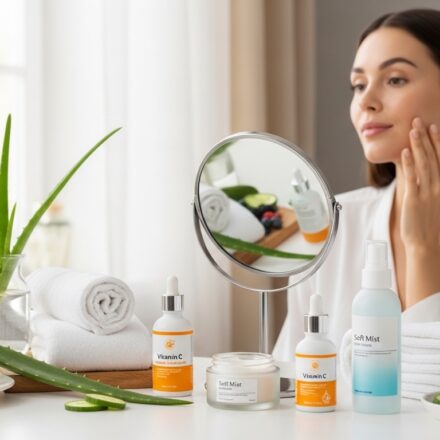
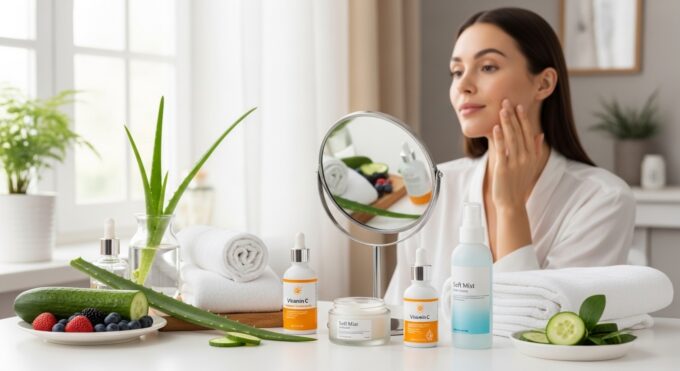
Use serums following a wash and before moisturizing. Apply the Olay Vitamin C Serum for Face in the morning – Vitamin C neutralizes free radicals that are produced by UV rays, brightens hyper pigmentation and promotes collagen production.
Use Olay Super Sérum Night Repair 30ml at night; it contains retinol, niacinamide and peptides which work to boost overnight cell turnover and repair damage that has occurred during the day. Use thinnest to thickest consistency of serums for the most absorption.
Incorporate Face Masks for Extra Glow
Use a brightening/hydrating face mask once a week for intensive treatment. The Dead Sea Mud Mask sucks dirt into pores and releases minerals to enhance skin’s texture. When used as a 15-minute cooling mask, aloe vera gel helps to decrease inflammation, smooth rough texture and condition dehydration skin cells on the surface.
Apply the Olay Regenerist Overnight Face Mask as a sleeping mask — as the last step before retiring to bed at night and rinse off in the morning.
Protect with Daily Sunscreen (SPF)
Use a broad-spectrum sunscreen with SPF 30 or greater as a last step in your skin care routine in the morning. UV exposure is the #1 external contributor to premature aging, collagen breakdown and pigmentation, which reduces the luster of skin. Olay Regenerist Whip Day Face Cream SPF30 is a multi-functional cream that hydrates and protects the skin from the sun in one. Apply SPF every 2 hours when in direct sunlight – just one application will not last the whole day.
| Step | Action | AM or PM | Product Example |
|---|---|---|---|
| 1 | Gentle Cleanse | AM + PM | Olay Detox & Glow Daily Cleanser |
| 2 | Chemical Exfoliant | PM (2–3x/week) | AHA or BHA toner / Olay Regenerist Overnight Mask |
| 3 | Hyaluronic Acid Serum | AM + PM (damp skin) | L’Oréal Revitalift Filler 1.5% HA Serum |
| 4 | Vitamin C Serum | AM only | Olay Vitamin C Serum for Face |
| 5 | Retinol Serum | PM only | Olay Super Sérum Night Repair 30ml |
| 6 | Moisturizer | AM + PM | Olay Regenerist Whip Day Cream SPF30 |
| 7 | Eye Cream | AM + PM | Olay Ultimate Eye Cream |
| 8 | SPF 30+ | AM (final step) | Olay Regenerist Whip SPF30 or standalone SPF |
| 9 | Weekly Face Mask | Once per week (PM) | Dead Sea Mud Mask or Olay Regenerist Overnight Mask |
Key Ingredients to Boost Radiance
Vitamin C
Vitamin C (ascorbic acid) is able to lighten the skin tone, diminish hyperpigmentation and promote collagen production when applied topically at concentrations of 10–20%. Combinations of Vitamin C with ferulic acid are more stable and effective.
The Olay Vitamin C Day Cream Face Moisturiser is formulated to contain vitamin C in a stable form, ideal for daily use. Results can be seen in 3–4 weeks after regular application in the morning.
Retinoids
Niacinamide (vitamin B3) helps to minimize the appearance of pores, improve skin tone, improve the ability of the skin barrier and decrease surface redness at 4 – 10% concentrations. Niacinamide works well with vitamin C and with retinol — it helps to prevent the irritating effects of retinol and to prevent vitamin C from being oxidized in combination products.
Dr. Shani Francis recommends niacinamide as one of the most important ingredients to help patients with sensitive or reactive skin types get better skin texture with tired skin.
Hyaluronic Acid
Niacinamide
At 4-10% Niacinamide (vitamin B3) diminishes the appearance of skin pores, evens the tone, improves skin barrier function and decreases skin surface redness. Niacinamide is a great partner of vitamin C and retinol; it helps to buffer against the irritation caused by retinol and helps to keep vitamin C in a combined formula.
Dr. Shani Francis says niacinamide is one of the key ingredients to use in anyone with sensitive or reactive skin when looking for a remedy to obtain smoother skin after experiencing tired skin.
AHA/BHA Exfoliants
The AHA exfoliants (glycolic acid, lactic acid) act on the skin surface, BHA exfoliants (salicylic acid) act within the pores. For surface texture, uneven toned and for fine lines use AHA. Apply BHA if you have congested, oily, or acne-prone skin, to combat buildup at the pores and add shine. Alternate nights to use either AHA or BHA for thorough exfoliation without over exfoliation.
Quick Ways to Revive Your Skin
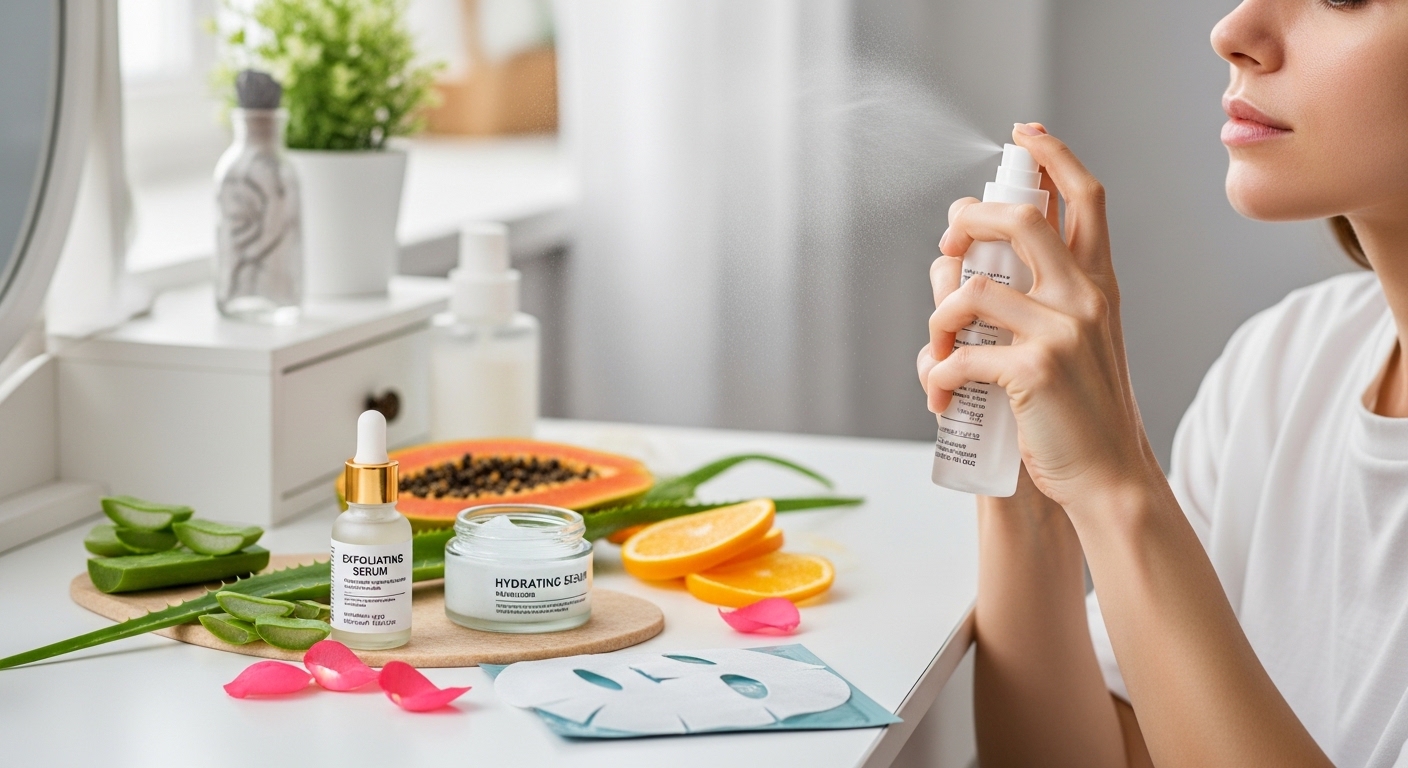
1. Cold water splash — Splashing face with cold water (30 seconds) causes temporary constriction of blood vessels, reduces puffiness and creates immediate brightening effect due to increased surface circulation after the blood vessels open.
2. Chilled jade roller or ice globe — Use a chilled facial rolling tool to apply it on the skin for 3-5 minutes to soften the skin, drain away fluid stagnation, and depuff under eye areas, all of which help to flatten the skin.
3. Sheet mask — A sheet mask that gives you concentrated serum right to the surface, resulting in instant plumping and brightening. Keep sheet masks in the refrigerator for an additional cooling effect.
4. Facial misting — apply a face mist with a face misting machine that contains rose water or glycerin to the face midway through the day to rejuvenate your skin from air conditioning drying and provide instant moisture to the surface without harming your make-up.
5. Gua sha facial massage — This 5-minute facial massage with gua sha will stimulate the flow of blood, release tension from the face, and bring oxygenated blood to the surface of the skin, visible radiance in just a few minutes.
6. Brightening eye cream application — Application of the Olay Ultimate Eye Cream with gentle tap makes eye area skin looks brighter and reduces dark circles and fine lines around the eyes, which is the first area of the skin which shows that the skin is exhausted even if the rest of the face looks healthy.
Personal experience: I began keeping a sheet mask in my fridge and putting it on every Sunday evening! It was right away obvious that the difference between Monday morning skin (after a week of screen time and not drinking enough water) to the days I don’t wear the mask was significant. I could see the difference in the look of my skin when I used the cold mask the night before as opposed to using the greyish mask on Mondays. It became my one quick thing to add to my regime.
Lifestyle and Dietary Changes
Increase Water Intake
Ensure the hydration of skin from the inside out by drinking 8-10 glasses of water a day (2-2.5 liters or 68-85 fl oz). As with TEWL, products applied to the skin can’t replace drinking water, and when a person’s body is dehydrated, it manifests in skin that looks the same as it does when the skin is losing water through trans-epidermal water loss.
Herbal teas and foods that are high in water, such as cucumber, watermelon and celery, help keep you hydrated.
Eat Antioxidant-Rich Foods
The high antioxidant content of the diet helps protect skin from damage caused by free radicals over time which dulls its texture.
The 6 top antioxidant food groups that will help you achieve radiant skin are: Berries (vitamin C and anthocyanins), Leafy Greens (chlorophyll and vitamin K), Orange and Yellow Vegetables (beta-carotene), Fatty Fish (omega-3 fatty acids and astaxanthin), Green Tea (EGCG polyphenols), and Dark Chocolate (flavonoids with 70%+ cocoa). Limit processed sugar intake to less than 25g (0.9oz) per day, as it can cause collagen stiffening.
Prioritize Sleep and Stress Management
Collagen production and cell turnover is highest between 10 PM and 2 AM, which is the time of peak skin cell repair when growth hormone is at its peak. You can notice a difference in the brightness and texture of your skin within 2 weeks after getting 7-9 hours of sleep each night.
Chronic stress increases cortisol, which breaks down collagen, causes an increase in oil production and reduces skin renewal. Yoga, breathing exercises and progressive muscle relaxation lower levels of cortisol in just one session and have a positive impact on the skin after 4 to 8 weeks of regular use.
Avoid Smoking and Excessive Alcohol
Smoking decreases the oxygenation of the skin, which causes the grey and dull complexion and wrinkles that are typical of smoker’s skin. Alcohol causes dehydration in the skin tissue, poor sleep quality and inflammation — all three of which directly impact the appearance of tired skin.
The visible improvement in skin is within 30 days of reducing alcohol intake to less than 14 units a week (approx 112 g of pure alcohol).
Professional Treatments for Enhanced Texture
Chemical Peels
Microneedling
Microneedling is a method that utilizes a device with fine needles (usually 0.5-2.5 mm (0.02-0.10 in)) that create controlled micro-injuries in the dermis, resulting in increased collagen and elastin production. In 3-6 microneedling treatments every 4-6 weeks, skin texture, pore size and the depth of fine lines is measurably improved. The outcome of a microneedling course lasts for 12 – 18 months with SPF maintenance.
Laser Resurfacing
Laser resurfacing involves a laser beam which is used to take away the top layer of skin and stimulate further growth of collagen underneath. The ablative laser resurfacing type of lasers (CO2 and erbium) yields the greatest texture improvement and downtime of 7–14 days.
Non-ablative laser treatments such as Fraxel can help improve skin texture with little downtime, and 3-5 treatments are required for similar results. The laser resurfacing technique is the most dramatic one treatment improvement that you can get by laser for severely dull or damaged skin texture.
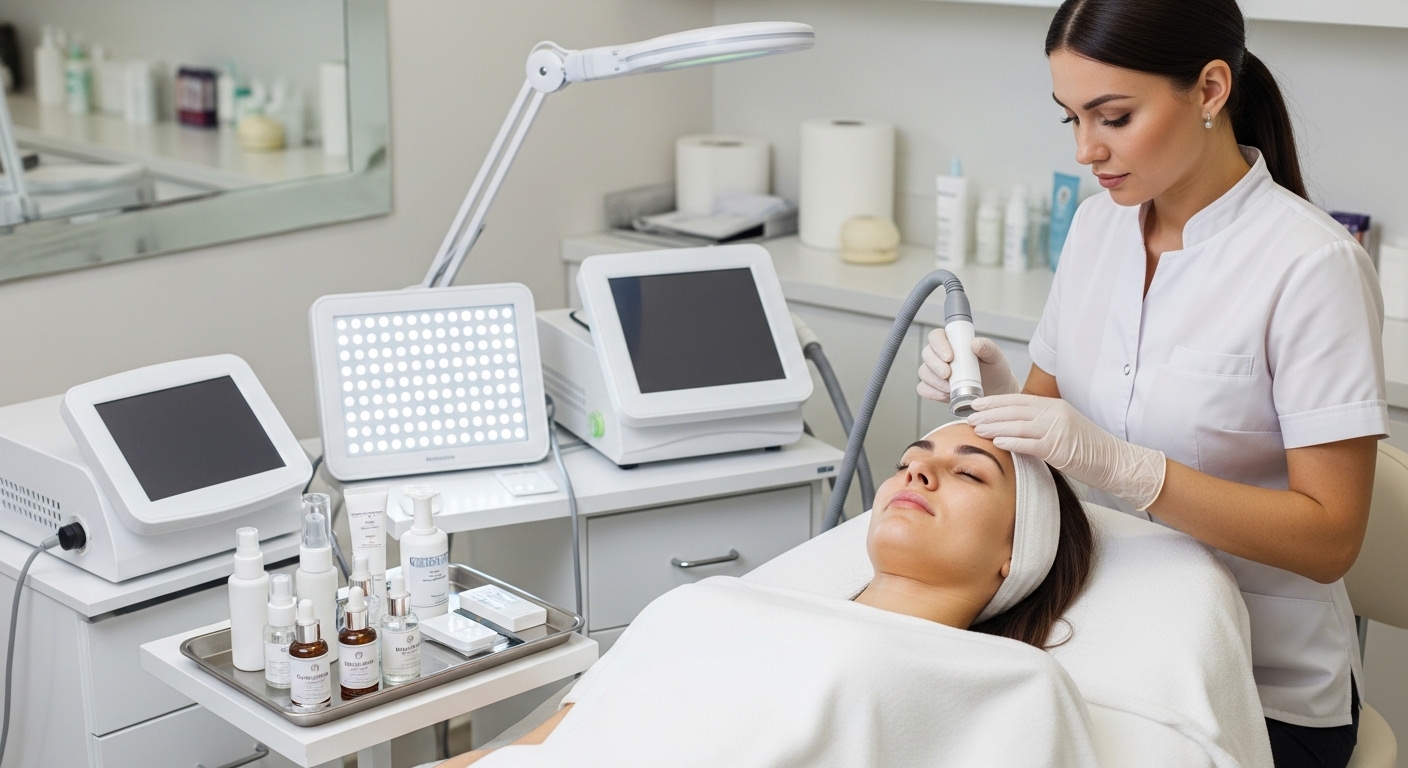
HydraFacial
HydraFacial treatment is a combination of 4 steps in a single treatment, which includes cleansing, exfoliation and extraction, and serum application via a vortex suction device. As a result of the immediate visible results of the HydraFacial, there is no downtime, and the facial is currently the most popular medical facial available for those wanting results-on-the-day days.
Clinics in Manchester, NH and around the world charge about $150-$300 (£120 – £240) for each HydraFacial treatment and the effects can last for 4-6 weeks, which must be repeated every month.
Dermal Fillers and Polynucleotides
Dermal Fillers can help to plump up the cheeks, temples and under eye area and counter the sunken tired look that is not corrected by skin texture treatments. Polynucleotides (PN) such as HarmonyCa cause an increase in the production of collagen and water from inside the dermis, and improve hydration for up to 8 weeks after treatment.
Polynucleotide treatments are one of the fastest-growing professional treatments for dull skin texture in over-35 patients, according to Dr. Barbara Sturm and the Dailish Skincare Editorial Team.
Personal experience: I had a HydraFacial prior to a family gathering, which occurred after 2 weeks of poor sleep and lots of screen time. To be honest, I noticed that in 24 hours my skin looked a bit brighter, smoother, pores were smaller, and even though I applied the foundation, it was applied so evenly. I had never gotten this effect from any at-home treatment. One professional session was enough to make a difference for a special occasion.
Makeup Tips for Instant Radiance
Use a Blurring Primer
Use a silicone blurring primer, after moisturizer and before foundation. Primers that can be blurred can temporarily fill fine lines and pores and thus prepare a smoother surface for the application of foundation. This is the quickest single-step remedy to get a refined effect in the texture of tired skin, when the skin care routine hasn’t yet worked its magic on the skin.
Choose the Right Foundation Formula
If the main concern is skin texture, then a serum foundation or skin tint will be a better option than full coverage matte foundation. Thick, dull bases lay down on irregular surfaces and highlight the irregularities of the skin.
The serum foundations used with a Beautyblender damp sponge, penetrate into the skin, rather than remaining on top, and give a natural finish that minimizes the contrast between the skin’s texture.
Apply in Thin Layers with a Damp Sponge
Put on foundation in thin layers with a wet Beauty Blender and press it on, don’t wipe. One thin layer will blend in with the skin more naturally than one thick layer. Increase the amount of coverage slowly, only adding a second layer to areas that require it such as the under-eyes, around the nose and redness areas.
Set Strategically and Finish with Setting Spray
Only use translucent setting powder with a powder puff on T-zone and/or specific problem areas. Do not apply powder over textured skin, since powder will accentuate the texture of the skin.
Apply a setting spray to the whole face and finish with a hydrating spray to help blend foundation into skin and set with a natural, non-powdery finish to dull-looking tired skin.
Preventing Dull Skin
Build a Consistent Skincare Routine
A regular skin care regimen – the same time, the same sequence, done daily – provides noticeable improvement in skin texture in one full cycle of cell growth, 28 days.
Active ingredient application must be consistent in order to have consistent results. Vitamin C, retinoids and AHA exfoliants are substances which the skin needs to be exposed to on a daily basis, and not once in a while.
Avoid Harsh or Stripping Ingredients
Eliminate products that contain sulfates, high concentration alcohol and synthetic fragrance from daily use. These ingredients dry out the acid mantle, raise TEWL and cause inflammation that can directly cause skin texture to deteriorate over time. Use pH-balanced, unscented products such as Olay, CeraVe and Neutrogena with active ingredients that help retain barrier integrity.
Protect Skin from Sun and Environmental Damage
Use a sun protection factor of at least 30 every day — overcast days and winter months when the sun is not out are exempt — except when out in the water, as these are covered by different codes.Apply sunscreen with at least SPF 30 every day — water, water, water; overcast days and winter months when the sun is not out are exempt — covered by other codes. Use protective clothing and sunglasses for long periods of time outdoors.
Apply antioxidant serum ( vitamin C during the day, niacinamide at night) to counteract the free radicals caused by pollution.Apply antioxidants – vitamin C in the morning and niacinamide at night – that can neutralize free radicals created by pollution.
Maintain a Healthy Lifestyle
Get 7-9 hours of sleep each night, drink 2-2.5 liters (68-85 fl oz) of water every day, consume antioxidant-rich whole foods, and practice regular exercise and relaxation. These 4 lifestyle factors all create skin texture changes that a topical product cannot do alone — the skin is as much a reflection of internal health, as it is a reflection of topical health.
Frequently Asked Questions
Q1: What is the Difference Between Dull Skin and Dehydrated Skin?
Dull skin lacks brightness and has an uneven texture caused by dead cell accumulation, aging, or lifestyle factors. Dehydrated skin lacks water content and feels tight, appears sunken, and shows exaggerated fine lines.
Dull skin and dehydrated skin frequently occur together — dehydration worsens the flat, grey appearance of dull skin — but each has a distinct cause. Dull skin responds to exfoliation and brightening ingredients. Dehydrated skin responds to HA, increased water intake, and TEWL-reducing moisturizers.
Q2: How Often Should I Exfoliate?
Exfoliate 2–3 times per week using a chemical exfoliant (AHA or BHA). Sensitive skin types exfoliate once per week maximum. Physical exfoliation — scrubs and resurfacing masks — applies once per week for non-sensitive skin. Over-exfoliation strips the acid mantle and produces increased sensitivity, redness, and paradoxically worsened skin texture within 2 weeks.
Q3: Can Face Masks Replace Moisturizers?
No, face masks do not replace moisturizers. Face masks deliver concentrated active ingredients in a short treatment window — 10–20 minutes — but do not provide the sustained TEWL barrier that a daily moisturizer creates over 24 hours. Use face masks as a weekly treatment addition to, not a replacement for, daily moisturizer application.
Q4: What Foods Improve Skin Radiance?
The 5 food categories that most directly improve skin radiance are: berries (vitamin C and anthocyanins that reduce oxidative dullness), fatty fish (omega-3 that reduces inflammation and maintains moisture barrier), leafy greens (chlorophyll and vitamin K), orange vegetables (beta-carotene that converts to vitamin A for cell turnover), and green tea (EGCG polyphenols that protect collagen from UV and pollution damage).
Q5: How Soon Will I See Results from a Brightening Routine?
Visible results from a brightening skincare routine appear at 3 time points: immediate improvement from hydration and primer within hours, surface texture improvement from consistent exfoliation within 2–4 weeks, and deeper pigmentation and fine line improvement from vitamin C and retinoids within 8–12 weeks of daily use.
Professional treatments including HydraFacial and chemical peels produce visible results within 3–7 days of a single session.
Summary
Author Information
Mahrukh is the founder of BeautyKob and writes practical skincare and haircare guides focused on simple routines, ingredient awareness, and beginner-friendly beauty habits.