

A 2015 sleep study found something surprising: people who slept poorly showed nearly double the visible aging markers of good sleepers, and their skin barrier recovered 30% slower after damage. That single stat says more about long-term beauty than most 10-step routines do — because maintenance isn’t about what you apply, it’s about what you protect.
Table Of Content
- Key Takeaways
- What Long-Term Beauty Maintenance Actually Means
- Maintenance vs. Correction
- Why Realistic Expectations Matter
- Building a Daily Foundation That Doesn’t Wear Skin Down
- Gentle Cleansing Over Frequent Cleansing
- Moisturizing as Barrier Maintenance, Not Luxury
- Daily Sun Protection, Not Just Beach-Day Protection
- Weekly and Monthly Care Without Overdoing It
- Exfoliation in Moderation
- Scalp and Hair Maintenance
- Comparison: Long-Term Maintenance Habits by Impact and Effort
- Nutrition, Sleep, and Stress: The Habits Products Can’t Replace
- Sleep Is a Repair Window, Not a Cliché
- Nutrition Supports What Skincare Can’t Reach
- Stress Management Isn’t Separate From Skincare
- Adjusting for Age and Season Without Overhauling Everything
- Age-Related Adjustments
- Seasonal Adjustments
- What Quietly Damages Long-Term Results
- Frequently Asked Questions
- The Bottom Line
Key Takeaways
- Long-term beauty results come from consistency over months, not intensity over days — most visible improvement takes 8 to 12 weeks of steady habits to show up.
- Over-cleansing, over-exfoliating, and frequent product-switching damage the skin barrier faster than they improve it, even when each individual step seems reasonable.
- Sleep quality directly affects visible skin aging: chronically poor sleepers show measurably higher signs of intrinsic aging and slower barrier recovery than good sleepers.
- A routine only survives long-term if it’s simple enough to repeat without willpower — three or four steady steps beat twelve inconsistent ones.
- Skin needs change with age and season, so a “long term” routine still requires small seasonal and age-based adjustments rather than a single fixed plan.
What Long-Term Beauty Maintenance Actually Means
Most beauty routines are built to fix a problem after it shows up. Long-term maintenance works differently — it’s designed to reduce how much damage accumulates in the first place.
Maintenance vs. Correction
Correction reacts to visible problems: dark spots, breakouts, dullness. Maintenance works earlier, aiming to slow the accumulation of the damage that causes those problems. According to the American Academy of Dermatology’s guidance on daily skin care habits, consistent gentle cleansing and daily sun protection do more for long-term skin health than aggressive or occasional treatments.
Why Realistic Expectations Matter
Skin and hair change on a biological timeline, not a marketing one. A 2024 study on facial skincare routine adherence, published in the journal Cureus, noted that most people who increase their skincare attention during a given period still don’t consult a professional before changing their regimen — which often means trial-and-error with products that were never suited to their skin in the first place.
Building a Daily Foundation That Doesn’t Wear Skin Down
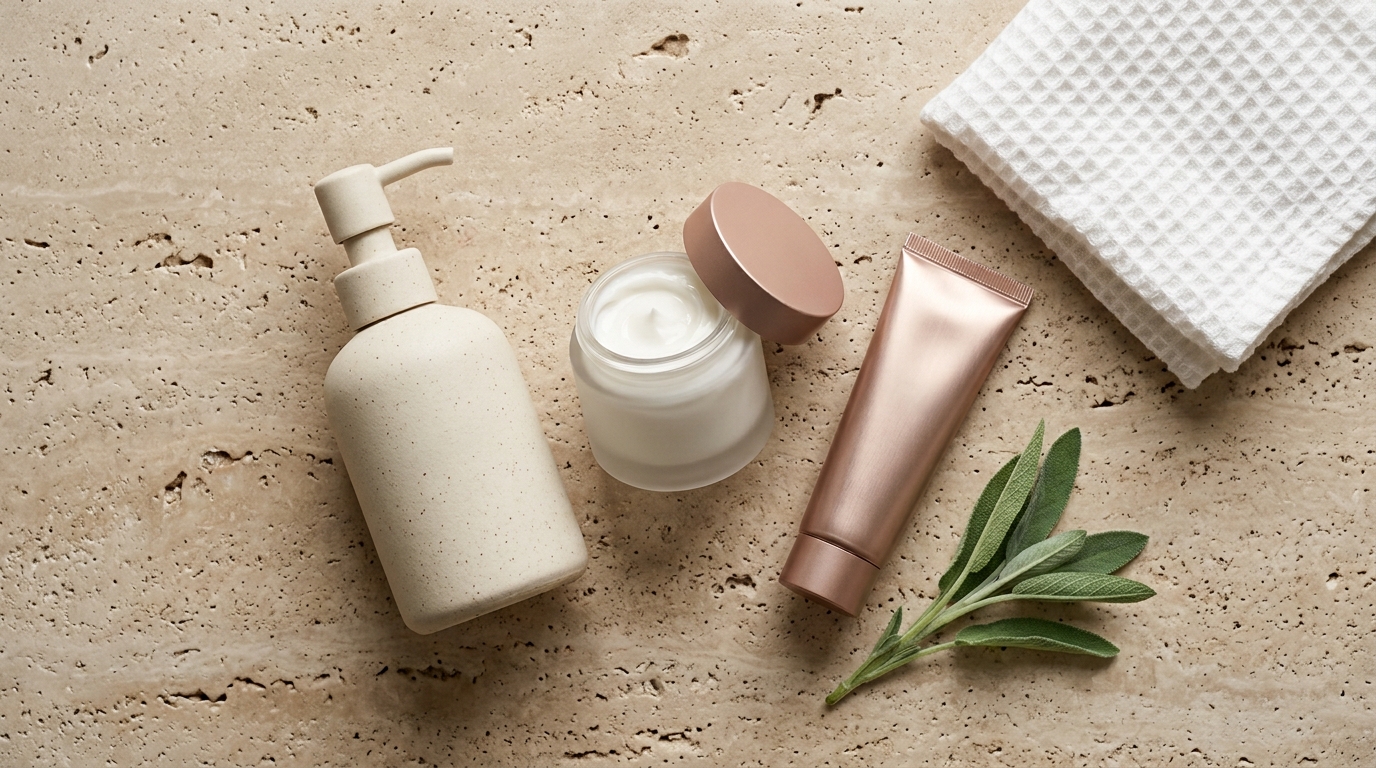
The habits that matter most for long-term beauty are the plainest ones — cleansing, moisturizing, and sun protection, done consistently rather than intensely.
Gentle Cleansing Over Frequent Cleansing
Washing more often doesn’t equal cleaner skin. Harsh or overly frequent cleansing strips the skin’s natural barrier, which shows up over time as dryness, sensitivity, and faster-appearing signs of aging. A gentle cleanser used twice daily, morning and evening, is the standard most dermatology guidance converges on.
Pro Tip: If your skin feels tight immediately after cleansing, that’s a sign the product — not your skin — needs to change.
Moisturizing as Barrier Maintenance, Not Luxury
Moisture loss happens daily from sun, wind, indoor heating, and air conditioning, regardless of skin type. Ceramide-based moisturizers are commonly recommended for this because ceramides are the lipids that naturally hold skin cells together; according to Paula’s Choice’s ingredient dictionary entry on Ceramide NP, the ingredient helps strengthen the skin’s barrier while improving suppleness and hydration. Even oily skin benefits from a lightweight version of this step — skipping it tends to trigger more oil production, not less.
Daily Sun Protection, Not Just Beach-Day Protection
Most visible premature aging isn’t caused by dramatic sun exposure — it’s caused by the accumulated, unprotected exposure of everyday walks, commutes, and time near windows. Sunscreen protects the results of every other step in a routine; without it, treatments and moisturizers are working against a source of damage that never stops.
Weekly and Monthly Care Without Overdoing It
Extra care has a place in long-term maintenance — the key is using it sparingly enough that it supports the skin barrier instead of wearing it down.
Exfoliation in Moderation
Exfoliation removes dead skin cells and can visibly improve texture, but doing it too often or too aggressively damages the barrier faster than it improves tone. Most people don’t need more than one or two gentle exfoliating sessions per week; if skin feels raw or tight afterward, that’s a sign to scale back, not push through.
Pro Tip: Chemical exfoliants (AHAs, BHAs) are generally gentler on the barrier over time than physical scrubs, which can create micro-tears with repeated use.
Scalp and Hair Maintenance
A balanced scalp — not over-washed, not under-washed — supports stronger hair growth over time. Regular conditioning and reduced heat styling protect hair structure the same way sunscreen protects skin: by preventing cumulative damage rather than repairing it after the fact.
Comparison: Long-Term Maintenance Habits by Impact and Effort
| Habit | Time Investment | Barrier Impact if Overdone | Best Frequency | Best For |
|---|---|---|---|---|
| Gentle cleansing | 1–2 minutes, 2x daily | Low risk even if repeated | Morning and night | All skin types |
| Daily moisturizer | Under 1 minute, 2x daily | Very low risk | Morning and night | All skin types, especially dry/mature |
| Daily sunscreen (SPF 30+) | 1 minute, reapply every 2 hrs outdoors | None — protective only | Every day, rain or shine | All skin types |
| Chemical exfoliation | 5–10 minutes | High risk if used more than 2–3x/week | 1–2x weekly | Normal, oily, combination skin |
| Hydrating mask | 10–15 minutes | Low-to-moderate if overused | 1x weekly | Dry, dehydrated, dull skin |
Nutrition, Sleep, and Stress: The Habits Products Can’t Replace
No topical product fully compensates for what’s happening internally.
Sleep Is a Repair Window, Not a Cliché
This isn’t just conventional wisdom. A 2015 clinical study published in Clinical and Experimental Dermatology compared chronic poor sleepers against good sleepers and found that poor sleep quality was associated with measurably increased signs of intrinsic skin aging and diminished barrier function — along with lower self-reported satisfaction with appearance. Most repair, including collagen-related activity, happens during deep sleep, which means a skincare routine can only do so much if sleep is consistently short or disrupted.
Nutrition Supports What Skincare Can’t Reach
A diet that includes enough protein, healthy fats, and micronutrients like vitamin C, vitamin E, zinc, and selenium gives skin the raw materials it needs to repair itself. Restrictive or extreme diets tend to show short-term cosmetic effects at best, and can weaken skin and hair resilience over the longer term.
Stress Management Isn’t Separate From Skincare
Chronic stress affects skin function at a hormonal level, which is part of why stress-related breakouts, dullness, and sensitivity are common complaints. Basic stress-reduction habits — consistent sleep timing, regular movement, realistic routines — support skin in ways no single product can substitute for.
Adjusting for Age and Season Without Overhauling Everything
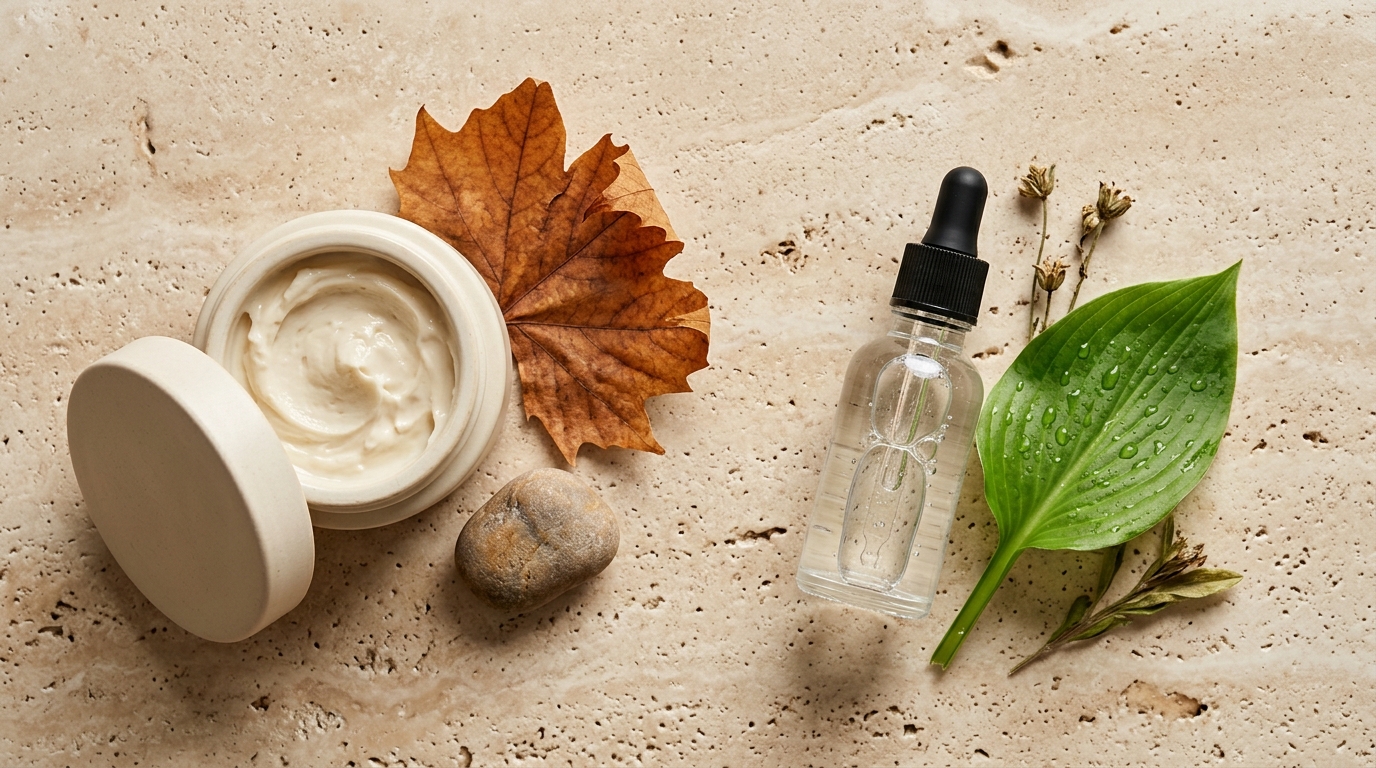
A “long-term” routine still needs small, gradual adjustments — the mistake is treating every life stage or season as a reason to start over completely.
Age-Related Adjustments
As skin ages, oil production and cell turnover naturally slow while moisture loss increases. This usually calls for added hydration and barrier support rather than a completely different routine — dramatic overhauls in response to aging tend to cause more irritation than benefit.
Seasonal Adjustments
Cold, dry air pulls moisture from skin, which typically calls for richer moisturizers and gentler cleansing in winter months. Hot, humid weather increases oil and sweat production, which often calls for lighter textures and continued (or increased) sun protection. Small seasonal shifts prevent the damage-and-repair cycle that comes from ignoring the weather entirely.
What Quietly Damages Long-Term Results
Some habits look harmless day to day but compound into visible damage over months or years.
Frequent product switching keeps skin in a constant state of adjustment, which tends to show up as irritation, sensitivity, or a dull, uneven texture rather than improvement. Aggressive treatments — over-exfoliating, using multiple strong actives at once, skipping recovery time — weaken the skin barrier faster than most people realize until the damage is already visible.
It’s also worth noting that under U.S. law, FDA guidance on cosmetics labeling claims prohibits marketing a cosmetic with language suggesting it can “regenerate cells” or otherwise alter the body’s structure or function — claims that strong would actually classify the product as a drug requiring separate approval, which is a useful filter for spotting overhyped product marketing.
Frequently Asked Questions
How long does it take to see results from a long term beauty routine?
Small, incremental changes are often visible within a few weeks, but more noticeable and lasting results typically take 8 to 12 weeks of consistent daily habits. Skin operates on a renewal cycle of roughly 28 to 45 days depending on age, which is part of why patience matters more than product-switching.
Can I maintain healthy skin without using a lot of products?
Simple routines built around gentle cleansing, daily moisturizing, and daily sun protection are frequently associated with better long-term outcomes than elaborate, product-heavy routines. Dermatology guidance generally emphasizes that four core steps done consistently outperform ten steps done inconsistently.
Does sleep really affect how your skin looks over time?
A 2015 clinical study found chronic poor sleepers showed nearly double the signs of intrinsic skin aging compared to good sleepers, along with slower skin barrier recovery. Since most skin repair activity happens during deep sleep, consistently short or disrupted sleep limits how much a topical routine alone can accomplish.
Why does over-exfoliating make skin worse instead of better?
Exfoliating more than the recommended 1 to 2 times weekly for most skin types can strip the skin barrier faster than it regenerates, leading to redness, sensitivity, and uneven texture. Chemical exfoliants like AHAs and BHAs are generally gentler than physical scrubs when overuse does occur.
Is it normal for a skincare routine to need changes with age or season?
Small adjustments — added hydration in winter, lighter textures in summer, more barrier support with age — are a normal part of long-term maintenance rather than a sign the original routine failed. Dramatic overhauls tend to cause more irritation than the gradual shifts most dermatologists recommend.
The Bottom Line
Long-term beauty maintenance isn’t a more advanced version of a 10-step routine — it’s closer to the opposite. The habits with the strongest evidence behind them are the plainest: gentle cleansing, daily moisturizing, daily sunscreen, moderate exfoliation, and enough sleep to let overnight repair actually happen. Skip any of those in favor of something trendier, and the visible cost usually shows up months later, not the next morning.