

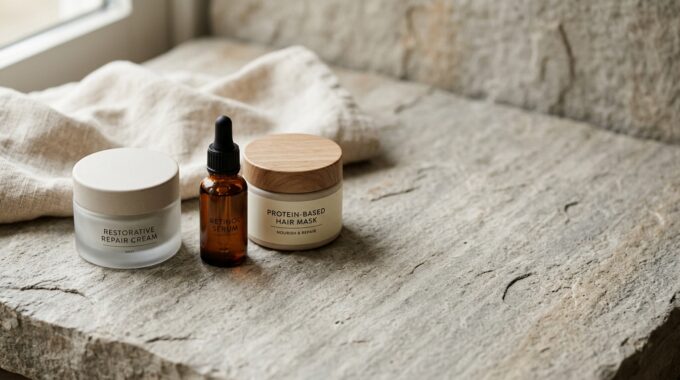
If you wake up to skin that feels tired or your hair looks brittle, it’s not likely a single night — it’s likely months or years of sun, pollution, stress, and product use. Hi, I’m Alex, and having seen a lot of products and what works for skin and hair versus what is just on the surface for a short time, the truth is there isn’t a magic pill for quick recovery. There is the same routine, and your body knows how to repair it.
Table Of Content
- Key Takeaways
- Understanding What’s Actually Causing the Damage
- A Quick Self-Assessment
- Morning Routine: Protection First
- Cleansing to Start Clean
- Hydration and Antioxidant Protection
- Sunscreen Isn’t Optional
- Evening Routine: Where Repair Actually Happens
- Removing the Day’s Buildup
- Exfoliation and Cell Renewal
- Targeted Repair Ingredients
- Locking In Moisture Before Bed
- Weekly and Monthly Treatments
- Face Masks for Deeper Recovery
- Deeper Exfoliation as a Recovery Tool
- Weekly Hair Strengthening
- Scalp Care Supports Hair From the Root
- When Damage Needs More Than a Weekly Routine
- Collagen and Repair-Focused Treatments
- Treating Scarring and Pigmentation Specifically
- Salon-Level Hair Treatments
- Comparison: Weekly Recovery Treatments
- Nutrition and Hydration Support Recovery From the Inside
- Protein and Key Vitamins
- Healthy Fats and Antioxidant-Rich Foods
- Staying Hydrated
- Lifestyle Factors That Support or Undermine Recovery
- Sleep Quality
- Managing Stress
- Exercise and Circulation
- Habits Worth Cutting Back
- FAQs
- Q: How often should a skin and hair damage recovery routine be followed?
- Q: Can damaged skin and hair actually be repaired?
- Q: How do I add retinol or vitamin C to my routine without irritation?
- Q: Do lifestyle habits really affect skin and hair recovery?
- Q: How long does it take to see results from a recovery routine?
- The Bottom Line
Key Takeaways
- Determining if damage is caused by sun exposure, harsh products, or lifestyle will alter the type of fixes that will actually help.
- Morning routines are primarily about protection, not repair — cleansing, light hydration, and sunscreen.
- Repair work is done primarily at night, when skin cells are replaced and hair recovers.
- Using masks, deep exfoliation, and hair conditioning once a week helps fill gaps that daily products can’t fully address.
- Sleep, stress management, and nutrition affect recovery speed as much as any product applied topically.
Understanding What’s Actually Causing the Damage
The first step in repairing damage to skin or hair is figuring out what’s really causing it, since the repair differs depending on the source. Sun exposure causes sunburn, pigmentation, and skin and hair aging over time, while pollution brings oxidative stress that can dehydrate both. On top of that, harsh weather conditions — extreme wind, cold — impose mechanical stress alongside moisture stress.
Lifestyle habits play a real role too. Chronic stress, poor sleep, an unbalanced diet, and dehydration all disrupt normal repair processes, and skin or hair that’s already nutrient-deprived tends to show damage faster and heal more slowly. On top of that, much of the damage is self-inflicted through product use — over-exfoliating, harsh cleansers, and frequent heat styling can all strip away the protective barrier skin and hair need to heal.
A Quick Self-Assessment
It helps to actually look at your skin and hair before building a routine, rather than guessing. Dryness, roughness, fine lines, breakage, and split ends each point toward different priorities.
Oily, dry, combination, and sensitive skin all respond differently to both damage and recovery — oily skin under stress often clogs or shows enlarged pores, dry skin tends to flake and look dull, and sensitive skin reacts to harsh ingredients with redness or irritation.
Hair varies the same way: fine hair tends to snap under stress, while thicker hair is more likely to frizz or dry out. Matching the routine to what your skin and hair are actually showing, rather than a generic plan, makes a real difference.
Morning Routine: Protection First
Mornings are mostly about protecting skin and hair from further damage, not repairing what’s already there — that work happens overnight.
Cleansing to Start Clean
A light cleanser in the morning clears sweat and oil that built up overnight without stripping the skin’s natural oils, which is a common mistake with harsh foaming cleansers. Clean skin also absorbs serums and moisturizers more effectively, which matters more when skin is already compromised.
For sensitive or irritated skin, a hydrating cleanser with aloe vera, chamomile, or glycerin can calm irritation while still clearing away overnight residue. On hair, a mild shampoo or simply a water rinse on non-wash days removes excess oil without over-stripping.
Hydration and Antioxidant Protection
After cleansing, a light antioxidant serum helps neutralize free radicals from pollution and UV exposure before they can do damage. Ingredients like green tea extract, vitamin C, or niacinamide are commonly used for this, since vitamin C in particular is well suited to morning use — it works as a secondary layer of defense against the UV and pollution exposure skin faces during the day, on top of sunscreen.
A lightweight leave-in conditioner or hair serum can offer similar protection for hair against daily friction and environmental stress. Moisturizing matters here too, even for oily skin — skipping it can trigger the skin to overproduce oil to compensate. Choosing the right texture for your skin type (richer creams for dry skin, gel formulas for oily skin, lighter hydrators for sensitive skin) keeps this step useful rather than counterproductive.
Sunscreen Isn’t Optional
Sunscreen is arguably the single most important step for skin that’s already damaged, since UV exposure breaks down collagen and actively works against whatever repair happened overnight. A broad-spectrum sunscreen belongs in the routine every morning, cloud cover or indoor lighting included, since UV rays pass through windows and clouds more than people expect.
UV-protective hair sprays exist for similar reasons, particularly for color-treated or already-damaged hair that’s more prone to further breakage from sun exposure.
Pro Tip: If you’re using vitamin C in the morning, apply it after cleansing and before sunscreen — it works best as a middle layer, not the final step.
Evening Routine: Where Repair Actually Happens
If mornings are about defense, evenings are about repair — skin and hair regeneration is genuinely more active during sleep, which is why the nighttime routine tends to matter more for actual recovery.
Removing the Day’s Buildup
Removing makeup, sunscreen, and accumulated dirt is the necessary first step, since pores clogged by residue interfere with everything applied afterward. A gentle cleanser that clears thoroughly without stripping the skin barrier works better here than a harsh one, even for oily or acne-prone skin.
For hair, whether to wash at night depends on hair type and how the day went — a scalp-friendly cleanse removes buildup without over-drying hair that’s already fragile.
Exfoliation and Cell Renewal
Dead skin cell buildup leaves the complexion looking dull and blocks repair treatments from penetrating effectively, which is where exfoliation earns its place. Mild chemical exfoliants — lactic or glycolic acid — are generally gentler on already-damaged skin than physical scrubs, which can create micro-tears that make things worse.
Exfoliating once or twice a week is typically enough to support cell turnover and improve how well serums and moisturizers absorb afterward. More than that risks irritation or added dryness rather than faster results.
Targeted Repair Ingredients
Nighttime is when active repair ingredients do their most effective work. Retinol supports collagen production, evens out pigmentation, and can improve skin elasticity over time, while peptides and growth-factor serums support the skin barrier and firmness.
The order matters here: according to dermatologists interviewed on the topic, vitamin C in the morning and retinol at night is the combination that tends to work best, since retinol increases sun sensitivity and vitamin C works better as daytime antioxidant protection. These treatments generally go on after cleansing and any exfoliation step, and starting with a lower frequency (once or twice a week) before building up gives skin time to adjust without irritation.
For hair, a protein- or vitamin-rich hair mask or overnight oil treatment can restore moisture and strengthen weak strands, and leaving these on undisturbed overnight gives hair more time to absorb the treatment fully.
Locking In Moisture Before Bed
A night cream or richer moisturizer as the final step helps seal in the hydration and active ingredients applied earlier, supporting the skin barrier through the night. Formulas with hyaluronic acid, ceramides, or natural oils are commonly used for this. Well-moisturized hair responds better to repair treatments too, and tends to be less prone to breakage and split ends.
Pro Tip: If you’re introducing retinol for the first time, start once or twice a week rather than nightly — most irritation comes from ramping up too fast, not from the ingredient itself.
Weekly and Monthly Treatments
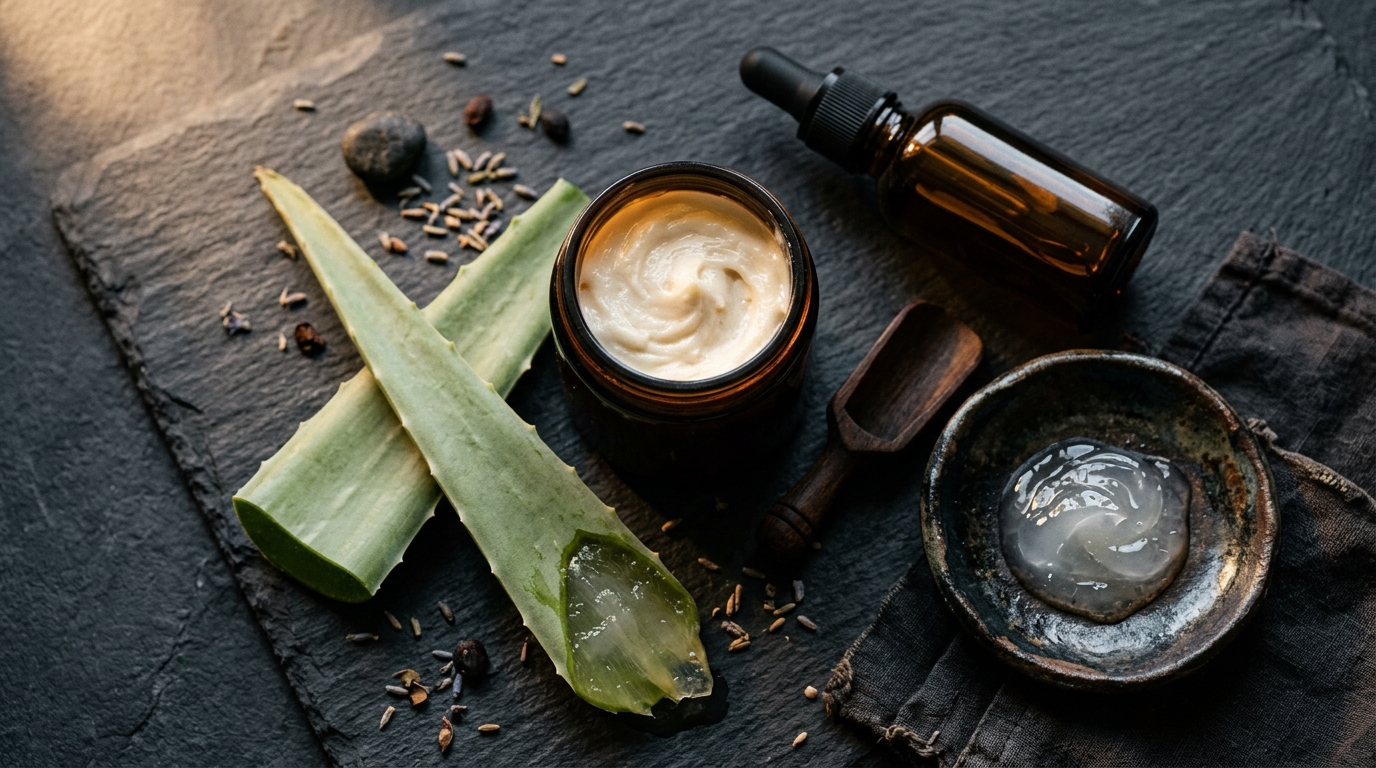
Daily routines handle ongoing maintenance, but some repair work needs a less frequent, more intensive step to fill the gaps.
Face Masks for Deeper Recovery
Hydrating masks with hyaluronic acid, aloe vera, or natural oils work well for skin that’s lost moisture to sun, pollution, or harsh cleansers. For dullness or uneven tone specifically, masks built around vitamin C, niacinamide, or licorice extract tend to be a better fit. Once or twice a week is generally enough to soften skin and make it more receptive to the products layered afterward.
Deeper Exfoliation as a Recovery Tool
Beyond daily cleansing, a slightly stronger weekly exfoliation step using BHAs like salicylic acid clears the dead skin buildup that dulls complexion over time. Chemical exfoliants create less micro-tearing than physical scrubs, which lowers the risk of adding new damage while removing old buildup. Used once or twice a week, this step also helps other active ingredients penetrate more effectively.
Weekly Hair Strengthening
A conditioning hair mask with proteins, keratin, or natural oils, left on for 20 to 30 minutes, helps rebuild strength in hair that’s lost natural oils from heat styling or chemical treatment. Consistency matters more than intensity here — one mask won’t reverse months of damage, but a weekly habit compounds over time.
Scalp Care Supports Hair From the Root
The scalp deserves attention too, since healthy hair starts at the follicle. Massaging in oils like argan, jojoba, or coconut can support circulation and follicle health, which in turn supports stronger regrowth over time — though it’s worth being clear that scalp oils support a healthy growing environment rather than directly accelerating hair growth itself.
To build a weekly scalp care routine, check out our step-by-step scalp massage and oil treatment guide.
When Damage Needs More Than a Weekly Routine
Chronic or more severe damage sometimes needs stronger intervention than daily and weekly care alone can provide.
Collagen and Repair-Focused Treatments
Retinoids — the broader ingredient category that includes retinol — support skin cell turnover and can meaningfully reduce the appearance of fine lines, pigmentation, and uneven texture over consistent use. Pairing retinoids with peptides, which signal skin to produce more collagen and elastin, can add firmness on top of that. Growth-factor serums, often available in stronger professional-grade formulations, go a step further for skin that needs more intensive support.
These stronger actives generally belong in the evening routine, both because that’s when skin repairs itself naturally and because most of them increase sun sensitivity. Introducing them gradually — building up frequency slowly — and always following with a barrier-supportive moisturizer reduces the irritation risk that comes with adding several active ingredients at once.
Treating Scarring and Pigmentation Specifically
Persistent discoloration or scarring often needs a more targeted approach. Ingredients like niacinamide, azelaic acid, and vitamin C are commonly used to fade discoloration and reduce redness over time. For deeper or more stubborn concerns, in-office procedures like microneedling, chemical peels, or laser therapy can accelerate results — though these generally work best paired with a consistent at-home routine rather than as a standalone fix.
Salon-Level Hair Treatments
For more significantly damaged hair, protein-based treatments or salon keratin services can help rebuild structural integrity and reduce ongoing breakage. Regular scalp care alongside these treatments supports circulation and follicle health, and consistency on a weekly basis tends to matter more than any single high-intensity treatment.
For more on this, see our overview of the keratin treatment process, cost, and maintenance.
Comparison: Weekly Recovery Treatments
| Treatment Type | Best For | Key Ingredients | Frequency |
|---|---|---|---|
| Hydrating Face Mask | Dryness from sun, pollution, or harsh cleansers | Hyaluronic acid, aloe vera, natural oils | 1–2x per week |
| Brightening Mask | Dullness, uneven tone | Vitamin C, niacinamide, licorice extract | 1–2x per week |
| Chemical Exfoliant (BHA) | Buildup, dullness, clogged pores | Salicylic acid | 1–2x per week |
| Protein Hair Mask | Heat or chemical hair damage | Hydrolyzed protein, keratin, natural oils | 1x per week |
For guidance on combining actives safely, see our guide on layering retinol, vitamin C, and exfoliants without irritation.
Nutrition and Hydration Support Recovery From the Inside
Topical products only do part of the work — what the body has available to rebuild with matters just as much.
Protein and Key Vitamins
Protein from lean meats, fish, eggs, legumes, and dairy provides the building blocks for both collagen production and hair strength. Vitamins A, C, and E support antioxidant activity and cell regeneration, while minerals like zinc and selenium support the skin barrier and immune resilience.
Healthy Fats and Antioxidant-Rich Foods
Omega-3 fatty acids from fish, flaxseed, and walnuts help maintain skin and hair hydration and elasticity. Antioxidant-rich foods like berries, leafy greens, and nuts help counter the oxidative stress that accelerates visible aging in both skin and hair.
Staying Hydrated
Drinking enough water, along with eating water-rich foods like cucumber, orange, and watermelon, supports circulation and helps deliver nutrients to skin and hair cells more effectively. Hydration alone won’t fix deep damage, but under-hydration will slow down whatever repair routine is already in place.
Lifestyle Factors That Support or Undermine Recovery

No topical routine performs at its best without the basic lifestyle habits that support the body’s natural repair process.
Sleep Quality
Deep sleep is when the body produces growth hormone and carries out much of its cellular repair, which is why chronic sleep deprivation shows up as dullness, puffiness, and slower healing. Aiming for 7 to 9 hours a night gives the body a real window to do that repair work.
Managing Stress
Chronically elevated cortisol from stress can slow collagen production and cell turnover, working directly against the goals of a recovery routine. Practices like meditation, regular movement, deep breathing, or simply time outdoors can meaningfully lower stress levels and support the body’s own repair processes.
Exercise and Circulation
Physical activity improves blood flow, which helps deliver oxygen and nutrients to skin and hair cells more efficiently. Even moderate activity like regular brisk walking supports this over time, alongside the general benefits of reduced puffiness and improved circulation.
Habits Worth Cutting Back
Smoking, heavy alcohol use, and unprotected sun exposure all work against recovery in ways that no skincare routine can fully offset. Reducing these has a bigger impact on skin and hair recovery than most product changes alone.
FAQs
Q: How often should a skin and hair damage recovery routine be followed?
A consistent morning and evening routine is the foundation, with additional weekly treatments like masks or hair conditioning added on top for extra support. Most dermatologists recommend introducing active ingredients like retinol gradually, starting once or twice a week before increasing frequency.
Q: Can damaged skin and hair actually be repaired?
With consistent care, adequate hydration, and proper nutrition, skin and hair can regain much of their tone, strength, and shine over time. Surface-level improvements like hydration and texture often show up within a few weeks, though deeper damage like fine lines or significant breakage generally takes several months.
Q: How do I add retinol or vitamin C to my routine without irritation?
Dermatologists generally recommend using vitamin C in the morning as antioxidant protection and retinol at night, starting retinol at a low frequency like once or twice weekly before building up. Layering both without spacing them out increases the risk of irritation, especially for sensitive skin.
Q: Do lifestyle habits really affect skin and hair recovery?
Sleep, stress management, exercise, and hydration are directly tied to the body’s natural repair processes, and neglecting them can slow recovery regardless of how good a topical routine is. Getting 7 to 9 hours of sleep a night supports the cell regeneration that happens primarily during deep sleep.
Q: How long does it take to see results from a recovery routine?
Hydration and surface texture improvements are often visible within a few weeks of consistent care. Deeper concerns like pigmentation, fine lines, or significant hair breakage typically require several months of regular treatment before meaningful change shows up.
The Bottom Line
Real recovery from sun damage, dryness, or brittle hair takes weeks to months, not days, and it depends more on consistency than on any single product. Build the basics first — gentle cleansing, daily sunscreen, nighttime repair ingredients introduced gradually, and the sleep and nutrition that support the whole process — and treat weekly masks or salon treatments as a supplement to that foundation, not a substitute for it.