
The majority of hair and skin recommendations aim for shine, fullness, or even an “overnight glow” — however, none of them will last on the weak base of a foundation. It’s about strength, not surface finish, that allows hair to withstand breakage and skin to remain stress-free.
Table Of Content
- Key Takeaways
- Why Weak Hair and Skin Happen
- What Weak Hair Looks and Feels Like
- What a Compromised Skin Barrier Looks and Feels Like
- The Daily Strengthening Routine for Hair
- Cleansing Without Stripping
- Conditioning for Structural Support
- Daily Handling and Heat Protection
- The Daily Strengthening Routine for Skin
- Gentle Cleansing to Protect the Barrier
- Hydration as a Strength Driver
- Daily Sun Protection
- Nighttime Repair
- Weekly Care: Rebuilding Elasticity and Resistance
- Deep Conditioning for Hair
- Scalp Care for Healthier Growth
- Reducing Weekly Mechanical Stress
- Weekly Exfoliation for Skin
- Weekly Hydration Treatments
- Monthly Maintenance: Protecting Long-Term Progress
- Monthly Hair Trims
- Monthly Skin Check-Ins
- What You Eat Shapes the Structure Underneath
- Protein as the Building Block
- Micronutrients That Support Repair
- Hydration and Healthy Fats
- Lifestyle Factors That Help or Hinder Progress
- Sleep as a Repair Window
- Stress and Hormonal Balance
- Movement and Circulation
- Comparison: Weekly Treatment Options at a Glance
- Setting Realistic Expectations
- Frequently Asked Questions
- How long does it take to see results from a hair and skin strengthening routine?
- Can sensitive skin or brittle hair follow a strengthening routine?
- Does weekly deep conditioning actually make a difference, or is it marketing?
- Does diet really affect hair and skin strength?
- Why do dermatologists emphasize daily sunscreen so much for skin strength?
- The Bottom Line
This guide explains why hair and skin are weak in the first place and how daily, weekly, and monthly habits can help to rebuild them from scratch.
Key Takeaways
- Weak hair doesn’t just happen because of bad genes — it’s because of cuticle damage, protein loss, and/or moisture depletion.
- Tightness, redness, and sensitivity are a result of a damaged skin barrier; it must be repaired for any actives to be effective.
- Daily routines (gentle cleansing, regular moisturizing, daily SPF) are more important for long-lasting strength than any one “miracle” product.
- Weekly deep conditioning and light exfoliation treat accumulated damage that a daily regimen alone may miss.
- Recovery habits (sleep, stress management) are part of the routine, not an extra; chronic stress raises cortisol, which can push hair follicles out of their growth phase and slow skin repair.
- Early signs should take 4-6 weeks to be noticed, with several months needed to see structural change such as reduced breakage.
Why Weak Hair and Skin Happen
Hair and skin do not weaken all at once or for no reason. Damage is cumulative and results from small stressors — heat styling, harsh cleansers, sun exposure, and physiological stress — long before it becomes visible.
What Weak Hair Looks and Feels Like
Weak hair won’t grow much longer before it breaks. You’ll find hair shedding in the shower or while brushing, and ends will turn dry or coarse and lose elasticity, meaning they’re no longer stretchy. This typically results from damage to the cuticle, protein loss, or moisture depletion caused by heat tools, chemical processing, sun exposure, and stripping shampoos.
Pro Tip: If a strand breaks easily when pulled gently, rather than stretching a little first, it’s a sign of low elasticity — characteristic of protein deficit or moisture loss, not just simple dryness.
What a Compromised Skin Barrier Looks and Feels Like
Weak skin feels tight, reacts easily, or is easily irritated, and may appear red, dry, show fine lines, or have an uneven texture. Underneath these symptoms is usually a damaged skin barrier.
A review in the Journal of the American Academy of Dermatology explains that skin barrier function can be meaningfully improved by moisturizers in both normal and impaired skin, and that a compromised barrier is itself the cause of many skin conditions, such as eczema. In other words, barrier repair isn’t optional — it’s the mechanism that makes everything else work.
The Daily Strengthening Routine for Hair
Daily habits have the largest cumulative effect on hair strength, simply because they happen every day.
Cleansing Without Stripping
The use of vigorous surfactants can strip the hair shaft of its natural oils, causing long-term dry and brittle strands. A gentler approach means washing your hair as often as it truly needs to be cleaned, using sulfate-free or low-surfactant formulas that don’t over-strip.
Conditioning for Structural Support
Conditioner isn’t optional for weak hair — it replenishes moisture, softens the cuticle, and improves elasticity. Regular conditioning also reduces the daily friction from brushing, clothing, and environmental exposure that otherwise wears down hair that looks fine at first glance but is quietly thinning at the ends.
Daily Handling and Heat Protection
How hair is handled day to day matters as much as what’s applied to it. Rough brushing, aggressive towel-drying, and tight hairstyles all put mechanical stress on strands that are already weak — and wet hair is especially vulnerable to breakage. Minimizing heat styling, and using a heat protectant when it’s unavoidable, prevents damage that otherwise has to be repaired later.
The Daily Strengthening Routine for Skin
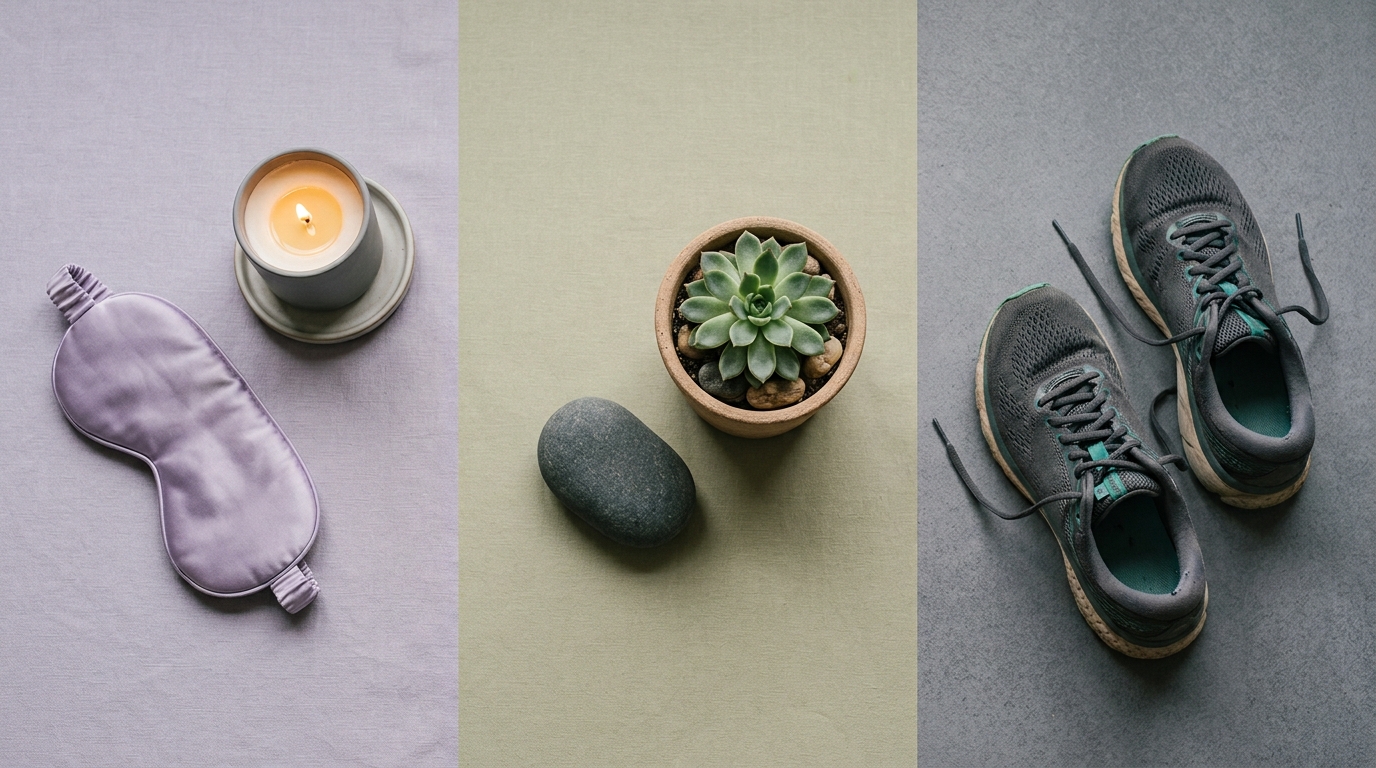
The three habits for strengthening skin are protecting the barrier, maintaining hydration, and avoiding unnecessary irritation.
Gentle Cleansing to Protect the Barrier
Harsh cleansers attack the same barrier they’re designed to clean. A well-formulated cleanser shouldn’t leave skin feeling tight, squeaky, or dry immediately after rinsing. That “clean but not stripped” feeling is a practical day-to-day check that the barrier is staying intact.
Hydration as a Strength Driver
Hydrated skin is more resilient skin. Adequate moisture supports elasticity and faster healing, while dehydration makes fine lines and irritation more noticeable. Consistent daily moisturizing reduces water loss through the skin over time, and a well-hydrated barrier becomes progressively less reactive to outside stress.
Daily Sun Protection
UV exposure is one of the fastest ways to undermine skin strength, breaking down collagen and accelerating both visible aging and sensitivity. The American Academy of Dermatology’s sunscreen guidance calls for a broad-spectrum, water-resistant sunscreen of SPF 30 or higher on all skin not covered by clothing, since SPF 30 blocks roughly 97% of UVB rays. Skipping daily SPF means new damage keeps outpacing any repair a routine is trying to achieve.
Pro Tip: Sunscreen needs reapplying roughly every two hours outdoors regardless of SPF number — a higher SPF extends the ceiling of protection, not the duration.
Nighttime Repair
The body does more repair work during sleep, which is why an evening routine focused on calm, supportive care — rather than active treatments layered on top of each other — tends to pay off. For hair, keeping strands loose and away from rough fabric overnight cuts down on friction-related breakage. For skin, a supportive night routine gives the barrier uninterrupted time to regenerate.
Weekly Care: Rebuilding Elasticity and Resistance
Daily habits maintain hair and skin — weekly care is what actively rebuilds them. This is where the deeper, cumulative stress of daily life gets addressed instead of just managed.
Deep Conditioning for Hair
Elasticity is a direct measure of hair strength: strong hair stretches slightly before it breaks, while weak hair snaps immediately.
Weekly deep conditioning treatments restore moisture and internal balance more thoroughly than daily conditioner, gradually filling in the microscopic gaps in the cuticle caused by heat, friction, and environmental exposure. The result shows up first in how hair feels during brushing and styling, before it’s visible in overall texture.
Scalp Care for Healthier Growth
A neglected scalp can’t reliably support healthy hair growth. Weekly scalp massage increases blood flow, which helps deliver oxygen and nutrients to hair follicles and can support healthier growth cycles. A dry, tight, or product-heavy scalp environment makes this harder — light oil treatments or scalp massage sessions help reset that environment and reduce irritation over time.
Reducing Weekly Mechanical Stress
Giving hair regular breaks from tight hairstyles and high-tension updos reduces a source of damage that’s easy to overlook because it accumulates slowly. This kind of stress reduction doesn’t produce a dramatic before-and-after, but it prevents the gradual thinning and breakage that shows up months later.
Weekly Exfoliation for Skin
Dead skin cells build up faster than most people realize, leaving skin looking dull and making other products less effective. A gentle, once-weekly exfoliation clears this buildup without compromising the barrier the way daily exfoliation can. Done consistently but not aggressively, it improves texture and reduces sensitivity over time — the opposite of what happens with over-exfoliation.
Weekly Hydration Treatments
A weekly hydrating mask does more than soften skin temporarily — it trains the barrier to hold onto moisture more effectively between uses. Over time, skin that’s had this kind of consistent support becomes less dependent on constant product layering, which is itself a sign that barrier strength has improved.
Monthly Maintenance: Protecting Long-Term Progress
Monthly Hair Trims
Monthly hair maintenance is about preservation, not growth in the literal sense. Trimming damaged ends prevents split ends from traveling up the hair shaft, which protects the length and thickness a routine has already built. Hair that’s regularly maintained this way tends to hold moisture and resist damage better than hair left to accumulate split ends indefinitely.
Monthly Skin Check-Ins
Skin needs to adapt to seasonal changes, shifting stress levels, and lifestyle changes — a routine that worked well in summer may need adjusting by winter. A monthly review of what’s working (and what isn’t) catches small issues before they compound, and it’s how skin becomes more adaptable to short-term disruptions like travel or a stressful week.
What You Eat Shapes the Structure Underneath
Protein as the Building Block
Hair and skin are both largely protein-based structures, so inconsistent protein intake shows up as thinner hair and less elastic skin over time. Reliable protein intake supports the body’s ongoing repair processes, which tends to translate into denser-feeling hair and firmer skin over months, not days.
Micronutrients That Support Repair
Several nutrients play specific roles: vitamin C supports collagen production, vitamin A supports scalp and skin cell turnover, and vitamin E helps protect cells from environmental stress. Zinc and iron are also commonly linked to hair growth and healing — deficiencies in either often show up as hair shedding or persistently tired-looking skin.
Hydration and Healthy Fats
Water keeps cells supple; a persistent lack of it makes hair and skin stiffer and more prone to damage. Dietary fats support the same barrier function that topical moisturizers are working to protect, so the two work together rather than as substitutes for one another.
Lifestyle Factors That Help or Hinder Progress
Sleep as a Repair Window
Deep sleep triggers growth hormone release that supports skin regeneration and hair growth cycling. Inconsistent sleep disrupts these processes, which can show up as increased shedding or dull-looking skin — making sleep one of the more overlooked “products” in a strengthening routine.
Stress and Hormonal Balance
Chronic stress elevates cortisol, and there’s a well-documented physiological link between the two: a 2025 review of the mechanism explains how cortisol, HPA-axis activation, inflammatory cytokines, and neuropeptides can prematurely push hair follicles out of their growth phase and into a resting phase — a condition known as telogen effluvium. This is why stress management isn’t a side note — it’s a mechanism that directly affects whether hair sheds and how quickly skin recovers from irritation.
Movement and Circulation
Regular exercise improves blood flow to both the scalp and skin, supporting nutrient delivery and having a mild anti-inflammatory effect. It’s an indirect but real contributor to the same repair processes that topical and dietary care are supporting.
Comparison: Weekly Treatment Options at a Glance
| Treatment | Frequency | Primary Benefit | Time Commitment | Best For |
|---|---|---|---|---|
| Deep conditioning mask | 1x/week | Restores elasticity, smooths cuticle | 10–20 min | Chemically treated or heat-styled hair |
| Scalp massage/oil treatment | 1x/week | Improves circulation, reduces buildup | 5–10 min | Slow growth, tight/flaky scalp |
| Gentle chemical or enzyme exfoliation | 1x/week | Clears dead cell buildup, improves texture | 5 min | Dull, uneven-textured skin |
| Hydrating sheet or overnight mask | 1x/week | Trains barrier to retain moisture | 15–30 min | Tight, dehydrated, or reactive skin |
Setting Realistic Expectations
Strength doesn’t build in a day, and hair and skin regenerate on their own biological timelines regardless of how consistent a routine is. Most people notice less dryness and improved texture within four to six weeks. Breakage takes longer to resolve — often several months — since it depends on new, undamaged hair growing in and cuticle repair happening gradually.
The changes are small individually but compound significantly over time, which is also why routines abandoned after two weeks rarely show results.
Frequently Asked Questions
How long does it take to see results from a hair and skin strengthening routine?
Most people notice reduced shedding and smoother texture within 4 to 6 weeks of consistent care. Deeper structural changes, like meaningfully less breakage or improved elasticity, typically take 3 to 6 months since they depend on new growth and gradual cuticle repair rather than a single treatment.
Can sensitive skin or brittle hair follow a strengthening routine?
A strengthening routine is generally well-suited to sensitive skin and brittle hair, since it’s built around gentle cleansing, consistent hydration, and barrier protection rather than aggressive treatments. Avoiding high-percentage actives and daily exfoliation is usually more important for sensitive types than for average skin.
Does weekly deep conditioning actually make a difference, or is it marketing?
Weekly deep conditioning penetrates further than daily conditioner because it’s left on longer, allowing it to address moisture loss and cuticle gaps that accumulate over days. Dermatology sources note that moisturizing treatments can meaningfully improve barrier function and hydration retention when used consistently over weeks, not just after a single application.
Does diet really affect hair and skin strength?
Diet has a direct effect, since hair and skin are largely protein-based structures that also depend on specific micronutrients like vitamin C, zinc, and iron for repair. Deficiencies in these nutrients are a documented contributor to hair shedding and slow skin healing, so external care alone has limits without adequate nutrition.
Why do dermatologists emphasize daily sunscreen so much for skin strength?
Daily SPF matters because UV exposure is one of the fastest ways to damage collagen and the skin barrier, undoing repair work faster than it can happen. The American Academy of Dermatology recommends a broad-spectrum sunscreen of SPF 30 or higher, which blocks about 97% of UVB rays when applied consistently and reapplied every two hours outdoors.
The Bottom Line
Strengthening hair and skin isn’t about finding one product that works overnight — it’s about stacking small, consistent habits (gentle daily care, weekly deep treatments, monthly check-ins, and supporting nutrition and sleep) that address the actual causes of weakness: barrier damage, protein loss, sun exposure, and chronic stress.
The realistic timeline is weeks for early improvement and months for structural change, and the routines that work are the ones people actually stick with rather than the most intensive ones. For persistent breakage, chronic redness, or hair loss that doesn’t improve, a board-certified dermatologist can rule out underlying causes a routine alone can’t fix.