



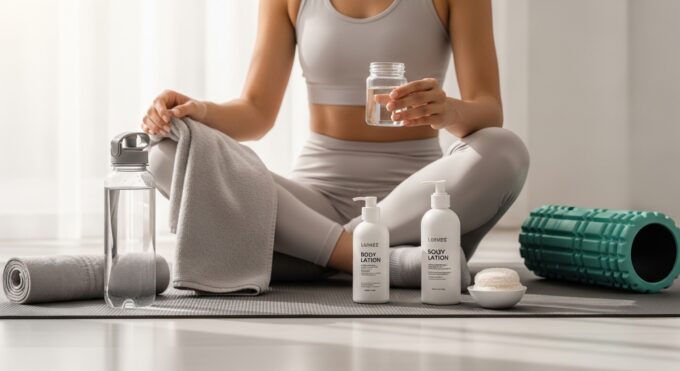
Self Care Routines After Workouts: A Practical Guide to Better Recovery, Comfort, and Daily Balance
Self care routines after workouts play an important role in how the body feels, recovers, and performs after physical activity. Most individuals pay much attention to exercise per se and pay minimal attention to the after-effect of exercise. As a matter of fact, post exercise may have a strong impact on the comfort of muscles, hydration, skin status, energy status and general recovery.
Table Of Content
- Self Care Routines After Workouts: A Practical Guide to Better Recovery, Comfort, and Daily Balance
- Understanding Why Post-Workout Self-Care Matters
- What Happens to the Body After Exercise
- Why Recovery Should Start Right After a Workout
- Core Principles Behind Good Self Care Routines After Workouts
- Recovery Before More Activity
- Rehydration and Nourishment
- Cleanliness and Skin Comfort
- The First 30 Minutes: Immediate Self Care Routines After Workouts
- Cooling Down Gradually
- Rehydrating the Body
- Changing Out of Sweaty Clothes
- Cleansing and Body Care After Exercise
- Showering at the Right Time
- Choosing a Gentle Body Cleanser
- Caring for Sweat-Prone Areas
- Post-Workout Face and Body Care
- Muscle Recovery as Part of Self Care Routines After Workouts
- Stretching for Post-Workout Comfort
- Resting the Muscles Properly
- Massage, Foam Rolling, and Light Recovery Support
- Hydration and Nutrition for Better Recovery
- Why Fluids Matter After Exercise
- Replacing Nutrients After Physical Activity
- Supporting Energy Without Overcomplication
- Skin, Hair, and Body Comfort After Workouts
- Preventing Post-Workout Breakouts
- Caring for Hair After Sweating
- Moisturizing the Body After Showering
- Managing Friction and Irritation
- Mental and Emotional Self-Care After Exercise
- Letting the Nervous System Calm Down
- Appreciating the Body After Effort
- Summary
The body requires cooling down, rebalancing, and repairing whether the individual is done with a gym session, home workout, a walk, a run, or strength training session. That is where self care routines after workouts become especially valuable. Post-workout habits can help decrease soreness, deal with sweat and skin irritation, feel more comfortable in their bodies and be less likely to stop undertaking a fitness goal.
Rather than recovery being regarded as an additional process, it is to be considered a component of the workout process. Through proper attitude, the body will start to feel cleaner, calmer and more supported after each session with the help of simple and realistic self-care.
Understanding Why Post-Workout Self-Care Matters
What Happens to the Body After Exercise
Working out provides good stress to the body. The muscles strain more, the body temperature becomes increased and there is an increase in production of sweat in order to aid in cooling. The heart beats quicker, the breathing is deeper, the energy stores also start shifting due to the movement response in the body. Once the exercise is over, there is no rapid transition of the body to the resting state.
It keeps on trying to control temperature, repair muscle tissue, replenish the body by hydrating the body, and stabilizing breathing and circulation. This healing time is significant as it is the time when discomfort becomes observed by many individuals. Muscles can become tight, the skin can be sticky or irritated and the body can be both energized and exhausted simultaneously.
The oil, friction, and bacteria can be combined with the sweat that is left on the skin particularly in parts of the body such as the back, chest, underarms, and the face. Otherwise, it can lead to the clogged pores and irritation. Now, there is the reason why the post workout recovery habits are important. They also assist the body to transition easily between hard work and rest rather than remain in an unpleasant and uncomfortable state.
Why Recovery Should Start Right After a Workout
The process of recovery starts when the physical activity reduces. The initial hours following exercise should be an opportunity to assist the body with relaxing, realistic measures. Slowing down to cool down, water, and changing the sweaty clothes are not trifles.
They have a direct influence on the body sense in the subsequent hours. Failure to undergo this step may lead to unwarranted tightness, fatigue, or pain in the skin, in people. An abrupt conclusion of the workout may even cause the exercise to seem more tiresome than it felt during the process.
Conversely, when an individual takes into consideration mindful fitness recovery self care practices, the body tends to be more relaxed and favored. Immediate commencing of recovery is also beneficial in developing consistency. When individuals are convinced that they can rest easily after exercising and not be exhausted and annoyed each time, they will find it easier to engage in a routine.
Core Principles Behind Good Self Care Routines After Workouts
Recovery Before More Activity
One of the most helpful ideas in self care routines after workouts is understanding that the body needs a transition. It is used after the movement to decelerate and then jump straight into chores, work, traveling or more strenuous labour.
This little rest period gives time to relax and for the breathing to normalize and the muscles to loosen. Recovery first attitude does not imply that nothing should be done. It is taking supportive measures that can assist the body to revert to a normal state. That process can include gentle stretches, long silent walks, hydration and cleansing.
Rehydration and Nourishment
Even during exercise that is not very intense, the loss of fluids is often experienced. The cooling process is through sweat which in turn implies that the body will require replenishment after the cooling is done. Water is paramount and in certain situations, specifically after a rigorous workout, or during prolonged periods of time, balanced food and electrolyte supplements may also come in handy.
Food matters too. It is after activities that the body requires to be fed not punished or limited. The balanced snack or meal will help in the process of muscle reconstruction and recovery of energy without making post-workout care seem like a complex task.
Cleanliness and Skin Comfort
Sweat is not a problem but a lot of it can leave one uncomfortable when it is left on the skin. The skin barrier may be impacted by friction between clothing, trapped moisture and heat and can result in irritation. Showering the body with a gentle shower after the exercise aids in getting rid of the sweat, oil, and accumulation as well as keeping the skin comfortable.
It is also particularly useful with individuals who are troubled by post exercise skincare issues like body acnes, facial breakouts, or even sensitivity to sweat.
The First 30 Minutes: Immediate Self Care Routines After Workouts
Cooling Down Gradually
An effective workout cannot be terminated abruptly. A brief relaxation period allows the body to adapt at a more healthy rate. This may involve walking slowly, more light and controlled breathing. The aim is not to proceed with training but to make the heart rate and muscle tension calm down with time.
Cooldowns also help eliminate the dragging tiredness that comes with vigorous activities. To a large number of individuals, five or ten minutes of mild physical exercises make the body less rigid in the future.
Rehydrating the Body
One of the most effective and the easiest habits to recover after exercise is drinking water. Most individuals do not realize how good the body will feel when hydration is considered at an early stage. Fatigue, headaches and thirst following workouts usually relate to the loss of fluids.
Hydration does not only concern replacing sweat. It also helps in circulation, maintenance of temperature and the natural repair mechanisms in the body. This makes it one of the foundations of self care routines after workouts.
Changing Out of Sweaty Clothes
Wet clothes prolonged use may cause the skin to become very uncomfortable and frictional in delicate regions. Sports bras, waistbands, leggings, socks, tight tops, etc. may be very close to the skin. Switching to neat and dry clothes allows the body to cool down in a comfortable manner.
This is a particularly significant habit to those who are easily irritated in the chest, thighs, underarms or the back. Even the mere change of clothes can bring immense difference in the body in terms of freshness and comfort after exercise.
Cleansing and Body Care After Exercise
Showering at the Right Time
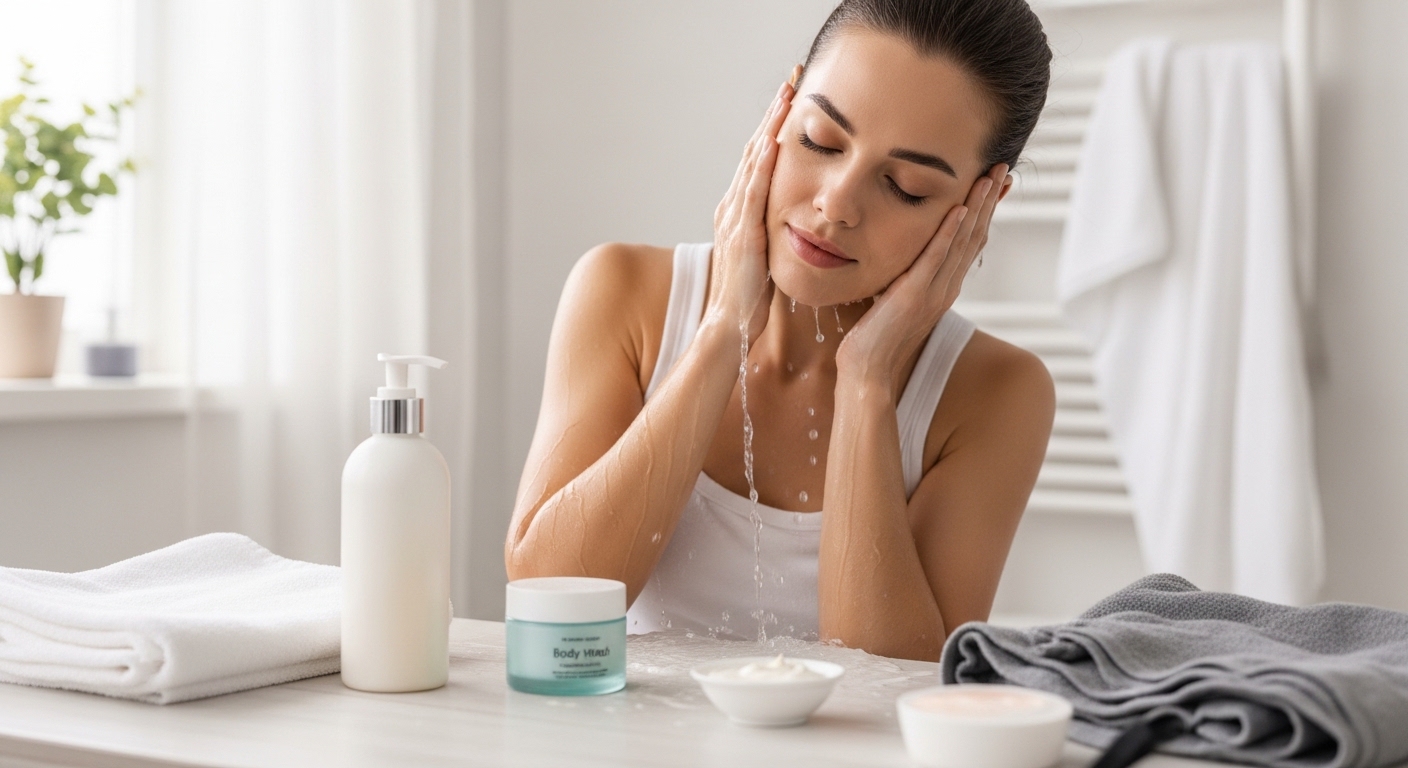
Post-workout showering aids in sweating, eliminating bacteria, and getting rid of skin residual materials. Delays after heavy sweating are usually not a good idea particularly when the individual concerned has sensitive skin or is prone to acne.
A splash of water can be sufficient after a light workout, and a complete light shower can be more beneficial after a heavy one. The key is balance. Very hot water may result in skin that is dry and sensitive particularly following the workout. Warm water is in many cases preferable, as it is less stressful to already warm body skin.
Choosing a Gentle Body Cleanser
Sweating and friction can make the skin more sensitive and therefore rough cleansers are not necessarily a good idea. A gentle body soap is able to cleanse the skin without depleting the skin barrier. This is particularly necessary to those who handle dryness, tightness, or rough patches.
A good body care practice such as using a light cleanser is effective after gym sessions since it helps uphold hygiene and at the same time safeguard comfort. The skin must also not be softened, it must be fresh.
Caring for Sweat-Prone Areas
There are some parts of the body, which require a bit of attention post exercise. Sweat and friction are likely to occur under the arms, in the back, the chest, feet, and where the clothes rub. Washing such spaces will prevent odor, congestion and even irritation.
Feet are also to be taken care of even after workouts particularly when the shoes are worn over a long period. It can be comfortable when they are washed and dried properly, and the rest of the moisture can be minimized.
Post-Workout Face and Body Care
The face can get sweaty, sunscreened, oily and dirty in the environment during the exercise. The face should be gently cleansed afterwards, this would help in the possibility of breaking out and the feeling of discomfort. It can be just a basic face wash and then a hydration that does not weigh much.
To the body, taking a shower and moisturizing may assist in restoring normalcy, particularly when the enemy is dry due to bathing. These small steps are a practical part of self care routines after workouts because they support both hygiene and skin health.
Muscle Recovery as Part of Self Care Routines After Workouts
Stretching for Post-Workout Comfort
Post exercise stretching may assist in alleviating the state of being stiff and enhance body comfort. Pressing on it is not the way; the way is to stretch it, not push. Muscles needing a rest have recently been exercised, which means that slow-controlled movement is more effective than stretching.
Stretching may also be relaxing to the psyche. It provides the body with a feeling of formality upon effort and it provides the time to observe where the tension is being concentrated.
Resting the Muscles Properly
Healing does not concern only what you do. It too is about what you leave to. Muscles require time to rejuvenate. Several workouts may begin to be more difficult than tough without sufficient rest.
This is why self care routines after workouts should include an attitude of recovery rather than pressure. Exercise is more beneficial to the body when it receives appropriate rest and reduces the chances of long term tiredness.
Massage, Foam Rolling, and Light Recovery Support
Others relieve themselves with foam rolling, light massage or the application of light pressure to areas of tension. These practices are able to alleviate tension and make people more conscious of their bodies. They need not necessarily be intense to work. Taking a break and a little recovery exercise can make the body feel more relaxed.
Hydration and Nutrition for Better Recovery
Why Fluids Matter After Exercise
Water facilitates almost all recovery processes. The body requires fluid to be in good operation after movement. Soreness and fatigue are worsened by even mild dehydration. Gradual rehydration after exercise helps in providing comfort and general recovery.
Replacing Nutrients After Physical Activity
Balanced nourishment is advantageous to the body after a workout. Protein and healthy carbohydrate meals or snacks containing minerals could replace energy and aid muscle repair.
This need not be complex or too rigid. An actual schedule is most appropriate. Others can have a full meal and others can have a simple snack and take a meal later. This is aimed at helping the body and not neglecting it.
Supporting Energy Without Overcomplication
The reason why lots of individuals find it difficult to sustain fitness recovery self care is the fact that most of them believe that recovery must be flawless. As a matter of fact, mere routine suffices. Have water, have something with a balanced diet and be in touch with the body. The recovery becomes better when it seems to be manageable and repeatable.
Skin, Hair, and Body Comfort After Workouts
Preventing Post-Workout Breakouts
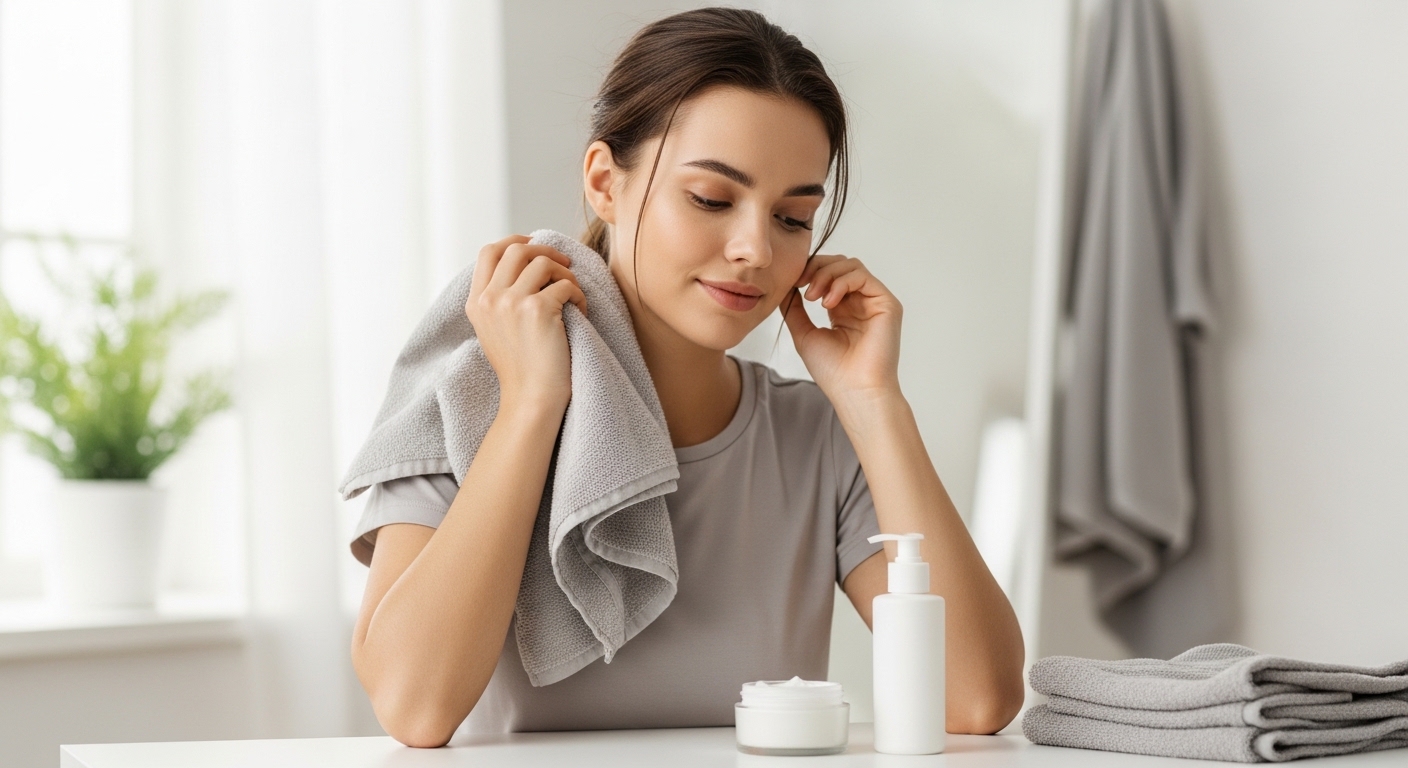
Sweat is not the villain, but when it is combined on the skin with oil, friction, and product deposits it may lead to breakouts. It is recommended to clean the body and face gently after exercise to ensure that the pores remain clear.
Individuals who use make up, sunscreen or smearier skin products during the day might also enjoy an even more genteel post-activity cleanse. This helps to have a better post exercise skincare without complicating the process.
Caring for Hair After Sweating
Post workouts hair and scalp management is dependent on the amount of sweat generated and the intensity of workouts undertaken. One may not have to wash their hair after each of the sessions but the head must feel fairly fresh and comfortable.
Others might shower the fringe, dry hair or apply basic refreshments in between washing days. The greatest thing is to avoid long term dampness and discomfort particularly when sweat gathers at the head or and at the neck.
Moisturizing the Body After Showering
The skin can be cleansed, and it might require assistance to be soft and comfortable. To rehydrate the body, a body lotion or a light moisturiser may be applied on the parts that are likely to be dry like arms, legs, knees, and elbows.
The reason behind this step is that as one takes shower frequently after exercises, the skin gradually becomes dry unless the moisture is replaced.
Managing Friction and Irritation
Workout attire may leave recurring friction in some sections, particularly, the inner thighs, waist, armpits, and bra strap. It is useful to observe the evidence of redness or sensitivity after the workouts and ensure that those areas are clean and dry. These details are easy to overlook, but they are part of what makes self care routines after workouts truly supportive and practical.
Mental and Emotional Self-Care After Exercise
Letting the Nervous System Calm Down
Exercise may be revitalising but the body must take time to adjust. A few moments of rest following exercise would assist breathing to slow, thoughts to calm and the nervous system to get back to a more relaxed position. This comes in handy particularly when they have gone through rigorous training or in the gym where there is a lot of activity.
This is because a brief rest will enable the body to absorb the gains of the exercise rather than dragging the stress to the rest of the day.
Appreciating the Body After Effort
The period after exercise is also an ideal time to change the attitudes towards exercise. Rather than pushing the body, recovery also helps us support the body.
That would enhance the emotional bond of people with the movement and self-care. This makes self care routines after workouts helpful not only for recovery but also for building a healthier, more sustainable approach to fitness.
Summary


