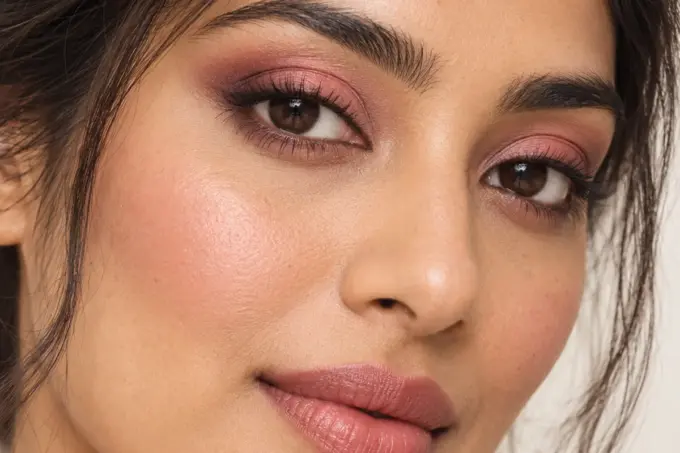
Pink eyeshadow looks can be as quiet as a sheer rose lid or as dramatic as a berry outer corner. The most useful way to choose one is to decide how much contrast you want, then pick a pink that remains visible against your eyelid color. You do not need a large palette to begin.
Table Of Content
- What you need, and what you can skip
- 10 pink eyeshadow looks with shade recipes
- 1. Sheer rose wash
- 2. Dusty pink with taupe definition
- 3. Peach-pink everyday eyes
- 4. Rose-gold center lid
- 5. Mauve pink with plum depth
- 6. Raspberry statement lid
- 7. Pink and chocolate outer corner
- 8. Pastel pink with a soft brown wing
- 9. Pink halo with a satin center
- 10. Berry evening eye
- Make the placement work on your eyes
- Three common blending problems
- Choose your next makeup guide
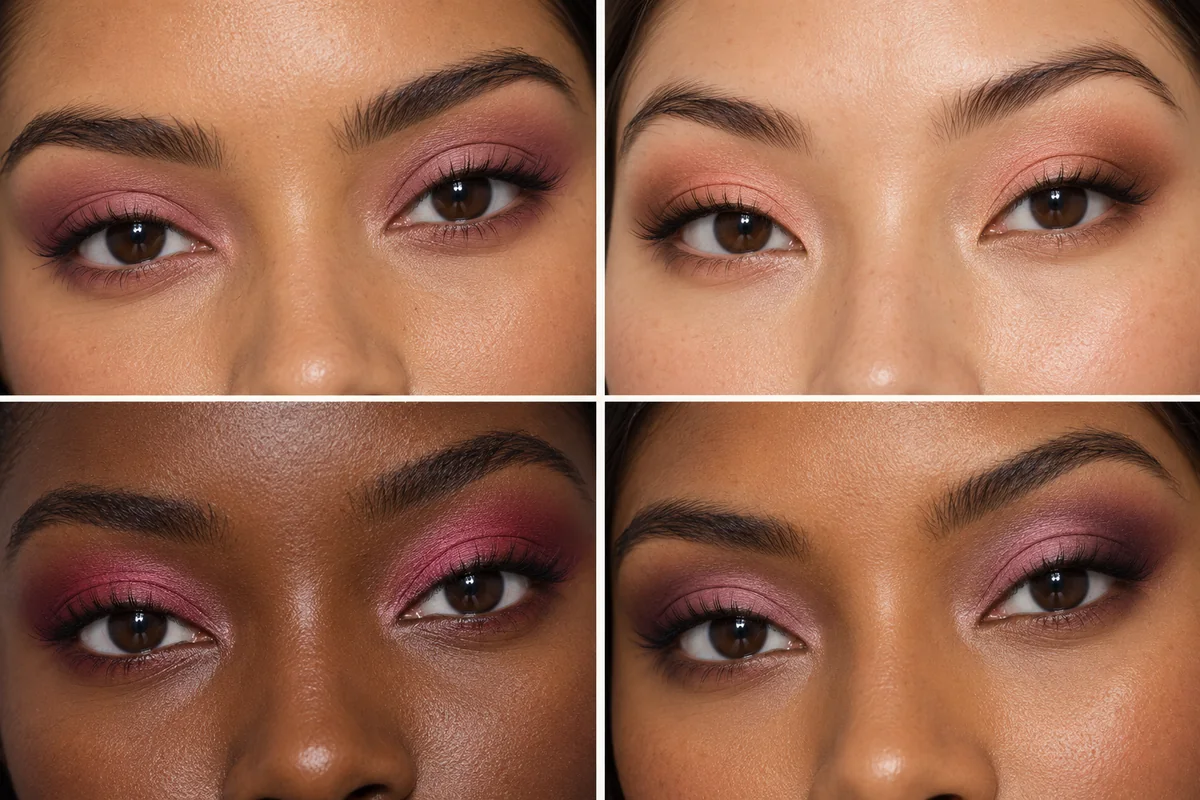
Start here: For a subtle look, use a muted rose on the lid and a slightly deeper neutral brown at the outer corner. For more color, choose raspberry or berry and leave the inner lid lighter. Keep the first layer small so you can adjust its placement before building intensity.
What you need, and what you can skip
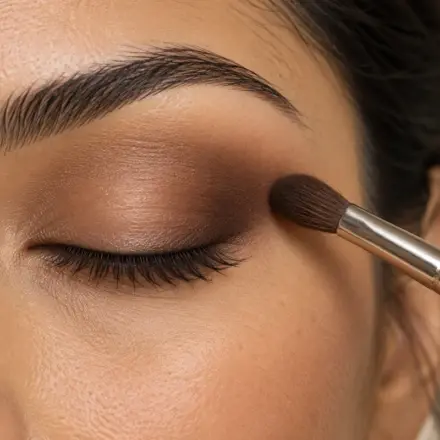
Gather an eye primer if you use one, one pink shadow, a neutral brown, mascara and two brushes: a flat brush for placing color and a fluffy brush for softening edges. A small detail brush helps with narrow areas. Liner, shimmer and false lashes are optional, rather than requirements for a finished look.
Before choosing a bright pigment, read its intended-use label. Not every pink face pigment is suitable for the eye area. Use products intended for eyes and keep applicators clean; see the FDA eye cosmetic safety guide. Do not substitute lip liner for eyeliner.
10 pink eyeshadow looks with shade recipes
1. Sheer rose wash
Palette: Muted rose + soft brown. Sweep rose over the mobile lid, stopping before the brow. Blend only the perimeter, then add brown sparingly at the outer lash line. Finish with mascara. Keep the pink layer sheer for a soft finish, or build a second thin layer if it disappears against your lid.
2. Dusty pink with taupe definition
Palette: Dusty rose + neutral taupe. Place taupe at the outer third and pink across the center and inner lid. Blend where they meet without dragging taupe across the entire pink area. This is a useful option if warm pinks turn too orange on you.
3. Peach-pink everyday eyes
Palette: Muted peach-pink + warm brown. Press peach-pink over the lid and use warm brown to define the outer corner. Keep the brown low and close to the lashes for a lighter result. Pair with softly defined brows and a lip color near your natural lip depth.
4. Rose-gold center lid
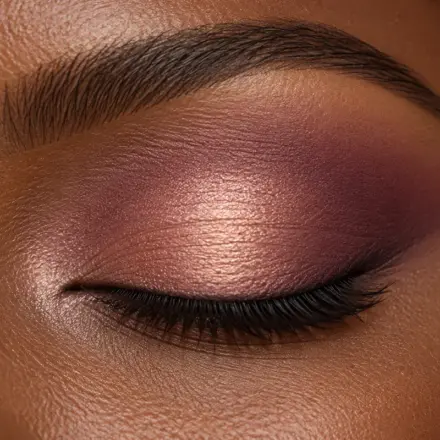
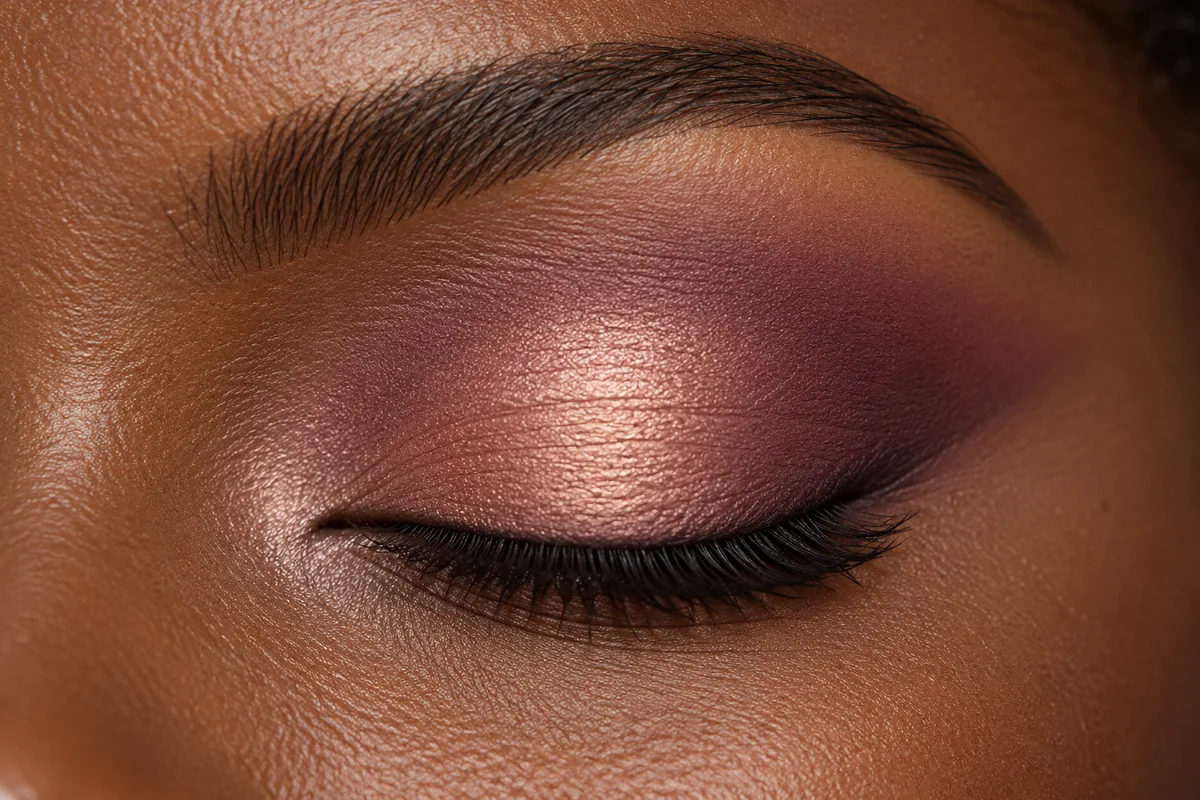
Palette: Matte rose + eye-area satin rose gold. Build the matte shape first, then press a small amount of satin color onto the middle of the lid. Leave the outer corner matte so the center catches the light. Skip loose glitter; a smooth satin finish can give dimension without large particles.
5. Mauve pink with plum depth
Palette: Mauve pink + plum. Place mauve over the visible lid and add plum in a small outer-corner wedge. Blend the plum toward the center a little at a time. If it looks bruised rather than deliberate, reduce the lower-lash shadow and give the upper lash line a clearer edge.
6. Raspberry statement lid
Palette: Raspberry + neutral brown. Press raspberry onto the lid with a flat brush, then use a clean brush to diffuse the boundary. Add brown only where you want depth. Keeping most of the pigment above the upper lashes creates a bold look without surrounding the entire eye in pink.
7. Pink and chocolate outer corner
Palette: Medium rose + chocolate brown. Place chocolate along the outer upper lashes and blend it slightly upward. Add rose across the remaining lid. This creates a clear light-to-dark transition and works when you want a more defined eye without using black shadow.
8. Pastel pink with a soft brown wing
Palette: Pastel pink + brown eye pencil. Tap a thin layer of pink onto the lid, then sketch a short brown wing with your eyes open. Keep the line narrow so it does not cover the pink. If the pastel looks chalky, use less opaque color or switch to a deeper rose.
9. Pink halo with a satin center
Palette: Deep rose + lighter satin pink. Add deep rose to the inner and outer lid, leaving a small central space. Press lighter pink into that space and soften the joins. Keep product away from the tear duct and do not extend the inner dark area farther than feels comfortable for your eye shape.
10. Berry evening eye
Palette: Berry + espresso + rose satin. Build berry over the lid, deepen only the outer lash line with espresso and add a small rose-satin highlight at the center. Start with the top lid; decide whether any lower-lash color is needed after looking at the complete face.
Make the placement work on your eyes
If your lid folds cover the color: Look straight into a mirror with relaxed brows. Mark where a little pink remains visible above the fold, then blend toward that point. Keep the outer edge compact until you have checked both eyes.
If your lid space is small: Choose a thin layer of one pink and keep dark shadow close to the upper lashes. A very wide dark crease can swallow the lighter shade.
If the pink barely shows: Try a richer rose or berry rather than adding many layers of pale shadow. The color in the pan is not a guarantee of the color on your eyelid. Test a small area and judge the visible result.
Three common blending problems
- The whole eye looks muddy: Use separate brushes for placing pink and blending brown. Add the brown in a small area and keep it there.
- The edge spreads too far: Remove a little color at the boundary, then rebuild with a smaller brush. More blending is not always the answer.
- The look feels too red: Try mauve or a more neutral rose, keep the lower lash line lighter and define the upper lashes with brown liner.
For the rest of your face, choose one of two directions: keep the base sheer with our How to Create a Natural Makeup Look for Everyday Wear, or use How to Choose the Right Foundation for Your Skin Tone to improve a base shade that distracts from the eye look.
Choose your next makeup guide