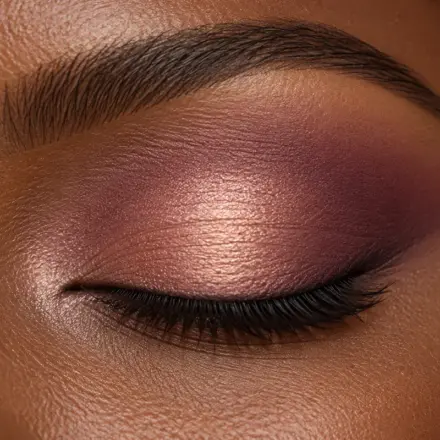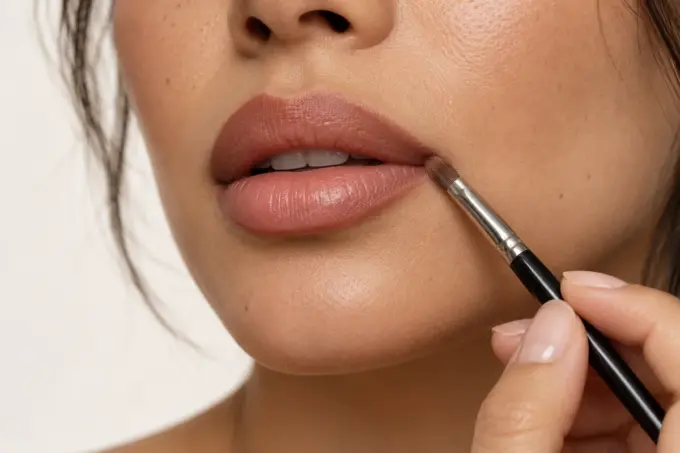
Mauve and rose lipstick looks can be soft, polished or dramatic depending on three choices: how deep the shade is, how much brown or purple it contains and whether the finish is sheer, satin or matte. A lipstick called “rose” may look peachy on one person and berry-toned on another. Start with the color on your lips rather than the name on the tube.
Table Of Content
- What is the difference between mauve and rose?
- Choose depth before choosing a matching liner
- Six mauve and rose lipstick looks to try
- 1. Blurred dusty rose
- 2. Brown-mauve with a softly blended outline
- 3. Satin rosewood
- 4. Glossy neutral mauve
- 5. Muted berry-rose stain effect
- 6. A defined cool mauve
- A five-step application method
- Fix a shade that almost works
- Common questions
- Do I need a separate liner for each lipstick?
- Can mauve lipstick work with a warm eye look?
- How should I choose a shade for deeper natural lip pigmentation?
- What should I do if a lip product irritates?
- Find your mauve or rose shade by undertone
- How to pair mauve and rose lips with eyes and cheeks
- Application steps that help mauve and rose lipstick last longer
- Common mistakes to avoid with mauve and rose lipstick
- More questions about mauve and rose lipstick
- Which mauve and rose lipstick looks suit fair skin best?
- Can rose lipstick work on deeper skin tones?
- Should I choose matte or satin for a long day?
- How do I wear mauve lipstick to work without looking too formal?
- What if a lip product causes irritation again?
This guide focuses on six wearable combinations and a repeatable way to adjust them. It describes color families and application choices, not specific products or tested wear times.
What is the difference between mauve and rose?
Mauve usually describes a muted pink with a purple, gray or brown influence. Rose usually suggests a pink-red direction, but it can range from warm dusty pink to deeper rosewood. These are flexible makeup labels, not standardized color measurements.
Compare the shades next to each other. A brown-leaning mauve often feels quieter than a violet-leaning mauve at the same depth. A rosewood shade usually has more depth and brown than a pale rose. That difference matters when you want a lip that remains visible beside stronger eye makeup.
Choose depth before choosing a matching liner
Look at your natural lip color in neutral daylight. A shade close in depth can create a subtle result; a lighter shade creates a more noticeable contrast; a deeper one creates definition. None of those outcomes is wrong. Decide which you want before changing liner or adding gloss.
If a pale pink seems chalky, a deeper rose can be a better starting point than a heavy dark outline. If mauve looks too gray, compare a warmer rose-brown. If a rosy shade looks much brighter on your lips than in a swatch, try a sheer layer first.
- Sheer finish: Lets more natural lip color influence the result and makes a soft edge easier.
- Satin finish: Gives a defined color with some reflection, useful for a polished everyday look.
- Matte finish: Emphasizes the shape and depth of the color. Use thin layers rather than trying to cover texture with more product.
- Gloss topper: Changes reflection and can soften the appearance of a strong color boundary. It does not correct an unsuitable base shade by itself.
Six mauve and rose lipstick looks to try
1. Blurred dusty rose
Color direction: A muted medium rose with a sheer or satin finish. Apply a little to the center of the lips and spread it toward the edges with a clean lip brush. Keep the outline soft. If your natural lip border is uneven in color, add matching liner only where you want more definition.
Pair with a simple base and lightly defined lashes. Our natural everyday makeup guide keeps the surrounding face similarly understated.
2. Brown-mauve with a softly blended outline
Color direction: Muted pink-brown lipstick and liner at a similar depth or slightly deeper. Trace a light outline, then blend the liner inward before adding lipstick. The join should look gradual rather than like a separate dark ring.
Use the principles in our brown liner and nude lipstick combinations to compare depth, while keeping this version visibly mauve rather than beige.
3. Satin rosewood
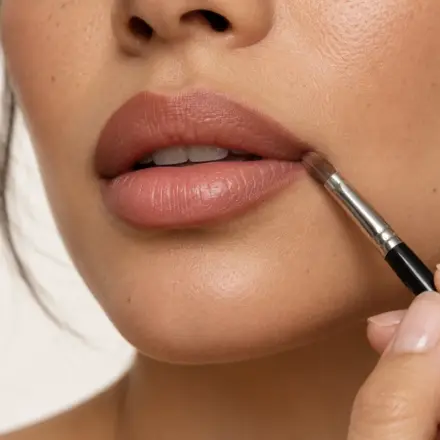
Color direction: A deeper rose with a brown influence. Apply a thin, even coat and refine the corners with a small brush. Choose a liner close to the lipstick if you want a clean outline without an ombré effect.
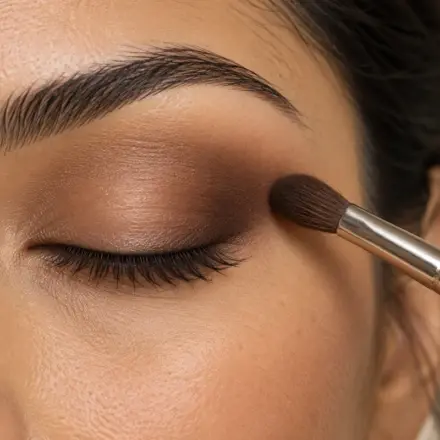
This is a useful direction when a pale rose disappears beside your natural coloring. It also pairs easily with a soft brown smokey eye: adjust the eye intensity so both features remain deliberate.
4. Glossy neutral mauve
Color direction: A neutral mauve base with a clear or coordinating gloss. Complete the base first, then add a small amount of gloss. Start in the center and spread only as far as needed. Too much topper can make the outline harder to maintain.
Check the finished color in daylight. A strongly tinted gloss may change the shade enough that you no longer need the original lipstick underneath.
5. Muted berry-rose stain effect
Color direction: A deeper berry-rose used in a light layer. Press on a little color, blend and blot gently if the formula allows. Add another small amount to the center for more depth, leaving the boundary softer.
This is a styling effect, not a claim that every lipstick performs like a dedicated lip stain. Check the product directions and expect touch-ups rather than assuming a particular wear time.
6. A defined cool mauve
Color direction: A mauve that leans violet or cool pink with a matching liner. Keep the outline close to the natural lip border, then fill with a thin layer. A cool shade can be a deliberate contrast; you do not need to warm every part of your makeup to compensate.
Keep the rest of the face simple on your first attempt so you can judge the lipstick clearly. If the result feels too gray, move toward a less muted pink rather than adding layers of the same shade.
A five-step application method
- Prepare gently. Start with clean lips. If you use balm, let it settle and blot excess if the surface is slippery. Avoid scrubbing irritated or cracked skin.
- Test a thin lipstick layer. See how the shade interacts with your natural lip color before committing to a full outline.
- Add liner where it helps. Use light strokes and blend inward. For a soft look, you may need definition only at the corners or parts of the border.
- Build the finish. Add a second light layer or a little gloss. Keep product away from the inner wet edge where it can collect.
- Check the full face. Look in neutral light and relax your mouth. Compare the lip with your blush and eye makeup, then make one adjustment at a time.
Fix a shade that almost works
- Too pale: Try a deeper lipstick or a sheer application that allows more natural color through. A much darker liner can emphasize the mismatch.
- Too purple: Compare a brown-leaning mauve or warmer rose. Use less of the original shade before adding another product.
- Too bright: Apply a lighter layer and soften the edge. Judge it beside the whole face before deciding that the undertone is wrong.
- A visible liner ring: Blend the liner inward and add lipstick across the join. Start with shades closer in depth next time.
- Patchy matte color: Remove the uneven layer gently and reapply less. More lipstick over a thick patch can make it more obvious.
Common questions
Do I need a separate liner for each lipstick?
No. A versatile liner near your natural lip color or a shade close to the lipstick can serve several looks. Compare the final blend, not the number of products.
Can mauve lipstick work with a warm eye look?
Yes. Try a muted mauve with a small warm lid accent, then check the balance in daylight. Keep one feature softer while you decide how much contrast you enjoy.
How should I choose a shade for deeper natural lip pigmentation?
Consider a lipstick with enough depth to give the result you want, and test coverage in a thin layer. A sheer rose and an opaque pale pink can behave very differently even when their packaging looks similar.
What should I do if a lip product irritates?
Stop using it and remove it gently. Follow the product directions, keep applicators clean and avoid sharing lip products. Persistent irritation needs appropriate professional advice rather than more makeup layered over it.
Find your mauve or rose shade by undertone
Finding mauve and rose lipstick looks that flatter you starts with undertone, not with the name on the tube. Undertone is the quiet colour beneath your skin, and it decides whether a mauve reads as soft and rosy, dull and grey, or unexpectedly purple. Start by looking at your bare lips and the skin around them in neutral daylight, because shop lighting and phone cameras can push a shade warmer or cooler than it really is.
- Cool undertone: Choose mauves that lean violet or blue-pink, and roses that stay clear rather than orange. If silver jewellery usually looks more harmonious than gold, a cool mauve is a useful first test.
- Warm undertone: Choose mauves with a brown or warm rose influence, and roses with a soft peach or terracotta hint. If gold jewellery usually looks more harmonious than silver, a warm rose is a useful first test.
- Neutral undertone: Try a balanced mauve that is neither strongly violet nor strongly brown. Neutral skin often takes both rose and mauve well, so depth and finish matter more than undertone alone.
- Deeper skin or olive tones: Do not judge a shade only by how light it looks in the tube. A deeper rosewood or berry-mauve often reads more clearly than a pale mauve, and a sheer pale shade can look ashy if it is lighter than your natural lip colour.
Test any candidate on the lips, not only on the back of your hand, because hand skin and lip colour change the result. Wear it for at least an hour, check it in daylight, and look at it beside your usual blush and eye makeup before you decide. The vein test can be a starting point, but it is not reliable on its own, especially for deeper or olive skin, so treat it as a hint rather than a rule. These steps help mauve and rose lipstick looks stay flattering in real light, not only under a shop mirror.
How to pair mauve and rose lips with eyes and cheeks
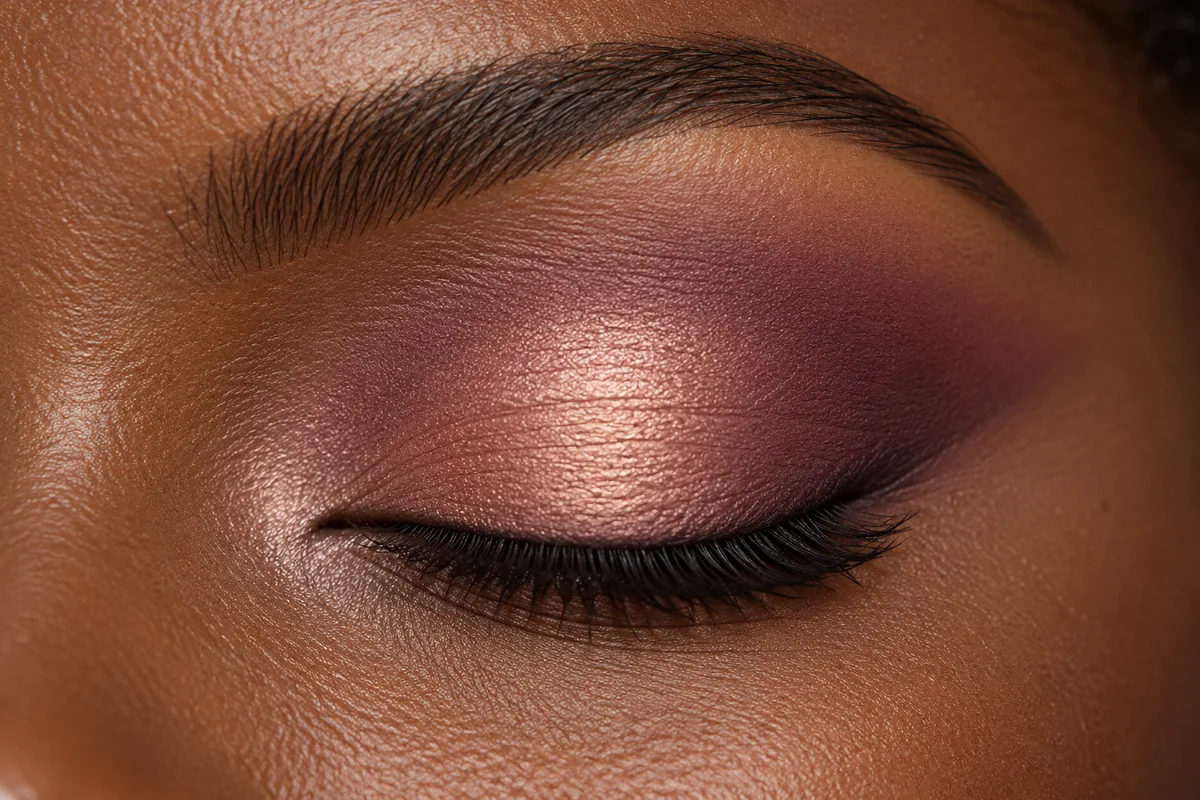
Once you have found mauve and rose lipstick looks that suit your undertone, keep the rest of the face in the same colour family. A soft pink or dusty rose on the eyes usually works better than a strong contrasting eye, because it lets the lip colour stay the focus without making the whole face look busy. For coordinated eye ideas, see our pink eyeshadow looks, and choose the lightest wash first if you are new to pink lids.
Blush needs the same restraint. A peach or dusty rose blush placed lightly on the apples of the cheeks can warm the face, but a bright pink blush beside a strong mauve lip can quickly look heavy. Our guide to peach and dusty rose blush looks shows placement ideas that keep colour soft and blended. Step back, check the balance in daylight, and remove a little blush or eye colour before you add more lipstick.
Application steps that help mauve and rose lipstick last longer
Long wear for mauve and rose lipstick looks is usually about thin layers and a prepared base, not about applying more product at once. Start with smooth, clean lips, blot away excess balm, and apply a light lip liner over the whole lip if you want extra grip. Then apply one thin coat of lipstick, blot gently with tissue, and add a second thin coat only where colour is uneven.
- Keep product away from the inner wet edge of the lips, where it collects and transfers most easily.
- Let each layer settle for a minute before drinking or eating, and avoid rubbing the lips together while a matte coat is still setting.
- Carry the lipstick for a small centre-of-the-lip touch-up after a meal, rather than reapplying a full heavy coat over the old one.
- For gloss, press a small amount into the centre and blend outward, so the edges stay defined and the colour does not slide.
Common mistakes to avoid with mauve and rose lipstick
Most mauve and rose lipstick looks fail for fixable reasons, not because the colour family is wrong for you. Check these mistakes before you buy another shade, because a small change in depth, finish or balance often solves the problem.
- Choosing by the tube alone: A shade can look different on your lips, where natural lip colour shows through, especially with sheer finishes.
- Over-lining to change the shape: A heavy outline draws attention to the edge instead of the colour. Blend liner inward and keep the outline close to your natural lip line for everyday wear.
- Pairing two strong features: A bold eye, bright blush and a deep mauve lip together can look crowded. Soften one feature and check the whole face in daylight.
- Skipping a wear test: Matte mauves can settle into lip lines or fade unevenly after eating. Test a shade through a normal meal before you rely on it for an event.
- Using one shade for every occasion: A soft daytime rose and a deeper evening mauve serve different purposes, and trying to make one tube do both can leave both looks feeling slightly off.
More questions about mauve and rose lipstick
Which mauve and rose lipstick looks suit fair skin best?
Start with a soft dusty rose or a light neutral mauve, and test it in daylight before buying a deeper shade. Fair skin often shows contrast quickly, so a sheer or satin finish can be easier to wear than a very opaque matte at first.
Can rose lipstick work on deeper skin tones?
Yes, if the shade has enough depth. A rosewood, berry-rose or deep mauve usually reads more clearly than a pale rose that is lighter than your natural lip colour. Test depth first, then decide whether you want a satin or matte finish.
Should I choose matte or satin for a long day?
Satin is often more forgiving for a long day, because it is easier to touch up without removing the whole layer. Matte can last well, but it needs thin layers, a prepared base and a small touch-up after meals to avoid uneven fading.
How do I wear mauve lipstick to work without looking too formal?
Choose a muted mauve close to your natural lip depth, keep the eye simple, and use a soft blush rather than a bright cheek colour. A satin finish usually looks polished without feeling like an evening look.
What if a lip product causes irritation again?
Stop using it, remove it gently, and avoid layering more makeup over irritated skin. The U.S. Food and Drug Administration cosmetics information is a useful general reference for cosmetic safety, and persistent irritation should be checked by a health professional rather than covered up.