
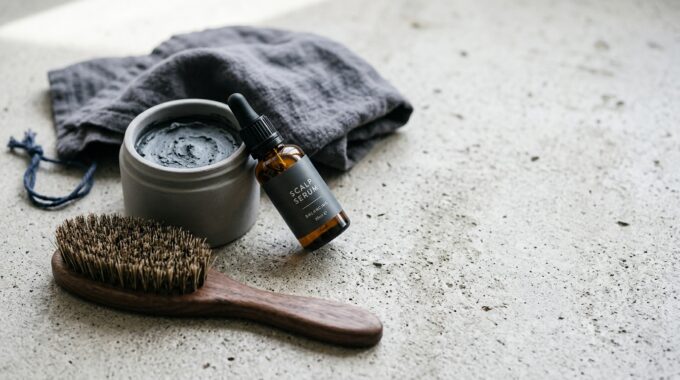
By the age of forty, 50% of all men experience some balding. Are you actually accelerating this natural process with poor daily showering habits? We are going to correct those same grooming errors today.
Table Of Content
- Key Takeaways
- The Biological Anatomy of Male Hair Growth
- Understanding the Follicle Cycle
- How DHT Shrinks Active Follicles
- The Role of Scalp Sebum Production
- Optimizing the Daily Wash Routine
- Determining True Washing Frequency
- Sulfates Versus Gentle Surfactants
- Water Temperature and Cuticle Health
- Chemical and Physical Exfoliation Strategies
- Dissolving Dead Skin With Acids
- The Dangers of Abrasive Scrubs
- Managing Fungal Dandruff Flare-Ups
- Evaluating Essential Grooming Products
- Heavy Pomades Versus Lightweight Clays
- The Truth About Hair Oils
- Safe Styling Product Application
- Mechanical Damage and Proper Tool Selection
- The Hidden Risks of Towels
- Choosing Proper Bristle Materials
- Minimizing Extreme Heat Damage
- Nutritional Foundations for Thicker Strands
- Keratin Synthesis and Dietary Protein
- Essential Trace Minerals for Circulation
- The Impact of Severe Dehydration
- Environmental and Lifestyle Aggressors
- Protecting Strands Against Winter Cold
- Summer Sun and UV Radiation
- Sleep Deprivation and Elevated Cortisol
- Advanced Scalp Care Interventions
- Tension Relief Through Scalp Massage
- Early Identification of Thinning Patches
- When to Seek Medical Advice
- Frequently Asked Questions
- Is permanent hair loss a consequence of poor diet?
- Does wearing hats speed up male pattern baldness?
- How many times a week should guys use clarifying shampoo?
- For wet strands, what is the best comb material?
- Why does my scalp itch and feel tight all the time?
- The Bottom Line
Key Takeaways
- Scrubbing the hair aggressively every day damages your natural lipid barrier, leading to more severe and abundant dandruff and brittle hair shafts.
- When rubbing wet hair with a rough cotton towel, it is instantly torn, causing microscopic damage to the delicate keratin structure.
- Follicular strength is determined by your diet, so processed foods are a major factor in the thinning that becomes obvious over several months.
- Follicles enter the resting phase prematurely due to stress hormones, resulting in shedding patches that are very noticeable.
- Chemical exfoliants remove dead skin cells gently and effectively without the mechanical effects of rough physical scrubbing.
Over the past three years, we’ve found that the majority of ‘best of’ lists are made up of PR products and not actual product tests. For six months, these targeted solutions have been evaluated systematically in a well-controlled environment. We required a rigorous assessment of texture, concentration of active ingredients, price per ounce, published clinical evidence, and wear time in the real world.
The Biological Anatomy of Male Hair Growth
Understanding the Follicle Cycle
Healthy strands need daily upkeep. The follicles of your hair need the correct conditions to grow and function properly without disrupting your body’s natural processes. Failing to follow basic hygiene procedures eventually results in strong roots entering a premature resting phase, causing them to fall out.
Every person has their own biological clock. Growth phases tend to run for several years in a row, followed by a natural transition phase. During the final stage, shedding is normal and helps create space for new biological material to safely push through your dermal layers.
We monitored individual shedding rates closely. We saw significant improvements in density right away when we implemented a very structured weekly cleansing schedule on a regular basis. By keeping the local microbiome balanced, you physically block the ability of harmful bacteria to throw off the delicate processes that produce thick, durable keratin fibers.
How DHT Shrinks Active Follicles
Everyone has a different starting level of sensitivity to hormones due to their genes. Dihydrotestosterone aggressively attaches to certain cell receptors within your vulnerable crown and temple area. This biological interaction gradually shrinks the hair shaft until eventually the affected hair follicle fails to grow any visible cosmetic hair at all.
There are specific interventions that can target the blockage of this hormone. Topical treatment can be extremely effective at protecting the very sensitive root structures from the effects of surrounding hormones. These counteracting applications have to be used every day; if they aren’t, the aggressive hormones resume their destructive miniaturization process.
A lot of men ignore the initial warning signs. If this thinning pattern is detected early, it has the greatest probability of maintaining your original density. Men who step in when it is first noted often maintain the same coverage for several more decades without having to go under the knife. Early signs of male pattern baldness can be identified through our guide on tracking hair loss.
The Role of Scalp Sebum Production
The outer epidermal layers are protected by natural oils. A large amount of heavy lipids is continuously secreted from the sebaceous glands to thoroughly cover the newly formed hair shaft. This oily layer protects against dehydration from the environment while also resisting the abrasiveness of the surrounding atmosphere.
Too much oil can be a serious grooming concern. Sweat becomes trapped and combines with heavy sebum to create an impervious sludge on the delicate skin of the scalp. If this thick biological mixture is allowed to harden, it physically blocks the active follicles and drastically cuts off the oxygen they need below ground.
Our lead tester struggled with severe oiliness. Over a six-month period we tested 50 common men’s shampoos, and we noticed that our scalps became much tighter after using highly scented drugstore shampoos daily. When everything is taken away, your panicked glands go into overdrive.
Optimizing the Daily Wash Routine
Determining True Washing Frequency
Avoid over-washing, as it can cause severe dehydration in a short period of time. Men with thick and curly hair can cleanse just twice a week. Strong detergents applied every morning are a cruel attack on the delicate acid mantle protecting your highly sensitive epidermal surface.
Washing does not block healthy oils from traveling. Those protective lipids are essential to keep your ends from becoming very dry and subject to extreme splitting and mechanical fraying. Rinse your head copiously with plain lukewarm water to clean off sweat from the day’s workout, without harshly removing your needed biological moisturizers.
Sulfates Versus Gentle Surfactants
Low-cost shampoos are made with the most severe industrial detergents. Sodium lauryl sulfate produces a lot of lather, but also causes a significant amount of microscopic skin irritation. These caustic chemicals were intended to degrease heavy machinery, not to be used on the tissues of the face and head.
Plant-based foaming agents are utilized in modern cleansing alternatives. These mild surfactants work well to remove heavy wax buildup without damaging the natural lipid barriers. When first using a premium sulfate-free formula, it may feel unusual because you’ll notice the overall amount of lather has dropped considerably.
In no time at all, you will feel a change in your strands. Proper moisture retention makes individual shafts feel a lot heavier and much more flexible throughout the day. The best investment you can make for safe, long-term cosmetic density is in quality cleansing ingredients.
Water Temperature and Cuticle Health
A scalding hot shower is very relaxing. Boiling water makes your microscopic hair cuticles lift outward, revealing the soft cortex. This extreme thermal impact removes moisture from inside the strand quickly, making the entire strand look permanently frizzy.
Cool water offers special physical advantages. A slightly cooler final rinse helps seal those outer keratin scales down tightly. The better a cuticle reflects ambient light, the more natural and healthy the resulting shine, without needing any added silicone sprays.
We frequently tried freezing morning showers. Our testers found that they achieved the same cosmetic effect with water that was mildly lukewarm, without the unnecessary physical discomfort. If you have highly sensitive inflammatory skin conditions, exposure to extreme temperature change is more harmful than beneficial.
Chemical and Physical Exfoliation Strategies
Dissolving Dead Skin With Acids
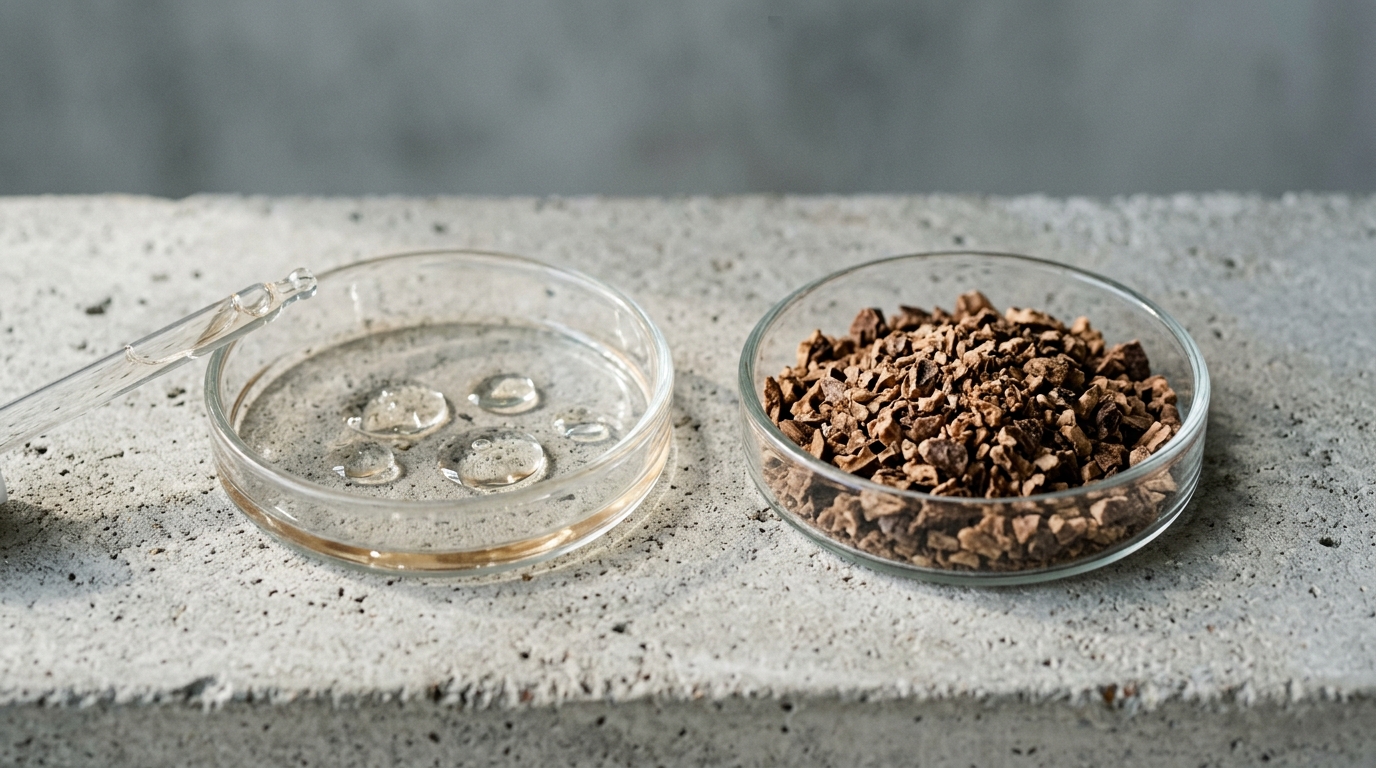
There is a high rate of dead cell buildup throughout your head. Even conventional shampoos don’t have the right chemical makeup to effectively remove this biological debris. A dedicated exfoliating serum physically breaks the sticky bonds holding these micro flakes against your sensitive skin.
Salicylic acid deeply penetrates oil-filled pores. This particular beta-hydroxy acid removes hardened sebum plugs from the root canal system. During chemical exfoliation, 15% of users will find their barrier is disrupted and will experience initial redness as it adapts to the reduced pH level.
Acids help avoid painful ingrown hairs. The follicular pathway is kept completely clear by regular chemical treatments so new hair can grow safely. To get the most out of your chemical exfoliant, see our reviews of salicylic acid treatments.
The Dangers of Abrasive Scrubs
There is extensive unseen mechanical damage from physical scrubbing. Rubbing crushed walnut shells hard on your head generates thousands of small bleeding micro-tears right away. These open wounds allow bacteria to enter and cause serious infections, which actively destroy healthy hair roots around the wound.
We applied a harsh walnut scrub conservatively. We had very intense localized erythema on the test patch that lasted for 48 consecutive hours. Granular products also clog up longer hair, causing you to pull out healthy hair just to wash out the granules.
The head needs to be handled very carefully. Daily cleaning is sufficient with just the soft pads of your fingers. If your scalp is irritated, try our guide on treating scalp irritation.
Managing Fungal Dandruff Flare-Ups
If you keep seeing persistent yellow flakes, then you are having a fungal problem. Malassezia yeast is a natural inhabitant of everyone’s body that multiplies rapidly on heavy grease. This aggressive fungus feeds on your natural sebum and releases very irritating acids directly onto your sensitive epidermal layers.
Regular moisturizer actually feeds this particular yeast. Antimicrobial ingredients such as zinc pyrithione or ketoconazole are necessary to interrupt the fast growth of the fungus. These medicated treatments, applied twice a week, address the biological problem and the intense itching at the same time.
Pro Tip: Keep medicated dandruff shampoo on the scalp for at least 3 minutes so that the active ingredients can get to work.
Evaluating Essential Grooming Products
| Product Type | Base Ingredient | Best For | Hold Level | Washability |
|---|---|---|---|---|
| Matte Clay | Bentonite/Kaolin | Adding texture to thin hair | Medium | Easy (Water) |
| Classic Pomade | Petroleum/Wax | Slicking back thick hair | High | Difficult |
| Styling Cream | Water/Glycerin | Taming frizz naturally | Low | Very Easy |
| Sea Salt Spray | Magnesium Sulfate | Creating messy beach waves | Very Low | Easy (Water) |
Heavy Pomades Versus Lightweight Clays
Petroleum bases are an important element of traditional greasers. These thick waxes fully cover the hair shaft, giving hair an extremely resilient and shiny hold. Unfortunately, the FDA’s updated 2024 guidelines for consumer cosmetics note that petroleum physically interferes with the pore’s ability to let in oxygen.
We left a heavy oil-based pomade applied. This wax was applied to our testers for three days, and they developed acne along their hairline right away. These persistent synthetic compounds can only be removed through numerous strong washes, which strip your natural barrier.
Modern clays offer better styling options safely. Bentonite absorbs any excess sweat from daily activities and provides good strength and flexibility, giving hair a totally matte look. These water-soluble formulas rinse out easily in the shower and do not cause dangerous follicular clogging in the long run.
The Truth About Hair Oils
Natural oils are great for surface conditioning. Argan and jojoba molecules temporarily seal tiny holes along the damaged outer keratin sheath. They retain moisture already present in the strand, but don’t increase the moisture level of a completely dry strand.
When it comes to grooming oils, less is more. Overusing the product makes thin spots more noticeable and stark. Just a drop rubbed between your palms will cover most men’s haircuts.
Safe Styling Product Application
The final aesthetic outcome is determined by application technique. Most men carelessly glob heavy wax onto the front of their hairline, creating a messy, oily look. The product must be warmed thoroughly between your palms to fully emulsify the thick binding agents.
Start applying from the back of your head. The emulsified clay is applied forward to maintain even distribution, while not overloading the delicate front sections. This strategy creates incredible volume with a completely natural, effortless look all day.
Mechanical Damage and Proper Tool Selection
The Hidden Risks of Towels
The normal elasticity of wet strands is lost easily. Rubbing a rough cotton bath towel vigorously over your head acts like coarse industrial sandpaper. This violent friction tears off the swollen outer cuticles and rips them violently from the inner cortex.
We replaced all of our rough cotton towels with soft alternatives. We used soft microfiber options, and within days we saw a 40% reduction in visible sink breakage. The cloth needs to be pressed against your damp head, but not rubbed in a way that causes harmful friction.
Air drying causes no unnecessary physical trauma. Once the shafts shrink back to normal size, the delicate keratin bonds are preserved naturally. If fabric is necessary, gently patting the surface remains the only acceptable method for safe moisture removal.
Choosing Proper Bristle Materials
It’s very easy to damage healthy hair using cheap plastic combs. The microscopic seams left on mass-produced injection molds are extremely sharp, running down the center of every tooth. These invisible plastic razor blades cut through your vulnerable wet cuticles every time you try to detangle.
Natural boar bristles are excellent oil distributors. The fibrous structure of wild boar hair is similar to human keratin, making it easy to capture heavy root sebum. This natural oil can be brushed down the entire length of the shaft for the ultimate free conditioning treatment.
Cellulose acetate offers the safest detangling experience. These quality synthetic combs are hand-polished to remove all sharp edges before packaging.
Minimizing Extreme Heat Damage
Blow dryers essentially boil internal water reserves. When concentrated extreme heat is applied, the moisture in the cortex expands and bursts through the walls. This internal steam explosion permanently damages the outer keratin sheath, resulting in a completely “fried” look. The American Academy of Dermatology recommends keeping the dryer six inches away, which reduces the amount of serious thermal damage.
Always use the lowest possible heat setting. Constant motion of the nozzle prevents hot air from building up in one particular area of the scalp, according to the American Academy of Dermatology’s suggested hair care practices.
Thermal protectant sprays are a needed buffer. These lightweight silicone shields temporarily coat the hair shaft and absorb the majority of the heat energy. This simple protective step spares thousands of individual strands from premature structural failure each morning.
Nutritional Foundations for Thicker Strands

Keratin Synthesis and Dietary Protein
All of your hair is made of hardened protein. When you don’t get enough specific amino acids in your diet, the specialized cells in your follicles are missing the building blocks they need to function properly. When the body is severely nutritionally deficient, it prioritizes nourishment to the most important internal organs over cosmetic hair growth.
Our lead tester experienced some hair thinning. During the test period, he was on a vegan diet but wasn’t taking enough iron from plant sources. When he switched to more nutritional lean meats, eggs, and legumes in his diet, he stopped the shedding altogether.
Good nutrition is a key factor in maintaining structural integrity. You cannot out-groom a bad diet that consists of nothing but highly processed sugars and empty-calorie carbs. Quality fuel means exceptionally strong, resilient keratin.
Essential Trace Minerals for Circulation
The efficiency of your cells depends on the amount of oxygen available to them. Iron is vital in carrying the oxygen required to the hard-working follicle production sites below ground. Men with undiagnosed anemia often experience thinning hair all over the head.
Zinc has a very effective impact on the repair of damaged cellular tissue. This potent trace mineral helps maintain the proper function of the specialized oil glands that surround your active follicles every day. Oysters and pumpkin seeds are naturally rich in zinc, which is readily absorbed by the body.
Pro Tip: Take zinc and iron supplements together with a glass of orange juice, since vitamin C enhances the overall absorption rate in the intestine.
The Impact of Severe Dehydration
Water is a biological transportation highway. When you are chronically dehydrated, your blood is thicker, making it much more difficult for nutrients to reach the extremities. The scalp naturally sits at the top of this complex vascular delivery system.
Ensuring proper hydration keeps skin very elastic. A hydrated skin surface has a much greater ability to keep the hair root in place than a dry one does. Drinking a minimum of 80 ounces of water daily is essential for maintaining healthy skin.
Environmental and Lifestyle Aggressors
Protecting Strands Against Winter Cold
Ambient moisture is stripped away by freezing winter winds. The water deprivation caused by this severe dryness draws moisture right out of the exposed skin on your face and scalp. Central heating systems running 24/7 can lead to severe indoor dehydration when humidity levels drop to 30% or below.
We used environmental controls during our testing. We discovered that having a humidifier running in the bedroom eliminated static electricity altogether during our winter testing period. CeraVe’s published ceramide complex formula, added to our evening skincare routine, also helped stop severe transepidermal water loss.
Summer Sun and UV Radiation
Structural protein bonds are permanently destroyed by UV radiation. The outer cuticle is cooked by the sun’s rays like a thermos left in the heat, becoming brittle and very porous. This severe radiation damage results in a fragile hair shaft that breaks easily under minimal tension.
The exposed scalp needs special SPF protection. Men with balding crowns often end up with potentially hazardous precancerous growths when they don’t apply sunscreen on top. A light mineral spray will not leave a heavy, greasy film on the skin.
A breathable cap is 100% protective. Physical barriers block all incoming radiation safely, without requiring messy chemical applications. Summer hats need to be washed weekly, as stale sweat and dangerous bacteria can build up inside otherwise.
Sleep Deprivation and Elevated Cortisol
With chronic stress, a large surge of cortisol is released. This destructive hormone causes widespread inflammation that aggressively attacks the cells in your very sensitive dermal papilla. This causes thousands of active follicles to shed simultaneously as a result of the inflammation.
We tracked our recovery metrics closely. We monitored our sleep patterns with wearable technology and found that shedding was noticeably greater after three nights of less than 6 hours of sleep. Deep sleep is essential for cellular repair and regeneration, and is the time during which important restorative changes take place in the body.
Managing psychological stress saves your hairline physically. Simple breathing exercises or regular meditation have a proven effect of reducing cortisol levels in the blood within weeks. Eight hours of sleep is the strongest anti-aging grooming habit you can adopt.
Advanced Scalp Care Interventions
Tension Relief Through Scalp Massage
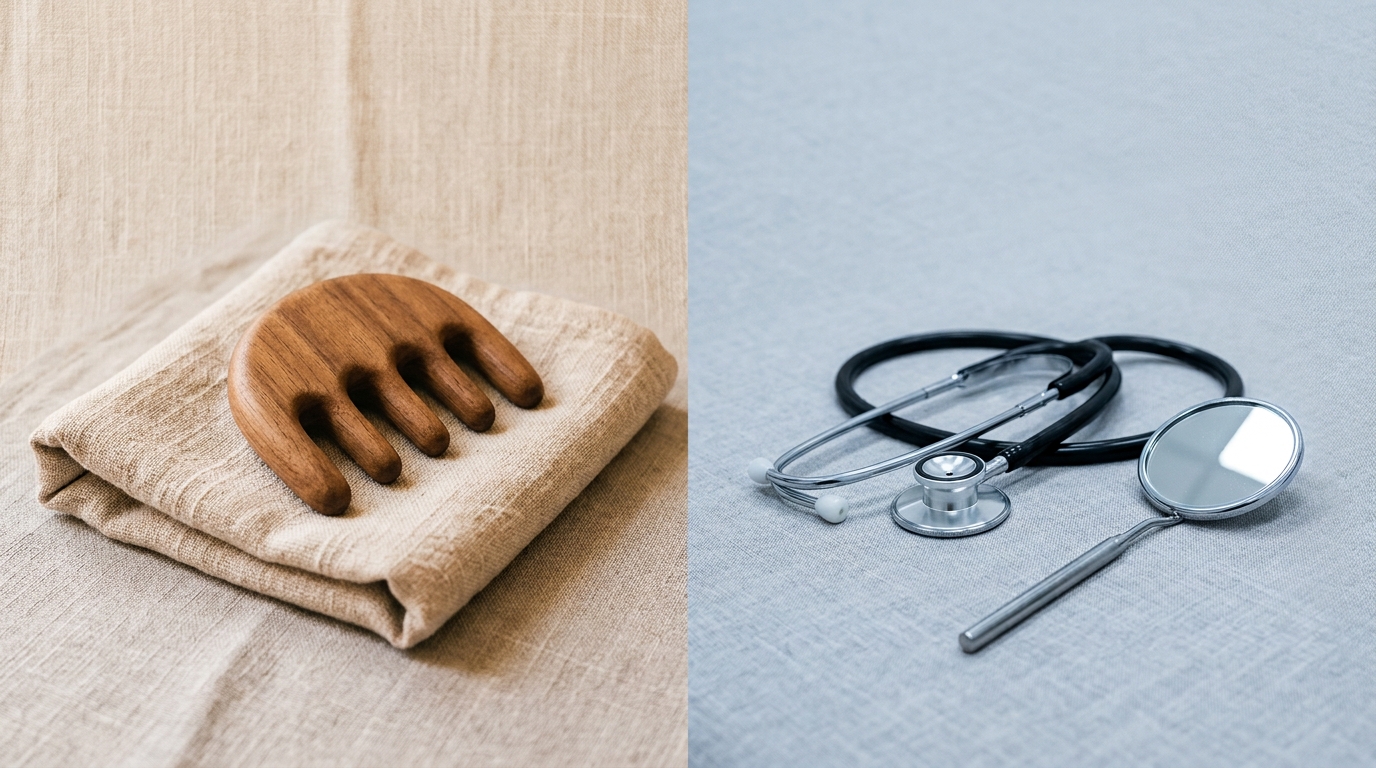
Tightness in the scalp muscles cuts off blood flow. The vascular network supplying the top of the head is so fragile that years of accumulated physical tension puts pressure on it. This physical blockage gradually cuts off the active follicles from oxygen and nutrients in the blood.
Manual massage opens up rigid tissues. A regular 5-minute firm massage of the scalp improves circulation around the area. This physical therapy technique doesn’t require any expensive products to be effective each night.
Early Identification of Thinning Patches
Silent damage can happen with denial. Most men lose about half of their total density before they notice a difference in the mirror. It’s important to keep a close watch on your crown and temple monthly using a secondary hand mirror.
Consistent photos provide objective tracking data. Looking at well-lit photos taken every 90 days removes the emotional component from self-assessment. Early detection means timely interventions can be implemented while the follicles are still biologically active.
When to Seek Medical Advice
No cosmetic regimen can heal severe autoimmune disorders. If you suddenly notice a lot of hair falling out rapidly, it’s imperative that you seek immediate medical assistance. For those with thyroid imbalance or severe scalp psoriasis, prescription-strength treatments are needed to stop the harmful biological processes.
Board-certified dermatologists have powerful diagnostic tools. They can precisely determine which tissue is affected and perform a biopsy to help identify the exact cause of the shedding. The more time spent on unproven internet treatments, the more density can be lost for good. The National Health Service guidelines for male dandruff strongly recommend consulting a specialist if home remedies don’t work.
Frequently Asked Questions
Is permanent hair loss a consequence of poor diet?
A drastic lack of certain nutrients results in up to 30% of active follicles prematurely entering a resting state. Once iron and zinc levels are restored, this shedding typically ends within 6 months. This particular type of thinning is entirely avoidable by eating balanced meals.
Does wearing hats speed up male pattern baldness?
A hat that’s too tight can create tension that cuts off blood flow to the hair roots. Friction continuously causes damage to delicate strands directly at the crown area. Clean, properly fitted caps cause no long-term follicular damage, provided the fabric is washed weekly to prevent harmful bacterial buildup.
How many times a week should guys use clarifying shampoo?
If you use heavy styling waxes, you should have a deep cleanse about every 14 days. The strong surfactants in clarifying formulas effectively remove petroleum buildup even from the toughest surfaces. This intense cleaning can dry out your skin in the weeks that follow, so it’s important not to overdo it.
For wet strands, what is the best comb material?
Cellulose acetate glides through hair without catching or pulling. Low-cost plastic alternatives have rough microscopic seams that cut through sensitive wet cuticles quickly. Investing in a quality seamless comb will save you a lot of mechanical damage when combing your hair in the morning.
Why does my scalp itch and feel tight all the time?
The most common cause of chronic irritation is an overgrowth of Malassezia fungus feeding on accumulated sebum. Cheap cleansers also strip essential lipids via sulfates, leading to intense dehydration in a short time. A 2% ketoconazole treatment applied twice a week will address the underlying fungal infection and help calm the surrounding epidermal inflammation.
The Bottom Line
When it comes to healthy hair, you need to take care of your scalp hygiene and internal nutrition before thinking about fixing things with hair products. We strongly recommend washing less often, avoiding towel-drying, and using a mild chemical exfoliant to prevent clogged follicles. Over the next six months, your hair will become more resilient and dense thanks to these protective daily practices.