
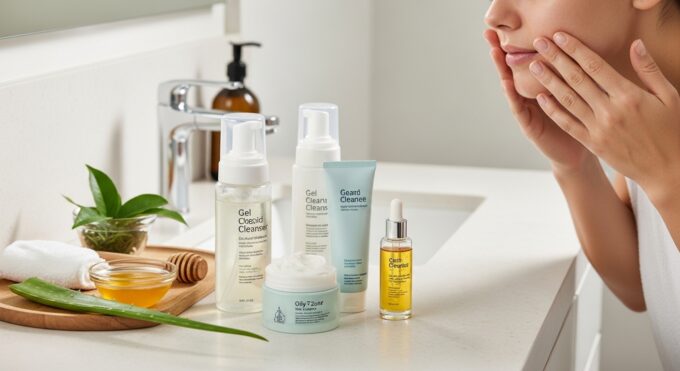
Cleansing Routines for Oily Zones
Cleansing routines for oily zones are essential for anyone struggling with excess oil, shine, and clogged pores. Oiliness is common in many people especially in regions such as T-zone which include forehead, nose and chin that have the highest activity of sebaceous glands. Otherwise, oily spots may result in blackheads, whiteheads, and unbalanced skin that causes frustration and low self-esteem.
Table Of Content
- Cleansing Routines for Oily Zones
- Key Takeaways
- Understanding Oily Zones
- Common Causes of Excess Oil
- Effects of Ignoring Oily Zones
- Daily Cleansing Habits for Oily Zones
- Choosing the Right Cleanser
- Morning Cleansing Routine
- Evening Cleansing Routine
- Avoiding Common Mistakes
- Exfoliation for Oily Zones
- Chemical Exfoliants
- Avoid Harsh Physical Scrubs
- Masks for Oily Zones
- Targeted Treatments for Oily Areas
- Spot Treatments
- Mattifying Serums and Primers
- Oil-Control Moisturizers
- Natural Remedies to Support Oily Zones
- Honey Masks
- Aloe Vera
- Green Tea Compress
- Lifestyle Factors That Support Oily Skin Care
- Diet
- Hydration
- Stress Management
- Sleep
- Common Mistakes That Worsen Oily Zones
- Conclusion
- FAQs
Even though it might sound reasonable to wash hard or apply strict detergents, excessive washing can leave the skin deprived, which provokes even more oil secretion. Cleansing routines for oily zones focus on balancing oil, maintaining hydration, and supporting the skin barrier while effectively removing impurities.
With the help of mild but effective cleansing, specific solutions, and changes in the lifestyle, you can also gain smooth and clear skin without any irritation. This paper will give actionable tips that can be applied in everyday life, exfoliation, herbal solutions and treatment by a professional to ensure that oily areas are controlled successfully and lead to a healthier skin.
Key Takeaways
- Light cleansing helps to avoid overabundance of oil and clogged pores.
- Harsh scrubs are unsafe as opposed to chemical exfoliation in oily areas.
- Shine is controlled by use of clay masks and lightweight moisturizers.
- The factors that affect oil production are diet, hydration, stress management, and sleep.
- Cases of severe or persistent oily skin might require professional treatments.
Understanding Oily Zones
In order to treat the oily skin, it is necessary to know what factors predispose some regions to the production of excessive sebum. The T-zone usually has oily areas, which are the forehead, nose, and chin, as the sebaceous glands are more effective at those places.
The glands make sebum which is natural oil that serves the role of protecting and hydrating the skin but excessive sebum can combine to block the pores, resulting to gloss and causing breakouts.
Common Causes of Excess Oil
Genetics and Hormones: More production of oil can be caused by hormonal changes during puberty, menstruation or stress.
Environmental Factors: The skin can get oily due to humidity, heat, and pollution, and lead to contribution of clogged pores.
Skincare Habits: Skin Over-cleansing with harsh soaps, not applying moisturizers may result in rebound oiliness.
Diet and Stress: Excessive sebum production can be stimulated by high sugar and processed food and chronic stress.
Effects of Ignoring Oily Zones
Unchecked zones are also known to lead to enlarged pores, dullness, blackheads, whiteheads as well as acne. Makeup can be easily slipped away or dissolved, and the general skin tone can become irregular.
Daily Cleansing Habits for Oily Zones
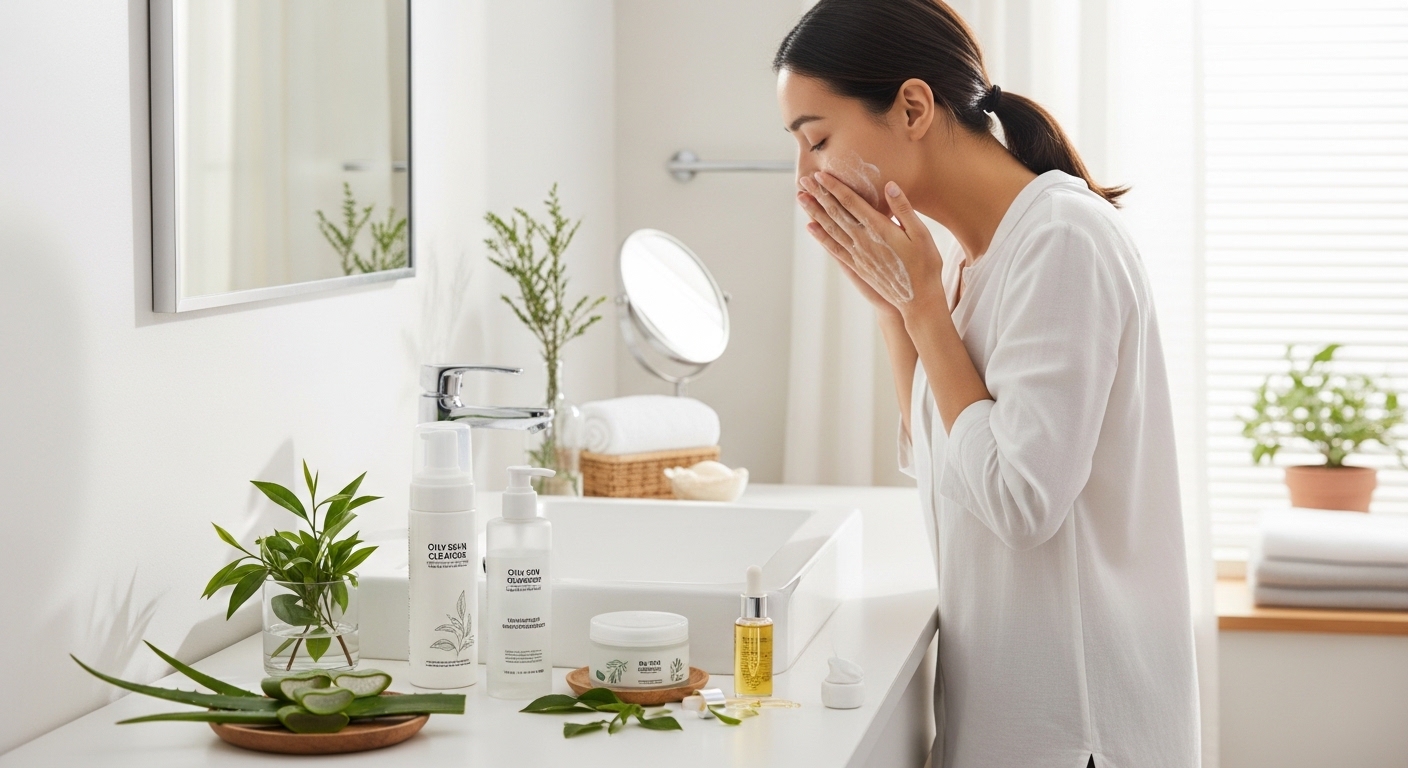
Control of oil is based on a regular washing schedule. Care eliminates the impurities without depriving the skin of moisture that it needs.
Choosing the Right Cleanser
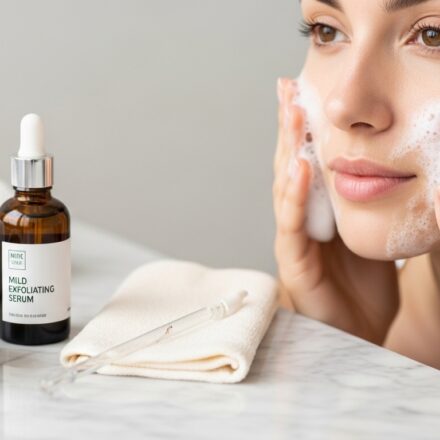
Gel based or foaming cleansers are also good in oily zones as they are effective in getting rid of excess oil. Salicylic acid, niacinamide, or tea tree oil and the like are ingredients that assist in unclogging pores, as well as in controlling sebum. Do not use harsh soaps or high-alcohol cleansers as they can get the skin dry and bring about rebound oiliness.
Morning Cleansing Routine
- Wipe up with a soft gel cleanser to take off the night time oil and sweat.
- Shine can be controlled by use of optional pH-balancing toner.
- Use non-comedogenic moisturizers which are lightweight to be hydrating.
Evening Cleansing Routine
- Take off everything on your face and body to avoid blocking the pores.
- Doubling the cleansing is useful when the makeup is heavy or when there is prolonged exposure to the pollutants of the environment.
- Finally, add a moisturizer or a light serum to replenish the skin barrier.
Avoiding Common Mistakes
- Rough scrubbing may damage pores and make the production of oil worse.
- Failing to use moisturizer may cause excessive production of sebum.
- Application of alcohol-based products can temporarily eliminate the oil and destroy the skin barrier in the long run.
Exfoliation for Oily Zones
She should always exfoliate to get rid of dead skin cells and clogged pores, but it should be gentle to ensure irritation is avoided.
Chemical Exfoliants
- Salicylic Acid (BHA): is an oil-soluble product, penetrates through the pores to dissolve debris, an ideal product to use on the oily and congested skin..
- Polyhydroxy Acids (PHAs): Mild acids that can be used in the delicate parts of the oily skin.
- Wash off 1-3 times a week, and this is based on tolerance.
Avoid Harsh Physical Scrubs
Rough scrubs have the ability to tear the skin, swell pores and stimulate the generation of additional oil. Milder chemical or enzyme substitutes are much safer and more effectual.
Masks for Oily Zones
- Clay Masks: Oil Goodbye Pores.
- Charcoal Masks: Purify and minimize the topical pollution.
- Use masks once or twice a week to stop excess dryness.
Targeted Treatments for Oily Areas
To deal with oily skin, it is not just about being washed up. Although the daily cleansing process eliminates the surplus oil and contaminants, special treatments are relevant in controlling the level of sebum and bettering the skin texture.
These therapies act on individual issues like big pores, shine and pimples, to make the skin look clearer and healthier. They can be effectively used to make oily areas look much better without compromising on the comfort and hydration of the skin.
Spot Treatments
Spot treatments are meant to be used on localized problems like pimples, clogged pores or places of excessive oil production. Spot treatments rather than putting the strong products on the whole face target particular regions where the skin requires extra attention.
Niacinamide
Niacinamide or vitamin B3 is among the most helpful constituents of oily skin and combination skin. It assists in controlling oil production thereby dulling excessive shine during the day. Niacinamide also takes care of the skin barrier and enhances the skin texture as it reduces the occurrence of enlarged pores. In the long run, constant use may result in smoother and finer skin.
Niacinamide has another benefit since it can reduce inflammation. This would be handy to individuals with redness or light breakouts on slick spots. It is mostly well-tolerated across most skin types; hence it can be used in everyday life without any irritation.
Tea Tree Oil or Azelaic Acid
The tea tree oil is commonly referred to as anti-inflammatory and antibacterial. It assists in reducing bacteria that cause the breakouts as well as soothing aggravating skin. Tea tree oil, when used sparingly as a dilution in a formulation skincare product, can be used to treat breakouts and prevent future overcrowding of the oily areas.
Another success treatment to oily or acne prone skin is Azelaic acid. Its mode of action is to exfoliate the contents of the pores gently, decreases the inflammation, and enhances uneven skin tones.
Azelaic acid may as well be used to curb redness caused by breakouts as well as to avoid clog pores. Tea tree oil and azelaic acid can also be used to treat localized breakouts, and thus both can be incorporated into a specific skincare regimen.
Mattifying Serums and Primers
Oily skin is a major issue among individuals of oily skin especially on long days or special occasions. Mattifying serums and primers are meant to keep shine under control and still have a smooth and even complexion. Such products usually include oil-absorbing substances that allow to control the production of sebum during the day.
Non- comedogenic formulations should also be sought when selecting to buy different types of products that facilitate the process of fading on the skin. Non-comedogenic products are not supposed to fill up the pores thus leading to breakout and congestion. It is possible to apply matifying serums on top of a moisturizer to make the skin look less shiny and smooth out the look of pores.
They make the skin look smooth and ready to either be covered with makeup or sunscreen. Primers are used with the same purpose but are normally applied just before applying makeup. They assist in fixing make-up to the skin and prevent the foundation to degrade because of an overload of oil. Mattifying primers can be used to achieve a more refined and durable finish and shine by controlling shine and smoothing the skin surface.
Oil-Control Moisturizers
It is one of the general illusions that many individuals who have oily skin assume that not using a moisturizer will make them less oily. As a matter of fact, more oil could be produced by the skin when it is not hydrated to make up. It is necessary to have balance by moisturizing properly.
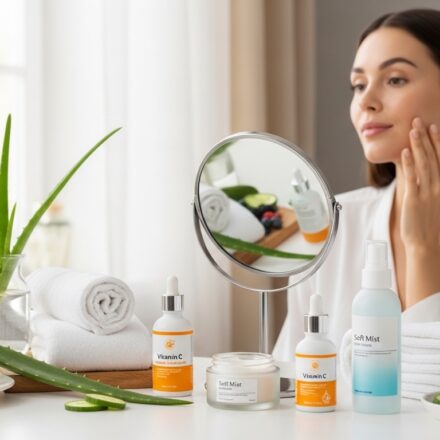
Oil-controlling moisturizers are used in particular to keep the skin moist without causing the skin to get heavy or clogged pores. Formulas that are made of gel are especially good since they are absorbed faster and provide a feeling of being hydrated without leaving behind greasy deposits. Hyaluronic acid, glycerin, and aloe vera among other ingredients are used to offer hydration and make the skin comfortable and cool.
These ingredients maintain the skin barrier and avoid dehydration which otherwise may initiate excess sebum production. The key principle is balance. The more skin is hydrated, the more production of the oil tends to be regulated. This is used to keep the daytime skin clearer and smoother.
Natural Remedies to Support Oily Zones
Certain natural products can be useful supplements to a skincare routine of oily zones. Although they cannot substitute properly developed skincare products, they may be used as a supplement to the routine treatments and have calming effects.
Honey Masks
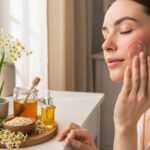
Honey is a natural substance that is known to be antibacterial and moisturizing in properties. By wearing it as a face mask, it aids in pore cleaning as well as being hydrating. Honey promotes nature compared to the dry treatments that dehydrate the skin.
A thin layer of raw honey applied on the face and left on the face and few minutes can be used to soften the skin and lessen the clogged pores.
Antioxidants also present in honey also protect the skin against environmental majorities. Honey can help clean up and smooth out the skin with time as it is a hydrating and antibacterial ingredient.
Aloe Vera
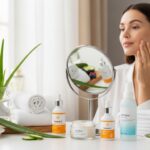
The Aloe Vera is well known to be of soothing and calming effects. It is especially effective with the oily skin which is also irritated or red. Aloe can be used to decrease inflammation and also offer light hydration. Aloe vera can also be used on oily areas to reduce the skin and keep it hydrated without adding a shininess effect.
Its cooling benefit is also useful particularly in warm weather or after the sun has been exposed. Frequent application of the products made out of aloe might be helpful to decrease the level of discomfort in the skin and maintain the balance of the oil level.
Green Tea Compress
Green tea contains a lot of antioxidants and anti-inflammatory agents which are helpful in reducing oily and acne-related skin. A compress of green tea is also useful in minimizing oiliness and soothing the areas of irritation. A compress may be prepared by putting chilled green tea on the skin with the help of a soft cloth or cotton pad.
This mild treatment cools the skin, and can possibly suppress the extravagance of sebum. Green tea will also prevent the skin to be exposed to stressors of the environment which may cause breakouts and inflammation.
Lifestyle Factors That Support Oily Skin Care

Care on the skin is just one of the elements of dealing with oily skin. Another factor that contributes to healthy and balanced skin is the lifestyle habits.
Diet
There are some foods which can determine the production of oil and the health of the skin. Certain individuals may have an increase in sebum production due to the high intake of refined sugar, processed foods, and high intake of dairy products. Healthier skin can be supported with an emphasis put on nutrient rich foods.
Leafy greens, berries, nuts, and fatty fish are also anti-inflammatory foods that contain vitamins and antioxidants, which maintain balance in the skin.
The Omega-3 fatty acids present in fish will also help to maintain the skin barrier and decrease inflammation. A healthy diet will help towards general health and could eventually enhance the appearance of the skin.
Hydration
To keep the skin healthy, it is necessary to consume enough water. Maintaining a good hydration level also aids in controlling the natural body processes, such as production of oils. The skin is usually smoother and balanced when the body is well hydrated. Consumption of adequate water during the day will help keep the skin hydrated without producing too much oil.
Stress Management
Stress may affect hormonal activity within the body therefore it may elevate sebum production. Consequently, breakouts or over oiliness can be occasionally provoked by stressful periods. Meditation, yoga, deep breathing, or physical exercise are some of the practices that can be applied to manage stress levels.
These habits could also indirectly work to make skin healthier and balanced in terms of oil production because of decreasing stress.
Sleep
Sleep is instrumental in the skin condition. When one sleeps, the body replenishes the affected cells and replenishes the tissues. Lack of sleep may cause the hormonal balance to be disturbed and lead to dullness or more production of oil. Ensuring that one has a regular sleep pattern enables the skin to rest and helps in the long-term skin well-being.
Common Mistakes That Worsen Oily Zones
- Excessive and superfluous washing and shedding.
- Application of severe toners or alcohol based products.
- Leaving out the moisturizer or the sunscreen.
- Trying to pick blemishes or squeeze them.
These errors can be avoided to make sure that the texture and oil control are steadily improved.
Conclusion
FAQs
1. What is the best cleanser for oily zones?
The best cleanser for oily zones is a gentle gel or foaming formula that removes excess oil without stripping the skin. Look for ingredients like salicylic acid, niacinamide, or tea tree oil, which help unclog pores, reduce shine, and support a healthy skin barrier. Avoid harsh soaps or alcohol-based cleansers that can worsen oil production.
2. How often should I cleanse my T-zone?
For most people, cleansing the T-zone twice daily—morning and evening—is ideal. Over-cleansing can irritate the skin and trigger rebound oiliness. If wearing heavy makeup or sunscreen, a double cleanse in the evening helps remove residue without over-drying the skin.
3. Can I use a moisturizer if my skin is oily?
Yes! Even oily skin needs hydration. Skipping moisturizer can cause the skin to overproduce oil, worsening shine and congestion. Use a lightweight, non-comedogenic or gel-based moisturizer to maintain hydration while keeping pores clear.
4. Are natural remedies effective for controlling oil?
Natural remedies like honey, aloe vera, and green tea can support oil control and soothe inflammation. Honey has antibacterial properties, aloe calms redness, and green tea provides antioxidants. While helpful, they work best when combined with a consistent cleansing and skincare routine.
5. When should I consult a dermatologist for oily skin issues?
See a dermatologist if oiliness is persistent despite proper care, if you have cystic or inflamed acne, enlarged or clogged pores, or if over-the-counter treatments fail. A dermatologist can recommend professional treatments like chemical peels, light therapy, or prescription products for effective long-term results.