

When most women turn 50, collagen production has slowed significantly and the skin barrier is less effective at retaining moisture than it was a decade earlier. That’s not a reason to give up on skincare — it’s a reason to be more deliberate about which habits and ingredients are actually worth continuing.
Table Of Content
- Key Takeaways
- How Skin Changes After 50
- Collagen and Elastin Decline
- Moisture Loss and Increased Sensitivity
- What to Expect and Watch For
- A Daily Routine Built Around What Actually Helps
- Gentle Cleansing
- Hydration as a Non-Negotiable Step
- Daily Antioxidant Protection
- Sunscreen, Every Single Day
- Ingredients Worth Building a Routine Around
- Retinoids
- Peptides
- Hyaluronic Acid
- Niacinamide
- Lifestyle Factors That Genuinely Affect Skin
- Diet
- Sleep
- Stress Management
- Avoiding Smoking and Excess Alcohol
- Weekly and Monthly Additions
- Gentle Exfoliation
- Hydrating Masks
- Professional Treatments
- Special Attention for Sensitive Areas
- Eyes
- Neck and Décolletage
- Hands
- Common Mistakes That Undermine Progress
- Frequently Asked Questions
- The Bottom Line
Key Takeaways
- Consistent hydration is the foundation of wrinkle prevention — dry skin shows fine lines more prominently regardless of what else is in a routine.
- Daily broad-spectrum SPF 30+ is the single most effective step for slowing new wrinkle formation, more so than any anti-aging serum.
- Retinoids, peptides, and hyaluronic acid each work through different mechanisms and are generally more effective combined than used alone.
- Sleep, diet, and stress management have a real, measurable effect on skin repair — not just adjacent lifestyle advice.
- Small, consistent daily habits tend to outperform occasional intensive treatments over the long run.
How Skin Changes After 50
Collagen and Elastin Decline
Collagen provides structure to skin, and elastin allows it to spring back into shape — both naturally decline with age, which is why elasticity decreases and fine lines become more visible over time. This process is universal, but its pace is heavily influenced by controllable factors like cumulative sun exposure, pollution, and smoking history.
Moisture Loss and Increased Sensitivity
Natural oil production tends to decrease with age, leaving skin more prone to dryness, and dry skin shows fine lines more prominently than well-hydrated skin does. Mature skin is also generally less tolerant of harsh cleansers or aggressive exfoliation than it once was, which is why gentler product choices become more important rather than less.
What to Expect and Watch For
Common changes by this stage include fine lines around the eyes and mouth, some loss of firmness along the cheeks and jawline, uneven tone, and occasional rough or flaky patches. Recognizing these changes early allows for a proactive approach rather than trying to reverse more advanced changes later.
A Daily Routine Built Around What Actually Helps
Gentle Cleansing
A common mistake is reaching for a stronger cleanser to feel “really clean,” which tends to strip the natural oils mature skin can least afford to lose. A creamy, mild cleanser used once or twice daily removes impurities without compounding existing dryness.
Hydration as a Non-Negotiable Step
Moisturizing isn’t optional at this stage — it’s foundational. Ingredients like ceramides, hyaluronic acid, and fatty acids restore hydration and support the skin barrier directly, and well-hydrated skin visibly shows fewer fine lines than dehydrated skin, independent of any other treatment.
Pro Tip: Apply serums and moisturizer to slightly damp skin rather than fully dry skin. This helps lock in more moisture and improves how well hydrating ingredients absorb.
Daily Antioxidant Protection
Environmental exposure — UV, pollution, general oxidative stress — accelerates visible aging through free radical damage. Vitamin C, vitamin E, and green tea extract are commonly used antioxidants that help counter this exposure, in addition to supporting a more even skin tone over time.
Sunscreen, Every Single Day
UVA rays penetrate window glass, meaning sun exposure continues even during days spent mostly indoors. Daily broad-spectrum SPF 30 or higher is widely considered the single most effective step for preventing new wrinkles and sunspots, and skipping it undermines the benefit of every other product in a routine.
Ingredients Worth Building a Routine Around
Retinoids
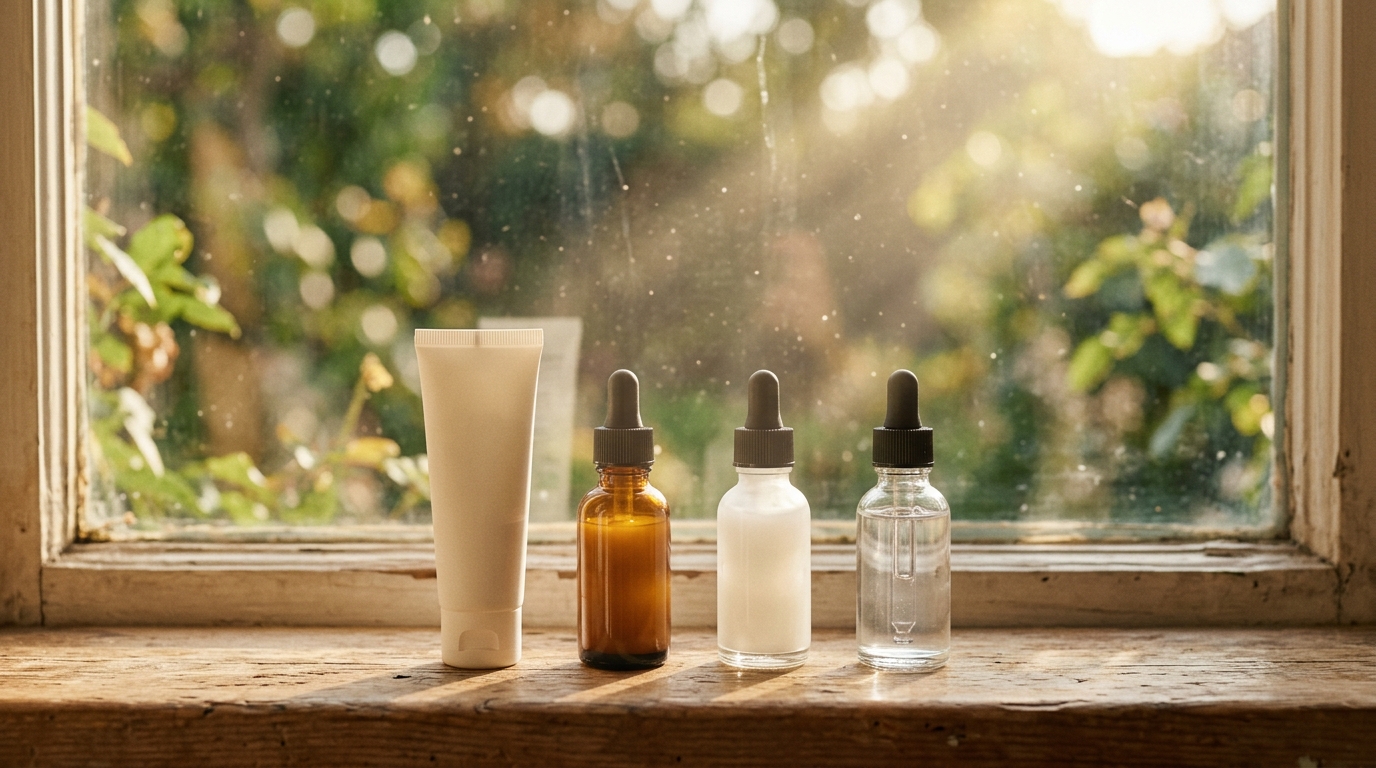
Retinoids increase cell turnover and stimulate collagen production, making them one of the better-researched options for reducing the appearance of fine lines. Starting with a lower-strength formulation — retinol, or a gentler plant-derived alternative like bakuchiol — helps mature skin adjust without excess dryness or irritation.
Peptides
Peptides signal skin to produce more collagen, supporting firmness and elasticity over time with consistent use. A peptide-rich serum applied daily can help address the gradual sagging and fine-line formation that comes with age.
Hyaluronic Acid
Hyaluronic acid draws water into the skin, creating a plumper appearance that makes fine lines less noticeable. It layers well with most other active ingredients, making it a reasonable base step in a routine rather than a standalone treatment.
Niacinamide
Niacinamide supports an even skin tone, refines texture, and is generally well tolerated by mature or sensitive skin that might react to stronger actives. It’s a reasonable daily addition for people looking for a gentler option alongside retinoids or peptides.
Lifestyle Factors That Genuinely Affect Skin
Diet
Foods rich in vitamin C — citrus, berries, leafy greens — support collagen synthesis directly, and a diet including fatty fish and nuts provides the fatty acids that support skin’s barrier function. Nutrition doesn’t replace topical care, but it does influence how well skin responds to it.
Sleep
Skin repair activity increases during deep sleep, which is part of why consistent sleep deprivation shows up as increased puffiness, dullness, and more pronounced fine lines over time. Seven to eight hours of regular sleep supports the same repair processes that night creams and retinol are trying to activate.
Stress Management
Chronic stress contributes to inflammation, which accelerates visible skin aging over time. Simple, low-effort stress management — a daily walk, light yoga, or a consistent wind-down routine — supports skin renewal in a way that’s easy to underestimate.
Pro Tip: If a new routine step isn’t producing visible change after 6–8 weeks, the issue may be sleep or stress rather than the products themselves. Skin repair depends on more than what’s applied topically.
Avoiding Smoking and Excess Alcohol
Both smoking and heavy alcohol use accelerate collagen breakdown and contribute to skin dryness, working against the effect of even a well-built skincare routine. Reducing or eliminating either has a measurable, if gradual, effect on skin’s appearance over time.
Weekly and Monthly Additions
Gentle Exfoliation
Mild chemical exfoliants — a low-strength AHA or lactic acid formulation — clear dead skin buildup and improve how well other active ingredients absorb, generally with less irritation risk than physical scrubs for mature skin. Once or twice weekly is typically sufficient; more frequent exfoliation tends to compromise a skin barrier that’s already thinner and more sensitive than it was at a younger age.
Hydrating Masks
A hydrating mask once or twice a week, built around hyaluronic acid, shea butter, or aloe vera, can restore moisture and improve how effectively subsequent serums are absorbed.
Professional Treatments
Chemical peels, microdermabrasion, and laser treatments can address deeper wrinkles and texture unevenness beyond what home care alone achieves, though mature skin often has a lower irritation threshold, making professional guidance important before starting any of these.
| Treatment | Frequency | Best For | Consideration |
|---|---|---|---|
| Gentle exfoliation | 1–2x weekly | Texture, product absorption | Avoid over-exfoliating thin, mature skin |
| Hydrating mask | 1–2x weekly | Moisture, plumping | Complements rather than replaces daily hydration |
| Chemical peel | Monthly or per dermatologist guidance | Deeper texture concerns | Requires professional oversight |
| Retinoid use | Nightly, gradually introduced | Collagen support, fine lines | Start low-strength to avoid irritation |
Special Attention for Sensitive Areas
Eyes
Skin around the eyes is thinner than the rest of the face and shows fine lines and puffiness earlier. A daily eye cream or serum containing peptides, hyaluronic acid, or caffeine can help with hydration and de-puffing — applied by gently tapping rather than rubbing, to avoid stretching this more delicate skin.
Neck and Décolletage
These areas often show visible aging before the face does, largely because they’re commonly skipped in a skincare routine. Extending moisturizer and sunscreen down to the neck and chest, along with occasional gentle massage to support circulation, helps close this gap.
Hands
Hands are frequently exposed to sun and washing yet rarely receive the same care as the face. Daily moisturizer and broad-spectrum SPF, along with ingredients like hyaluronic acid and niacinamide, help restore softness and reduce the appearance of fine lines here too.
Common Mistakes That Undermine Progress
- Skipping sunscreen — UV exposure remains one of the most significant, and most preventable, drivers of visible wrinkle formation
- Overusing strong actives without adequate hydration — retinol or acid use without a supporting moisturizer routine can dry out and irritate skin rather than improve it
- Ignoring lifestyle factors — smoking, poor diet, chronic stress, and insufficient sleep all directly affect skin’s elasticity and repair capacity
- Applying serums to fully dry skin — slightly damp skin absorbs hydrating ingredients more effectively
- Over-exfoliating — mature skin is generally thinner and more easily irritated by frequent or aggressive exfoliation
Frequently Asked Questions
Q1: How often should anti-aging serum be used after 50?
Most anti-aging serums, particularly those with peptides or antioxidants, are formulated for twice-daily use — morning and evening — to maintain consistent benefit. Retinol-based serums are typically reserved for evening use only, since they can increase sun sensitivity.
Q2: Where do wrinkles typically appear first after 50?
Fine lines and sagging tend to appear first around the eyes, followed by the neck, décolletage, and hands — areas with thinner skin or less consistent sun protection. Recognizing these areas early allows for more targeted, proactive care.
Q3: Do lifestyle changes actually reduce wrinkle formation?
Yes — adequate hydration, consistent sleep, a nutrient-rich diet, and stress management all have a measurable effect on skin repair and elasticity over time. These factors work alongside topical products rather than replacing them.
Q4: Should retinol be used on sensitive mature skin?
It can be, but starting with a low-strength formulation and pairing it consistently with a hydrating moisturizer helps minimize irritation. Skipping retinol entirely isn’t usually necessary — easing into it gradually is the more common recommendation.
Q5: How long does it take to see results from a wrinkle prevention routine?
Improved hydration and texture are often noticeable within 4–6 weeks of consistent use, with more visible firming and fine-line improvement developing over a couple of months. Consistency matters more than any single product’s individual strength.
The Bottom Line
Wrinkle prevention after 50 comes down to a handful of consistent habits: daily hydration, non-negotiable sunscreen, and a small set of well-supported active ingredients like retinoids, peptides, and hyaluronic acid — layered thoughtfully rather than all at once. Lifestyle factors like sleep, diet, and stress management aren’t peripheral advice; they genuinely influence how well skin repairs itself. Small, sustained changes tend to show real results within weeks, and continue improving with continued consistency over months.