
If the breakout appears in the same pattern as a helmet strap, backpack strap, or face mask, it’s not hormonal acne — it’s a distinct condition called acne mechanica, and treating it like ordinary acne usually doesn’t work. Friction, heat, and pressure cause it, which means the fix has to address the physical cause as much as the skin itself.
Table Of Content
- Key Takeaways
- What Acne Mechanica Actually Is
- The Physical Mechanism Behind It
- How It Differs From Hormonal or Bacterial Acne
- Who Tends to Get It, and Where
- Treating It: A Step-by-Step Approach
- Step 1: Apply a Protective Barrier Before Friction Exposure
- Step 2: Cleanse Correctly During and After Activity
- Step 3: Apply Targeted Topical Treatments
- When Prescription Treatment Makes Sense
- A Sample Daily Routine
- Morning
- Evening
- Weekly Additions Worth Considering
- Adjusting Equipment and Clothing
- Lifestyle Factors Worth Addressing
- Diet, Hydration, and Sleep
- Pillowcase and Fabric Contact
- Common Mistakes That Slow Recovery
- When to See a Dermatologist
- Frequently Asked Questions
- The Bottom Line
Key Takeaways
- Acne mechanica results from friction and pressure, not hormones, which is why hormonal acne treatments generally don’t resolve it.
- Barrier products work better as prevention than treatment — applying zinc oxide or silicone cream before friction exposure matters more than treating breakouts afterward.
- Cleansing within about 30 minutes of the activity that caused friction reduces the sweat and sebum buildup that leads to new breakouts.
- Combining multiple strong actives (BHA, benzoyl peroxide, and retinoids) in the same session tends to cause more irritation, which can worsen acne mechanica rather than clear it.
- Consistent treatment for 2–4 weeks is generally needed before mild cases improve — switching products too early prevents any single approach from completing its full effect.
What Acne Mechanica Actually Is
The Physical Mechanism Behind It
Acne mechanica develops when repeated friction, pressure, heat, and occlusion act on skin together. Compression from equipment or tight clothing can physically narrow a follicle’s opening, while trapped heat and sweat create a warm, moist environment that supports bacterial growth. Friction itself strips surface skin cells faster than they can naturally shed, disrupting the barrier and triggering inflammation.
The result is a pattern of red papules, pustules, or clogged pores that mirrors the shape of whatever caused the friction — a chin strap line, a mask’s edge, or a bra strap across the shoulder, for example.
How It Differs From Hormonal or Bacterial Acne
Acne mechanica appears specifically at contact points, while hormonal acne tends to cluster on the chin, jawline, and forehead regardless of what touches the skin there. Hormonal acne often follows a cycle and responds to hormonal treatment; acne mechanica does neither — it responds to reducing friction and using barrier protection instead.
| Feature | Acne Mechanica | Hormonal Acne | Bacterial Acne |
|---|---|---|---|
| Primary cause | Friction, pressure, heat, occlusion | Hormonal fluctuation | Bacterial overgrowth |
| Location | Exactly at contact points | Chin, jawline, forehead | Widespread |
| Responds to barrier cream? | Yes | No | No |
| Responds to hormonal treatment? | No | Yes | Partially |
| Resolves without addressing the cause? | No — friction source must change | Yes, with hormonal treatment | Yes, with antibiotics or BP |
Understanding hormonal acne patterns
Who Tends to Get It, and Where
Athletes dealing with helmets, shoulder pads, and tight synthetic sportswear commonly see breakouts on the forehead, jawline, shoulders, and back. Healthcare workers and students wearing masks for extended periods often develop it along the jawline, cheeks, and nose bridge. Backpack straps cause a similar pattern across the upper back and shoulders, and people with already acne-prone skin tend to react faster to any of these triggers, since their follicles are more likely to already be partially blocked.
Hot or humid climates increase sweat production in friction-prone areas, compounding the occlusion that drives breakouts in the first place.
Treating It: A Step-by-Step Approach
Step 1: Apply a Protective Barrier Before Friction Exposure
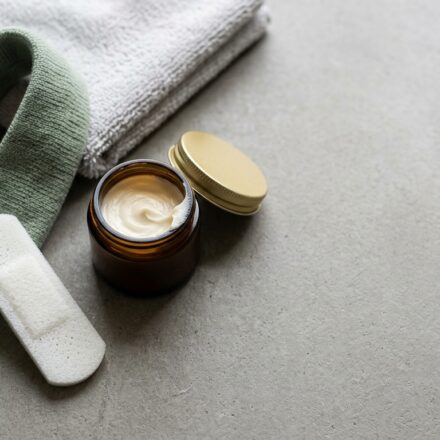
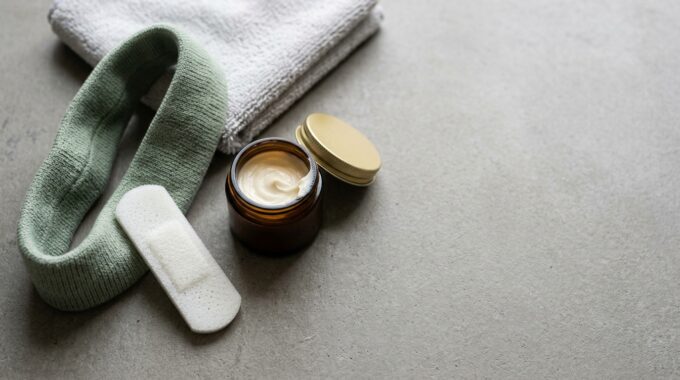
A thin layer of non-comedogenic silicone-based cream, zinc oxide paste, or medical-grade foam tape applied before activity reduces direct friction between skin and equipment. Zinc oxide offers some anti-inflammatory benefit alongside its physical barrier function, and foam tape is particularly useful for high-friction contact points like a chin rest or helmet rim where padding options are limited.
Pro Tip: Barrier products work far better as prevention than as treatment. Applying one before the friction happens matters more than any product used afterward.
Step 2: Cleanse Correctly During and After Activity
Cleansing within about 30 minutes of finishing an activity reduces how long sweat, sebum, and trapped barrier product sit against the skin. A gentle, pH-balanced cleanser avoids stripping the acid mantle further after friction has already disrupted it, and for body acne mechanica, a salicylic acid-based body wash can add some exfoliating benefit during the same step.
Scrubbing is worth avoiding entirely here — skin already disrupted by friction doesn’t benefit from additional mechanical stress, even from a washcloth.
Step 3: Apply Targeted Topical Treatments
Salicylic acid (0.5–2%) works inside the follicle opening to dissolve the sebum and dead skin buildup that friction contributes to. Benzoyl peroxide (2.5–5%) targets the bacteria that multiply in occluded follicles, though it’s best applied to individual blemishes rather than the whole affected area to avoid unnecessary dryness.
Niacinamide (4–10%) supports the barrier function that friction disrupts and helps regulate the sebum production that follows inflammation.
Pro Tip: Rotate these actives across different times of day or different days rather than layering them all at once. Combining BHA, benzoyl peroxide, and a retinoid in a single session significantly increases irritation without proportionally improving results.
When Prescription Treatment Makes Sense
If over-the-counter approaches haven’t produced improvement after around eight weeks, or if acne mechanica has developed into deep, painful cysts, it’s a reasonable point to see a dermatologist. Prescription options include topical retinoids (which increase cell turnover and reduce follicle plugging), topical antibiotics like clindamycin (typically prescribed alongside benzoyl peroxide to reduce the risk of antibiotic resistance), and in more severe or widespread cases, oral medication.
Specific dosing for any prescription treatment — including oral antibiotics or isotretinoin — is something a dermatologist determines based on individual severity and health history, not something to self-select from general guidance.
A Sample Daily Routine
Morning
A mild, pH-balanced cleanser, a salicylic acid toner applied only to friction-prone areas, niacinamide serum pressed into those same areas, a lightweight non-comedogenic moisturizer with SPF 30, and finally a barrier cream applied to contact points right before putting on equipment or a mask.
Evening
Double cleansing removes sunscreen and the day’s buildup, followed by a BHA treatment on affected areas and a benzoyl peroxide spot treatment for active blemishes. Niacinamide or a retinoid can follow on nights separate from benzoyl peroxide use, finished with a ceramide-based moisturizer to support overnight barrier repair.
Weekly Additions Worth Considering
A gentle weekly chemical exfoliation on friction-prone areas helps clear dead skin buildup, though it’s worth avoiding on any actively broken or inflamed skin. A soothing, hydrating mask with centella asiatica, aloe, or hyaluronic acid once a week can help replenish moisture lost to both friction and daily active-ingredient use.
For persistent individual blemishes that don’t respond to daily BHA, a targeted overnight spot treatment with benzoyl peroxide or sulfur can help, though this should stay limited to individual spots rather than the full affected area.
Adjusting Equipment and Clothing
Topical treatment alone rarely resolves acne mechanica if the friction source stays unchanged. A few adjustments make a meaningful difference:
- Moisture-wicking, breathable fabrics instead of cotton reduce heat and sweat buildup in contact areas.
- Properly fitted equipment reduces unnecessary pressure without compromising safety function.
- Foam or silicone padding on helmets or straps disperses pressure more evenly.
- Breathable liners under helmets absorb sweat and reduce direct skin contact — and should be washed regularly.
- Foam or medical tape on hard equipment edges eliminates direct contact at specific pressure points.
- Regular equipment cleaning prevents sebum and bacteria from re-contaminating skin between uses.
Choosing breathable fabrics for sensitive, acne-prone skin
Lifestyle Factors Worth Addressing
Diet, Hydration, and Sleep
Diets high in processed sugar are linked to elevated insulin-like growth factor, which can increase sebum production and worsen friction-prone areas. Adequate hydration supports faster skin repair generally, and omega-3-rich foods have some anti-inflammatory benefit relevant to sebum regulation.
Chronic stress and inadequate sleep both interfere with the skin barrier’s ability to repair itself, which compounds the damage friction is already causing. Consistent sleep and basic stress-management habits won’t resolve acne mechanica on their own, but they remove one more factor working against the topical treatment.
Pillowcase and Fabric Contact
For facial acne mechanica involving the cheek or chin, changing pillowcases every two to three days reduces the sebum and bacteria buildup that accumulates from repeated skin contact overnight. Smoother fabrics create less friction than rougher ones, which is why some people with chronic facial acne mechanica find a smoother pillowcase material genuinely helpful.
Common Mistakes That Slow Recovery
- Over-cleansing friction zones — washing more than twice daily or scrubbing harshly compounds the barrier damage friction has already caused
- Layering too many actives at once — combining benzoyl peroxide, a retinoid, and an AHA/BHA in the same session causes excess dryness and irritation
- Picking or squeezing breakouts — this pushes bacteria deeper and increases the risk of post-inflammatory marks and scarring, on any skin tone
- Not addressing the friction source — topical treatment alone rarely produces lasting improvement if the equipment or clothing causing the friction stays unchanged
- Switching products too frequently — most treatments need 2–4 weeks of consistent use before their effect becomes apparent
When to See a Dermatologist
Deep, painful cystic nodules rather than surface-level papules, scarring or persistent hyperpigmentation from past breakouts, spreading beyond the original friction zone even after equipment changes, or skin that’s becoming increasingly reactive to topical treatments are all reasons to move beyond home care. Diagnosis is typically straightforward — a visual exam and history are usually sufficient, without needing bloodwork.
Frequently Asked Questions
Q1: Is acne mechanica the same as regular acne?
No — acne mechanica is triggered by physical friction, pressure, and heat rather than hormones or bacterial overgrowth primarily. It appears specifically at contact points and responds to barrier protection and friction reduction, which standard hormonal acne treatment doesn’t address.
Q2: How long does acne mechanica take to clear up?
Mild cases generally improve within 2–4 weeks of consistent treatment and friction reduction. More involved cases with multiple active breakouts can take 4–8 weeks, and severe cystic cases may need prescription treatment over a longer period.
Q3: Can I keep playing sports while treating acne mechanica?
Yes, generally — applying a barrier cream before equipment contact, cleansing within about 30 minutes after activity, and cleaning equipment regularly are the three adjustments that make continued activity compatible with healing. Stopping the activity entirely isn’t usually necessary if these steps are followed consistently.
Q4: Does acne mechanica leave scars?
It can, particularly if breakouts are picked or squeezed, or if deep cystic lesions form without treatment. Surface-level papules and pustules treated without picking generally resolve without scarring, though post-inflammatory marks are common on any skin tone and typically fade over several weeks with niacinamide and consistent sunscreen use.
Q5: What’s the single most effective first step for acne mechanica?
Addressing the friction source directly — removing or padding whatever’s causing repeated contact — paired with cleansing within 30 minutes of exposure tends to produce faster improvement than any topical treatment used alone. Source reduction and skincare work better together than either does independently.
The Bottom Line
Acne mechanica responds to a different approach than typical acne: barrier protection before friction happens, prompt cleansing afterward, and consistent (not overloaded) use of ingredients like salicylic acid, benzoyl peroxide, and niacinamide.
None of this works as well without also addressing the actual friction source — equipment fit, fabric choice, or padding matter as much as anything applied topically. Most mild cases show real improvement within a few weeks once both sides of the approach are in place together.