




Calming Nighttime Body Care
Calming Nighttime Body Care is not just about hygiene or skin health; it is a deliberate ritual designed to help the body release tension, restore comfort, and prepare the mind for deep, restorative sleep. Stress is built up in the body after a day of labor, socialization or exercise. Muscles become rigid, joints become heavy and even the skin may be dry, irritated or sensitive.
Table Of Content
- Calming Nighttime Body Care
- Key Takeaways
- Why Nighttime Body Care Matters
- How Stress Manifests in the Body
- The Power of Touch and Ritual
- Signs You Need Calming Nighttime Body Care
- Physical Indicators
- Emotional and Mental Indicators
- Core Benefits of Calming Nighttime Body Care
- Nervous System Reset
- Improved Sleep Quality
- Muscle Relaxation and Physical Comfort
- Emotional Grounding and Mindfulness
- Creating the Ideal Nighttime Environment
- Set the Mood
- Reduce Distractions
- Sensory Comfort
- The Calming Nighttime Body Care Routine
- Warm Showers or Baths
- Tips
- Moisturizing and Hydration
- Product Tips
- Body Oils and Balms
- Self-Massage Techniques
- Neck and Shoulders
- Hands and Feet
- Legs and Arms
- Gentle Exfoliation
- Mindful Breathing and Visualization
- Tailoring Your Routine to Your Needs
- Post-Work Stress Relief
- Muscle Fatigue or Physical Soreness
- Difficulty Sleeping
- Emotional Overwhelm
- Sustainability Tips for Nighttime Body Care
- Common Mistakes to Avoid
- When Nighttime Body Care Alone Isn’t Enough
- Conclusion
- FAQs
These are the physical expressions of stress that usually leave it hard to unwind to the full extent, however much meditation and effort to calm your mind. Calming Nighttime Body Care offers a practical, sensory-focused solution that addresses both body and mind, allowing you to drift into the evening feeling soothed and grounded.
With a conscious attitude to night practices, it is possible to lessen the tension of muscles, increase skin hydration, and bring emotional comfort that adds to mental relaxation.
Key Takeaways
- Calming Nighttime Body Care reduces tension, improves comfort, and supports mental relaxation.
- Warm showers, light massage and moisturizing decelerate the body and put it to sleep.
- Softness of textures on the skin and use of soft smells is a method used to increase the feeling of relaxation.
- It is better to have regular routines than complicated ones.
- Nightly rituals in brief sessions generate compounding effects of sleep, stress reduction, and emotional state.
Why Nighttime Body Care Matters
How Stress Manifests in the Body
Although stress may appear to only be a mental event, in most cases, the body tends to be the first victim. The nervous system overactivity is manifested by tight shoulders, stiff necks, tension in the jaw, restless legs, and heaviness. Stress that is chronic may also impact on the skin, making it dry, irritated or lacks elasticity. Mental relaxation can never be complete without considering the physical aspect of stress.
The Power of Touch and Ritual
Calming Nighttime Body Care leverages slow touch, warmth, and consistent rituals to signal to your nervous system that it is safe to unwind. Repetitive nighttime behaviors develop predictive signals to the physiology and decrease physiological arousal reactions, as well as facilitate a transition to sleep. The routine serves as a psychological and physical point of rest.
Signs You Need Calming Nighttime Body Care
Physical Indicators
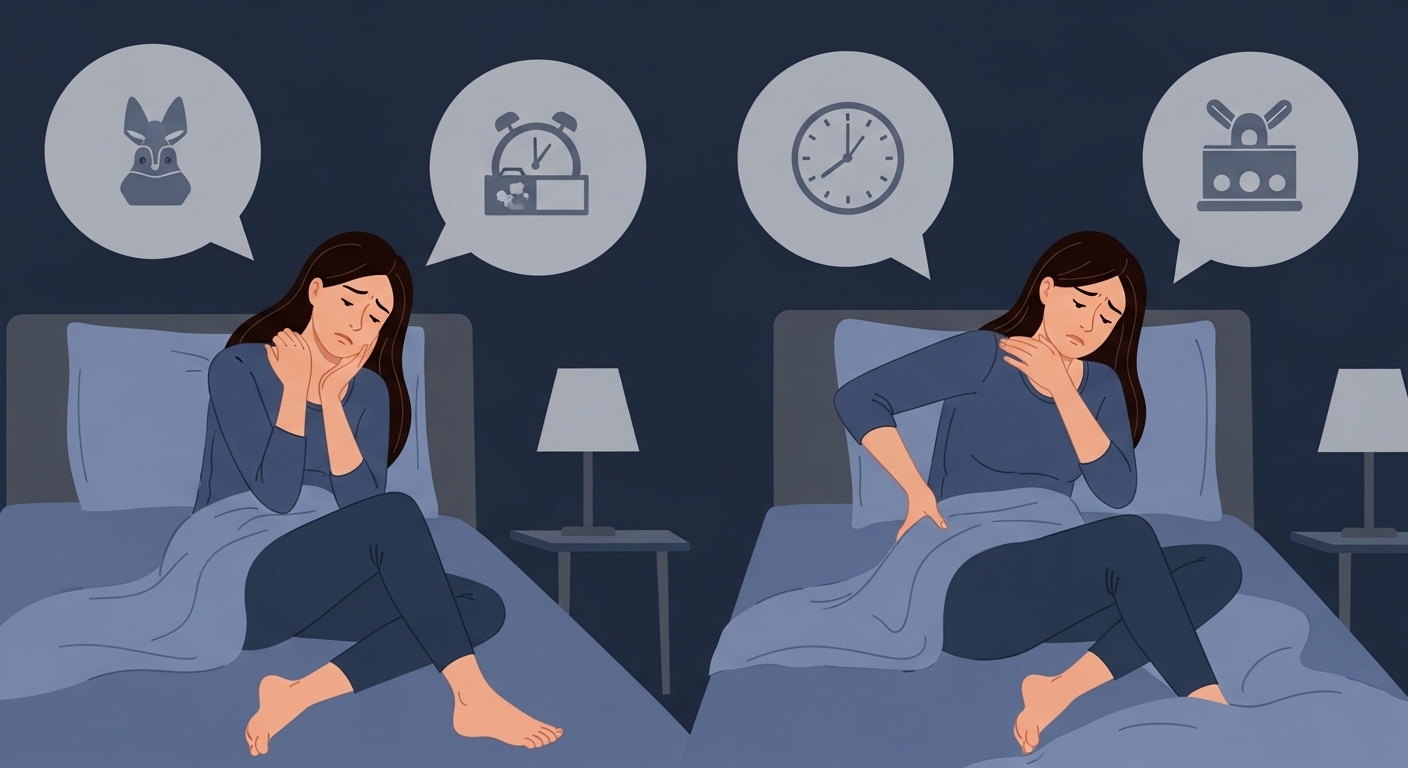
- Neck, shoulders tight, back sore, tight legs.
- Even after rest, the muscles will be fatigued.
- Coarse, rough or tender skin, which makes it more uncomfortable at night.
- Insomnia, fussing, turning and tossing.
Emotional and Mental Indicators
- Racer or failure to turn off the evening.
- Experiencing loss of touch with the body or the sensations.
- Lack of feeling, bad mood or and/or emotional exhaustion.
- Difficulty in falling asleep or at maintaining sleep.
By diagnosing these signs at an early stage, you will be able to integrate specific body care behaviors prior to the further build-up of stress.
Core Benefits of Calming Nighttime Body Care
Nervous System Reset
Light, deliberate strokes stimulate the body to revert to a sympathetic (fight-or-flight) condition into parasympathetic (rest-and-digest). This shift is highly important to relax the heart, decelerate the heartbeat and get the body in a sleep state.
Improved Sleep Quality
Night time routine will help with physical discomfort, will make the brain think that it is time to sleep and can also help shorten sleep latency. Gradually, your body gets used to these rituals as a form of relaxation and enhances the ease and deepen of sleep.
Muscle Relaxation and Physical Comfort
It can also help relieve stress on the body by targeting the muscles that hold stress; such as the shoulders, neck, hands, and feet, which will increase body comfort, and one can have an easy time getting down to sleep.
Emotional Grounding and Mindfulness
Being mindful and emotionally stable is achieved by giving time to your body. The act of touching, massaging and hydrating the body causes one to focus on sensations, which supports the feeling of being present and taking care of oneself.
Creating the Ideal Nighttime Environment
Set the Mood
The effect of the lighting, temperature, and sensory indications influence the effectiveness of your body relaxation. The lighting should be soft and dim i.e. candles, warm bulbs in lamps or string lights should be used to make the light gentle and soothing. Make sure that the room is comfortable on the temperature without shivering or overheating.
Reduce Distractions
Leave the electronics away or on mute. Distractions like notifications, luminous displays and work stressors may decrease the quality of your relaxing regimen.
Sensory Comfort
The gentle texture, soft towels, plush robes, soft scents (lavender, chamomile, vanilla or sandalwood) facilitation of relaxation. In the case of sensitive skin, fragrance-free perfumes are equally effective as well as causing minimal irritation.
The Calming Nighttime Body Care Routine
Warm Showers or Baths
Warm water relaxes the muscles, enhances the circulation, and gives an immediate relief. A ten to fifteen minutes bath using Epsom salts or soothing bath oils will help the soreness of the shoulders, back and legs. Do not use hot water, but rather warm and gentle water.
Tips:
- Move slowly and deliberately so as to become more mindful.
- Apply bath oils in soft and soothing fragrances.
- Take into consideration alternation of warm water and slightly colder one as it helps to move the blood without excessively stimulating the nervous system.
Moisturizing and Hydration
Bathing is necessary followed by moisturizing of both skin and nervous system as well. Staying hydrated makes the skin soft and eliminates irritation, as well as increases the self-care feeling. Lotion or cream should be applied gradually and locally, namely on tense or dry areas (shoulders, arms, legs, hands, and feet).
Product Tips:
- Ceramides, cocoa butter, glycerin and aloe vera give the skin prolonged hydration.
- Gel-cream formulations are good to be used in warmer temperatures or in light regimens.
- Slow, circular movements are recommended as a way of incorporating skin care and light massage.
Body Oils and Balms
Body oils and balms provide self-massage lubrication and prevent the loss of moisture. Apply oils such as almond, jojoba or coconut oil on wet skin to enhance its absorption. Balms are particularly good on dry and stiff skin such as the shoulders, heels or hands.
Self-Massage Techniques
Neck and Shoulders
- Apply circular movements on the trapezius and head of the neck.
- Tap with a finger to alleviate tension points.
Hands and Feet
- Rub thumbs in circles on the soles and the massage palms.
- Pay attention to the practices that become tight after the work or standing.
Legs and Arms
-
Slow strokes with the limbs towards the heart enhance the circulation and a lightness.
Even 5 10 minutes of direct massage is tightening, improves blood circulation, and makes a person more conscious of their bodies, which improves general relaxation.
Gentle Exfoliation
Soft exfoliation occasional removes dead cells on the skin, enhances skin tone, and boosts the action of moisturizing. Apply a gentle body brush or gentle scrub one or two times a week. This should be followed by moisturizing with a lotion or oil to regain sanity.
Mindful Breathing and Visualization
When rubbing lotion or massaging, set your routine to slow and deep breathing. Breath in and out four and six times respectively. Just imagine that with every breath one is leaving the body. The mind-body connection is enhanced with visualization and minimal mental chatter and calmness are promoted.
Tailoring Your Routine to Your Needs
Post-Work Stress Relief
A hot shower, massage of shoulders and slow moisturizing will help get rid of the accumulated tension.
Muscle Fatigue or Physical Soreness
Add a foot bath, full body massaging of oil and special rubbing of the aching muscles to alleviate pain.
Difficulty Sleeping
Extended practices that focus on the sensory comforts of the body, breathing, and self-massage ease the body and mind in preparation of restorative sleep.
Emotional Overwhelm
Maintain the routine basic and easy. Warmth, touch, and hydration are the main priorities that should not be complicated.
Sustainability Tips for Nighttime Body Care
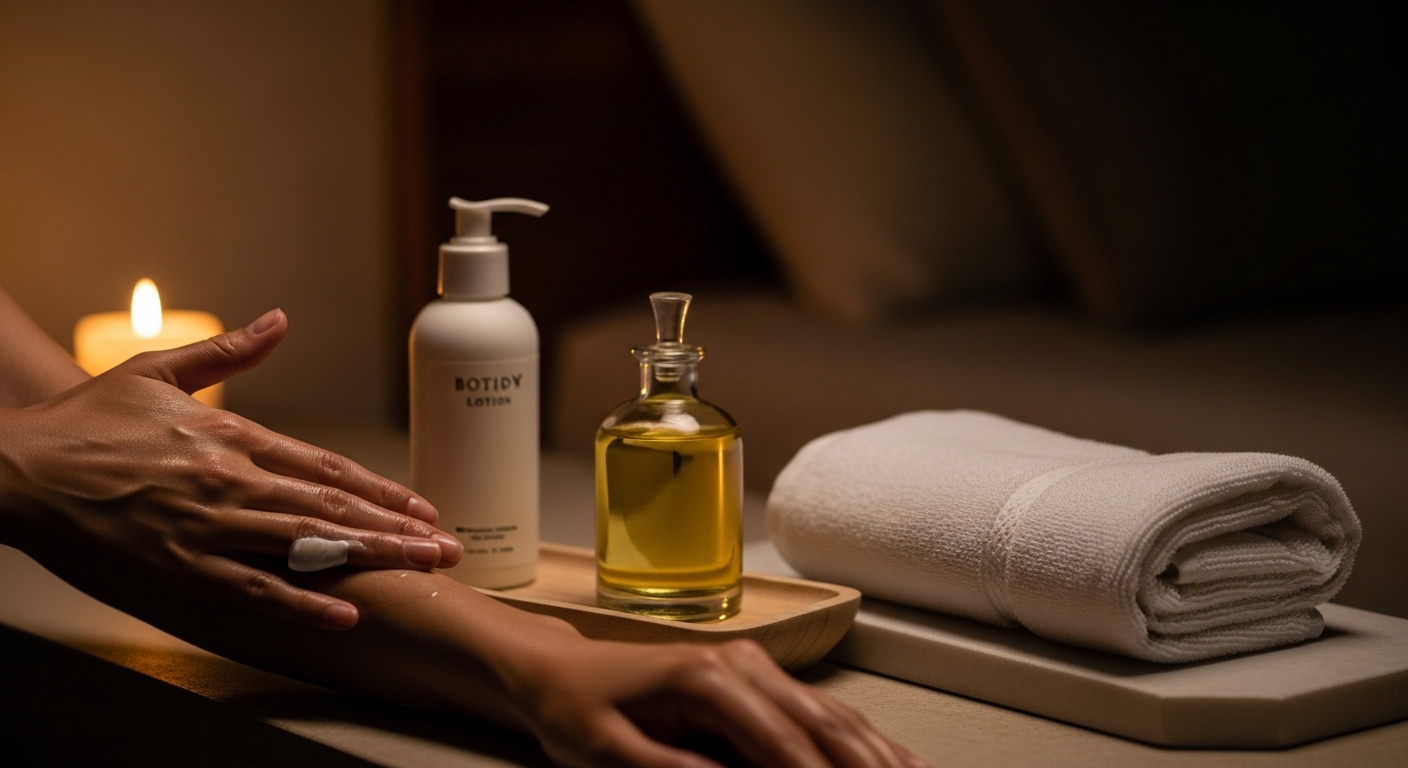
Keep it simple: Even 5-10 minutes will do the job and deliver the profits.
Choose products you enjoy: It is not the brand or price that count but the texture, scent and feel.
Link routines to existing habits: After brushing teeth, post-shower, or before pajamas.
Consistency over complexity: Angel Tiny, repetitive, nightly ceremonies are more effective than complex ones in producing long-term outcomes.
Common Mistakes to Avoid
- Taking shortcuts: negates the purpose of relaxation.
- Powerful perfumes: can arouse, not relax.
- Violent exfoliation or violent products: can cause irritation of the skin.
- Wanting immediate outcomes: gains come in the long term.
When Nighttime Body Care Alone Isn’t Enough
Although it can be used in the majority of cases involving stress-related tension, other problems with sleeping, anxiety, or severe emotional distress might need the intervention of a professional. Calming Nighttime Body Care should complement therapy, meditation, or lifestyle adjustments.
Conclusion
FAQs
Q1. Can nighttime body care improve sleep?
Yes, gentle care signals the nervous system to relax, reduces tension, and prepares the body for deep sleep.
Q2. How long should a routine take?
Even 10–15 minutes is sufficient. Longer routines provide additional comfort but are optional.
Q3. Are scented products necessary?
No. Fragrance-free or mildly scented products work equally well depending on personal preference.
Q4. What if I feel too tired?
Even a few minutes of hand, foot, or shoulder care can still be effective.
Q5. How often should this routine be practiced?
Daily practice is ideal, but even 3–4 times per week produces noticeable relaxation benefits.


