Introduction
If you have oily skin, you know the frustration of leaving the house with a fresh face, only to find your foundation slipping, sliding, and separating by midday. You are not alone in this struggle. Finding makeup for oily skin that lasts all day can feel like an uphill battle, especially when humidity rises or stress kicks in.
Table Of Content
- Introduction
- Key Takeaways
- Understanding Why Oily Skin Breaks Down Makeup
- Prepping Oily Skin Before Makeup
- Step 1: Cleanse with a Gentle, Balancing Formula
- Step 2: Balance Tone and Manage Pores
- Step 3: Hydrate with an Oil-Free Gel
- Step 4: Sunscreen That Dries to a Matte Finish
- Step 5: Strategic Primer Placement
- Choosing the Right Foundation for Oily Skin
- What to Look for on the Label
- The Application Technique That Prevents Slipping
- Strategic Concealing for Blemish and Under-Eye Longevity
- Blemish Concealing Without Slippage
- Keeping Under-Eyes Fresh
- Setting Techniques That Lock Makeup in Place
- The Powder Step: Master the Press-and-Roll Technique
- To Bake or Not to Bake?
- Setting Sprays: The Final Barrier
- Eye and Brow Longevity on Oily Lids
- Midday Maintenance: How to Prevent Makeup from Getting Greasy
- Rule Number One: Blot First, Always
- Rule Number Two: Use Pressed Powder Sparingly
- Step-by-Step Routine: Makeup for Oily Skin That Lasts All Day
- Common Mistakes That Ruin Makeup Longevity
- Conclusion
- FAQs
- Q1: Can people with oily skin use dewy foundations?
- Q2: How many times a day should I blot my face?
- Q3: Why does my foundation separate around my nose?
- Q4: Does setting spray really make a difference for oily skin?
- Q5: Should I use loose powder or pressed powder for oily skin?
The secret to all-day wear does not come down to applying heavier layers or carrying around an entire makeup kit for constant touch-ups. Instead, it relies on understanding how natural sebum interacts with cosmetic ingredients, prepping your skin barrier correctly, and using strategic setting methods.
In this guide, I will walk you through a practical, step-by-step routine that keeps excess shine under control while keeping your makeup fresh, comfortable, and intact from morning until night.
Key Takeaways
- Hydration Prevents Rebound Oil: Skipping moisturizer causes your sebaceous glands to overcompensate by producing more oil; always prep with a lightweight, oil-free hydrator.
- Primer Creates a Sebum Barrier: A mattifying, silicone-based primer forms a physical film between your pores and foundation, preventing oil from dissolving your base.
- Thin Layers Outlast Heavy Coverage: Applying thin, buildable layers with a damp sponge ensures better skin adhesion than one thick coat of foundation.
- Targeted Setting Beats Over-Powdering: Set oily zones using the press-and-roll powder technique, then lock everything down with a film-forming setting spray.
- Blot Before Powdering Midday: Always remove surface oil with blotting sheets before adding any touch-up powder to prevent texture buildup and cakeyness.
Understanding Why Oily Skin Breaks Down Makeup
To fix makeup breakdown, we need to examine what causes it in the first place. Your skin naturally produces sebum through thousands of microscopic sebaceous glands concentrated heavily across your forehead, nose, and chin—commonly called the T-zone. Sebum consists of triglycerides, squalene, wax esters, and free fatty acids. While sebum plays a vital role in lubricating your skin barrier and shielding it from environmental stressors, it acts as a natural solvent for makeup.
Most cosmetic formulations, even long-wearing ones, contain binders and emollients. When your pores secrete warm sebum throughout the day, those natural oils mix with the foundation base. The oil loosens the pigment bonds, causing the product to pool in pores, gather in fine lines, or literally slide off high-friction areas like the bridge of your nose and chin.
Environmental factors like heat and humidity accelerate this process by triggering sweat, which adds water and salt into the mix. Hormonal fluctuations can also cause temporary spikes in sebum production. Because you cannot—and should not—stop your skin from producing healthy oil, your goal is to build an invisible defense system that manages sebum without suffocating your pores.
Prepping Oily Skin Before Makeup
Proper skin preparation determines whether your foundation stays intact for twelve hours or breaks apart in two. If you apply makeup onto an oily or improperly prepped surface, no setting spray can save it.
Step 1: Cleanse with a Gentle, Balancing Formula
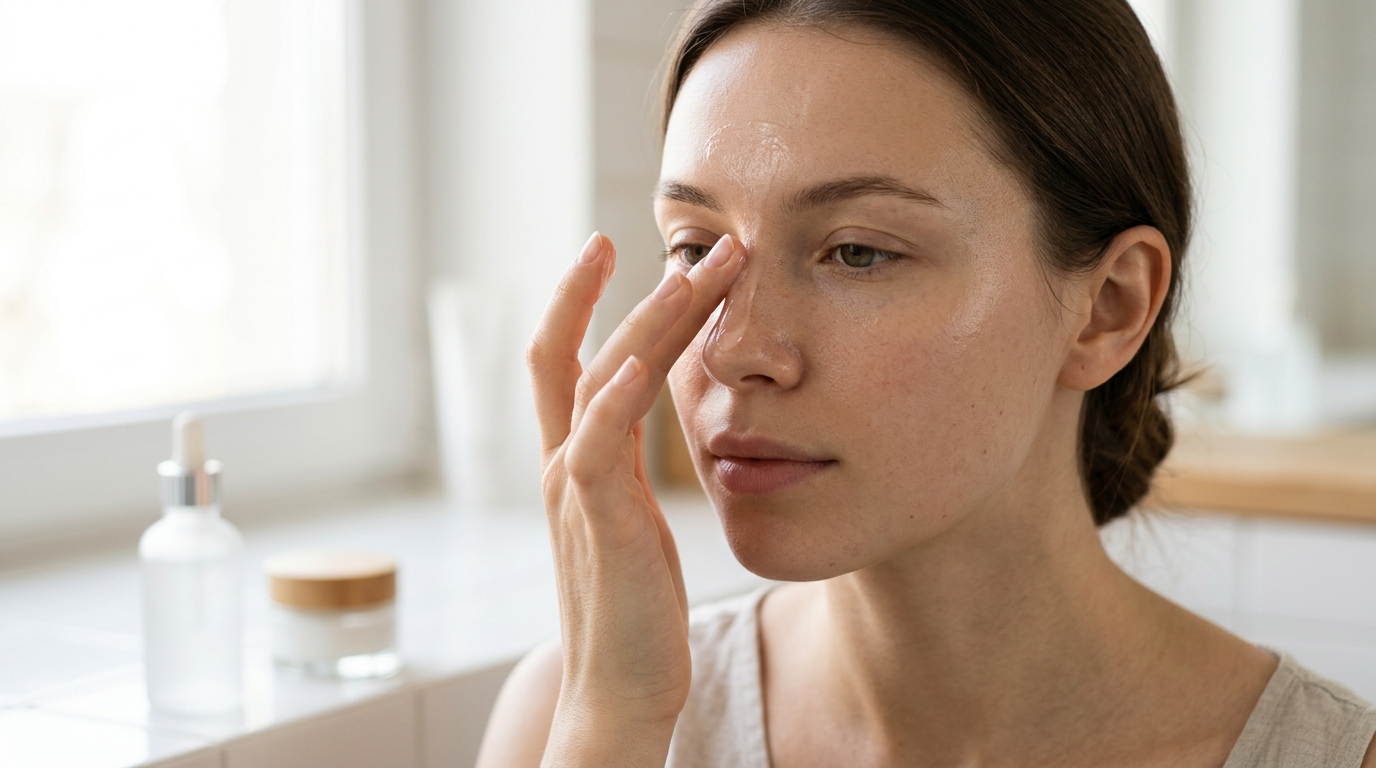
Start your morning routine with a gentle foaming or gel-based cleanser. Avoid aggressive, stripping cleansers that leave your face feeling tight or squeaky. Stripping the lipid barrier damages your acid mantle and signals your sebaceous glands to produce even more oil to compensate. Look for cleansers containing low concentrations of salicylic acid (a beta-hydroxy acid that penetrates into pore linings) or gentle amino-acid surfactants.
Rinse with lukewarm water. Hot water can trigger facial flushing and stimulate oil glands, while cold water fails to dissolve overnight oil buildup effectively.
Step 2: Balance Tone and Manage Pores
After cleansing, pat your skin dry with a clean microfiber towel. If you use a toner, choose an alcohol-free, astringent toner enriched with niacinamide or witch hazel. Niacinamide (vitamin B3) helps support skin barrier function and aids in regulating topical sebum production over regular use.
Avoid toners loaded with denatured alcohol, as they provide a fleeting matte feeling at the cost of long-term dehydration.
Step 3: Hydrate with an Oil-Free Gel
Skipping moisturizer is one of the most common errors for people with shiny complexions. Dehydrated skin triggers oil glands to work overtime. The solution is water-based hydration.
Choose an oil-free, non-comedogenic gel or water-cream moisturizer formulated with humectants such as hyaluronic acid, glycerin, or sodium PCA. These ingredients draw water into skin cells without leaving an occlusive, oily film.
Apply a pea-sized amount evenly across your face and neck, then pause for at least two to three minutes. Allowing your skincare to absorb completely is crucial; applying makeup over wet skincare causes pilling and sliding.
Step 4: Sunscreen That Dries to a Matte Finish
Daily sun protection is non-negotiable for skin health and preventing post-inflammatory hyperpigmentation. However, many traditional sunscreens leave behind an emollient, greasy residue that ruins makeup adhesion.
Select a fluid, chemical or mineral sunscreen labeled “matte finish,” “dry touch,” or “oil-absorbing.” Mineral sunscreens containing zinc oxide offer natural soothing benefits and a mild astringent quality that works exceptionally well on oily complexions. Wait two minutes after sunscreen application before proceeding to makeup.
Step 5: Strategic Primer Placement
A mattifying primer acts as your primary barrier against oil breakthrough. Rather than applying a heavy coat all over your face, apply primer strategically where oil gathers most.
Warm a dime-sized amount of a mattifying or pore-diffusing primer between your fingertips. Gently press—do not rub—the product into your T-zone, over your pores, and across your chin. The dimethicone and silica polymers fill in texture and create an invisible film that repels oil from rising into your foundation.
Choosing the Right Foundation for Oily Skin
The foundation you select serves as the structural core of your entire makeup look. Picking a formula that complements rather than clashes with oily skin makes all the difference.
What to Look for on the Label
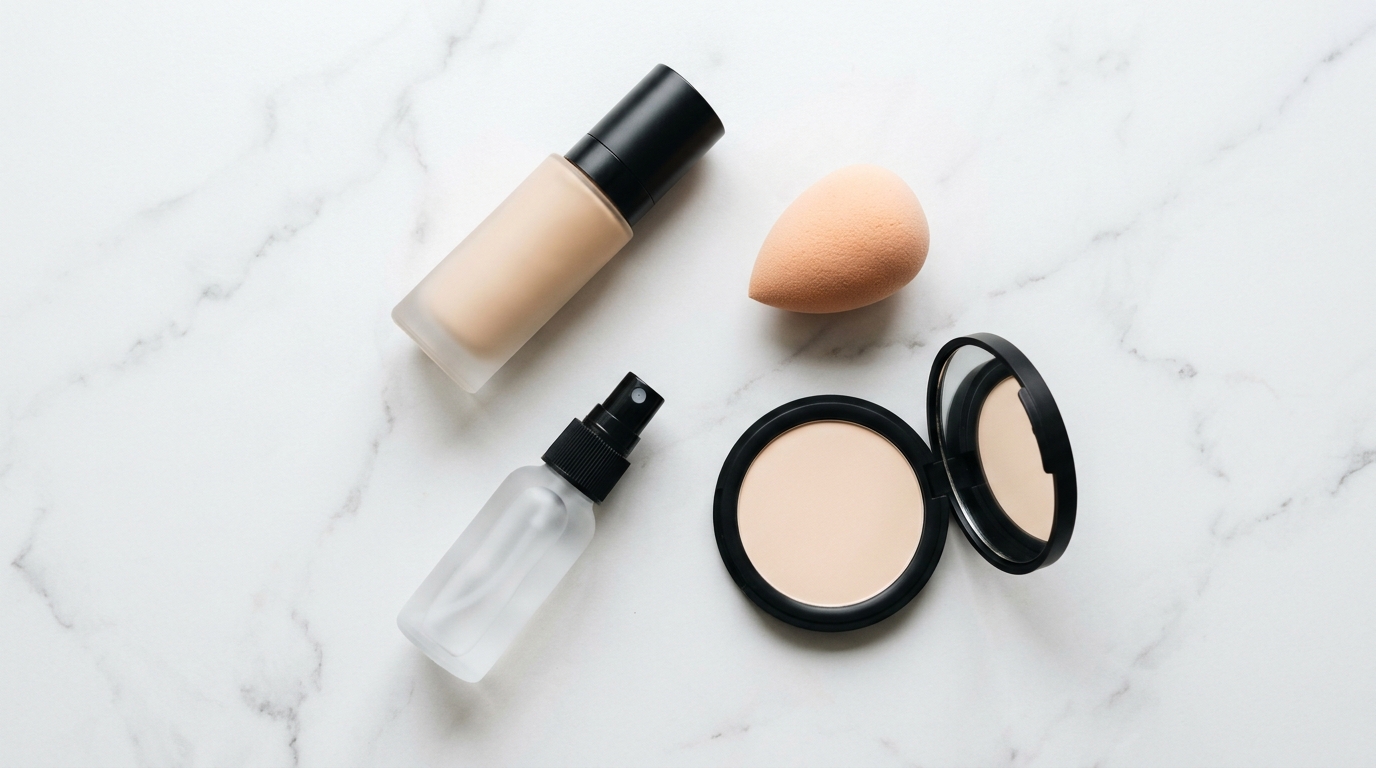
When shopping for foundation, look past marketing claims and check the ingredient structure and finish descriptions:
- Oil-Free and Non-Comedogenic: The formula should not contain heavy plant oils, mineral oil, or synthetic esters that degrade matte wear.
- Matte or Soft-Matte Finish: These formulas contain silica, clay (kaolin), or specialized polymers that absorb sebum throughout wear.
- Transfer-Resistant and Long-Wear: Formulations advertising 12-hour to 24-hour wear use flexible film formers that flex with facial expressions without cracking or dissolving.
- Liquid vs. Powder Formulas: High-performance liquid foundations offer flexible, buildable coverage that resists separation. Mineral powder foundations are also an excellent alternative for everyday wear because their mineral pigments naturally absorb surface moisture and oil.
The Application Technique That Prevents Slipping
How you apply your base matters just as much as the bottle you buy:
- Dispense Sparingly: Use one pump or less of liquid foundation on the back of your hand. Applying excess product creates a thick layer that cannot grip the skin.
- Use a Damp Makeup Sponge: A damp blending sponge absorbs excess foundation and presses pigment directly onto the skin rather than painting it across the surface like a brush.
- Stipple, Never Drag: Use bouncing, stippling motions to press the foundation into your skin. Dragging or wiping motions disrupt the primer underneath and create streaks that break apart when oil surfaces.
- Build Coverage Incrementally: If you have redness or dark spots, layer a second thin veil only over those specific zones instead of coating your entire face in heavy pigment.
Strategic Concealing for Blemish and Under-Eye Longevity
Concealer provides pinpoint coverage, but on oily skin, it can quickly migrate into fine lines or gather around active breakouts.
Blemish Concealing Without Slippage
For pimples and post-acne marks, select a self-setting, oil-free cream or liquid concealer that matches your exact foundation shade. Pick up a tiny amount on a dense, fine-tipped synthetic brush and tap it directly onto the center of the blemish.
Feather the edges outward with your fingertip or sponge, leaving the highest density of pigment over the mark. Let it sit untouched for thirty seconds before dusting with translucent powder to anchor it.
Keeping Under-Eyes Fresh
Under-eye skin is naturally thinner and contains fewer oil glands than the rest of the face, but eye cream and foundation can cause under-eye concealer to crease.
Use a lightweight, hydrating concealer under the eyes rather than an overly drying matte formula that exaggerates fine lines. Apply two small dots at the inner corner and one at the outer corner, blend upward, and set immediately.
Setting Techniques That Lock Makeup in Place
Setting is the defining step in preventing makeup from getting greasy. Without proper setting, even the best matte foundation will succumb to natural oils.
The Powder Step: Master the Press-and-Roll Technique
Many people sweep loose powder across their face with a large, fluffy brush. While this creates a light dusting, it merely rests powder on top of your liquid base without binding them together.
For genuine staying power, use a velour powder puff or a damp makeup sponge paired with finely milled translucent setting powder:
- Dip your powder puff into translucent loose powder.
- Work the powder into the fibers of the puff by massaging it against the back of your hand. This removes excess chunks and ensures an even distribution.
- Gently press and roll the puff against your skin, starting in the T-zone and moving outward.
- The rolling motion pushes the microscopic powder particles directly into the liquid foundation, creating an interlocked, oil-resistant seal.
To Bake or Not to Bake?
“Baking” involves packing a thick layer of loose powder onto areas prone to shine and letting it sit for five to ten minutes while body heat sets the foundation, after which the excess is swept away.
While baking creates an exceptionally durable matte finish for photography or long evenings, it can look dry, heavy, and textured in direct daylight. For everyday wear, targeted pressing and rolling delivers equal longevity with a far more natural, skin-like finish.
Setting Sprays: The Final Barrier
Setting spray is not just scented water; it is a vital chemical seal. Look for sprays containing polymers like PVP (polyvinylpyrrolidone) or AMP-acrylates copolymer. These ingredients form a flexible, micro-thin web over your makeup that holds pigment in place while repelling both oil and moisture.
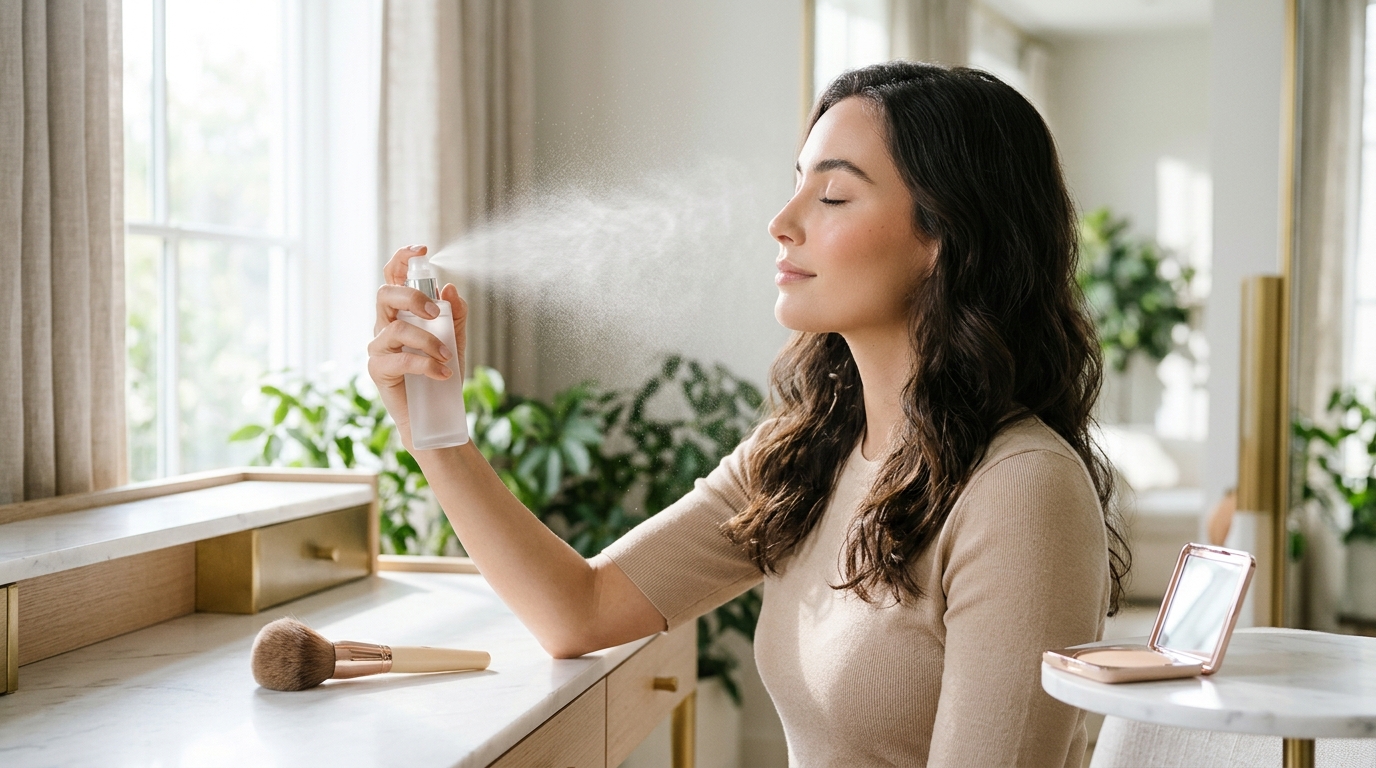
Hold the bottle eight to ten inches away from your face. Close your eyes and mist in an “X” formation followed by a “T” formation. Do not touch or fan your face while it dries. Allow the mist to evaporate naturally so the film formers set properly.
Eye and Brow Longevity on Oily Lids
Oily eyelids are a frequent cause of smudged eyeliner, creased shadow, and mascara flaking. Extending wear to your eye area requires dedicated attention.
- Always Prime Eyelids: Eye primers differ from face primers; they contain high concentrations of talc, isododecane, or silica designed to neutralize sebum on delicate eyelid skin. Apply a tiny dot from lash line to brow bone before any shadow.
- Set with a Skin-Tone Shadow: Before applying deeper shades, dust a sheer layer of translucent powder or an eyeshadow that matches your lid tone. This gives blending pigments an oil-free surface to glide over.
- Tubing Mascara Is Superior: Traditional waterproof mascara resists water, but because it is formulated with waxes and oils, skin sebum easily breaks it down, creating dark rings under the eyes. Tubing mascaras use polymers that wrap around each lash in water-soluble tubes that oil cannot dissolve.
- Lock Down Brows: Brow pencils can melt when oil pools along the brow bone. Use a waterproof brow pomade or dust brow powder over pencil, then seal with a clear, stronghold brow gel.
Midday Maintenance: How to Prevent Makeup from Getting Greasy
Even the most thorough morning application will face oil breakthrough after six to eight hours. How you handle midday touch-ups determines whether your makeup remains flawless or becomes a cakey mess.
Rule Number One: Blot First, Always
When your forehead or nose begins to shine around 2:00 PM, your instinct might be to reach straight for your compact powder. Resisting that urge is critical. Applying powder directly onto liquid sebum creates a thick paste that clogs pores, settles into fine lines, and looks muddy.
Instead, pull out an oil-absorbing blotting sheet. Gently press the paper onto shiny areas, allowing the specialized wood pulp, flaxseed, or rice paper fibers to soak up the excess sebum. Lift straight up without wiping to leave your foundation undisturbed.
Rule Number Two: Use Pressed Powder Sparingly
After blotting away the surface oil, examine your skin. Often, blotting alone restores a pleasant soft-matte finish without adding any product. If you still need extra coverage or shine control, lightly press a translucent pressed powder onto the T-zone with a clean puff or small travel brush.
Step-by-Step Routine: Makeup for Oily Skin That Lasts All Day
To help you put everything into action, here is your quick-reference morning checklist:
| Step | Action | Recommended Product Type | Waiting Time |
|---|---|---|---|
| 1. Cleanse | Wash with lukewarm water and pat dry | Gentle foaming cleanser with salicylic acid | None |
| 2. Tone | Apply with hands or pad to balance skin | Alcohol-free toner with niacinamide | 30 seconds |
| 3. Hydrate | Apply thin layer to replenish moisture | Oil-free gel moisturizer | 2 minutes |
| 4. Protect | Shield skin with broad-spectrum SPF 30+ | Mattifying fluid or mineral sunscreen | 2 minutes |
| 5. Prime | Press into T-zone and pores | Silicone-based mattifying primer | 1 minute |
| 6. Base | Stipple thin layer with damp sponge | Oil-free, long-wear liquid foundation | None |
| 7. Conceal | Pinpoint blemishes and under-eye | Matte, self-setting liquid concealer | 30 seconds |
| 8. Set | Press and roll into oily zones | Finely milled translucent loose powder | None |
| 9. Seal | Mist evenly in X and T pattern | Polymer-rich matte setting spray | 1 minute air-dry |
Common Mistakes That Ruin Makeup Longevity
Steering clear of these frequent pitfalls will instantly improve your makeup’s staying power:
- Over-Exfoliating Before Makeup: Using harsh scrubs or high-percentage acids right before makeup application inflames the skin and causes uneven patchiness. Keep chemical exfoliants in your nighttime routine.
- Using Dirty Brushes and Sponges: Sponges and brushes accumulate facial oils and old product. Applying fresh foundation with an oil-soaked tool introduces bacteria and reduces product adhesion. Wash your tools weekly.
- Touching Your Face Throughout the Day: Resting your chin in your hands or touching your nose transfers body heat and friction to your base, breaking down the setting seal.
- Layering Too Many Powders: Applying powder foundation over heavy liquid foundation followed by thick setting powder creates an inflexible shell that cracks as your facial muscles move.
Conclusion
Mastering makeup for oily skin that lasts all day is not about fighting your skin or stripping away every drop of moisture. It is about strategic layering, using compatible formulas, and sealing your base with proven techniques.
When you balance hydration, establish an effective primer barrier, apply foundation in lightweight stippled layers, and anchor everything with powder and setting spray, you build a resilient finish that stays fresh from morning to night.
Your next step: start tomorrow by tweaking your skin prep. Introduce an oil-free gel moisturizer, allow it to absorb fully, and test the press-and-roll powder technique on your T-zone. You will immediately notice a difference in how your makeup wears throughout the day.
FAQs
Q1: Can people with oily skin use dewy foundations?
Dewy foundations contain high concentrations of oils and light-reflecting emollients that break down rapidly when mixed with natural sebum. If you prefer a radiant finish over a completely matte look, choose a satin-finish, oil-free foundation, apply a mattifying primer to your T-zone, and add liquid or powder highlighter exclusively to the high points of your cheekbones.
Q2: How many times a day should I blot my face?
Most people with oily skin find that blotting once or twice during an eight-to-ten-hour workday is ideal—typically once around lunchtime and once in late afternoon. Blotting too frequently can cause mechanical friction and irritate the skin, so reserve blotting sheets for when visible shine begins to break through.
Q3: Why does my foundation separate around my nose?
The crevices of the nose have the highest density of active sebaceous glands and experience constant micro-movements from breathing and facial expressions. Foundation often separates here because too much product is applied. Keep foundation around the nostrils minimal, use an eye primer or mattifying primer on the sides of the nose, and set firmly with translucent powder.
Q4: Does setting spray really make a difference for oily skin?
Yes, high-quality setting sprays contain film-forming polymers (such as PVP) that knit your powder and liquid layers into a continuous, water-resistant and oil-resistant shield. While setting spray alone cannot compensate for poor skin prep, using it as the final step after powder significantly extends wear time.
Q5: Should I use loose powder or pressed powder for oily skin?
Loose translucent powder is best for your initial morning application because its micro-fine texture absorbs oil and locks foundation into place without adding excess pigment or weight. Pressed powder contains binding agents that make it less absorbent for initial baking, but it is much more portable and mess-free for light midday touch-ups.