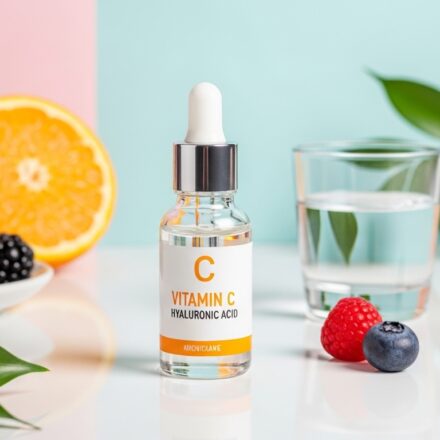

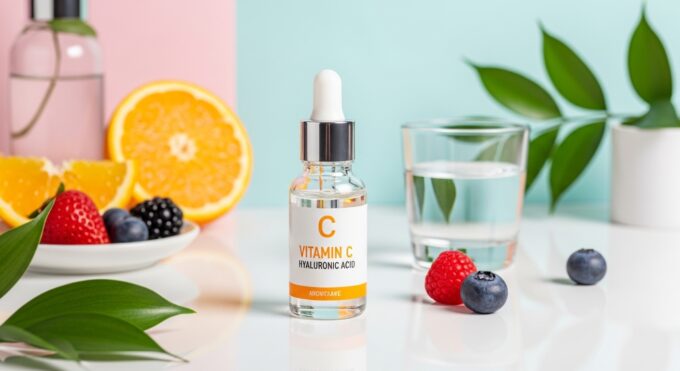
Vitamin C Serum with Hyaluronic Acid for Face
Vitamin C Serum with Hyaluronic Acid for Face has become a staple in modern skincare, and for good reason. Dullness, dehydration, and uneven color of skin are the common ailments of today because of the environmental stress, aging and lifestyle effects.
Table Of Content
- Vitamin C Serum with Hyaluronic Acid for Face
- What Is Vitamin C Serum?
- What Is Hyaluronic Acid?
- Why Vitamin C and Hyaluronic Acid Work Better Together
- Key Benefits of Vitamin C Serum with Hyaluronic Acid
- 1. Improves Skin Brightness and Glow
- 2. Fades Dark Spots and Uneven Tone
- 3. Supports Collagen Production
- 4. Deep Hydration
- 5. Strengthens Skin Barrier
- Who Should Use Vitamin C Serum with Hyaluronic Acid
- Who Should Be Careful or Avoid It
- Types of Vitamin C Used in Serums
- How to Choose the Best Vitamin C Serum with Hyaluronic Acid
- How to Use Vitamin C Serum with Hyaluronic Acid
- How Much and How Often to Use
- How to Layer Vitamin C Serum Correctly
- Common Mistakes People Make
- Final Thoughts & Routine Summary
- Frequently Asked Questions (FAQs)
Utilizing a serum with the ability to combine the skin brightening properties of vitamin C and the profound hydrating properties of hyaluronic acid works to address all of these issues at once, leaving the skin radiant, plump, and healthy.
This guide will enable you to come to know the advantages, proper application, frequent errors, as well as, practical outcomes of adding this serum in your routine. It is most convenient with beginners, delicate skins, and people who want to use a minimum but efficient skincare strategy.
What Is Vitamin C Serum?
Vitamin C serum is a topical agent that is used in high concentrations of ascorbic acid (or ascorbic acid derivatives) applied onto the skin surface. In contrast to dietary vitamin C, which is beneficial to general health, topical application provides vital dose to the skin in order to make it look bright and antioxidants.
Vitamin C works on the skin by:
- Destroying the free radicals due to pollution and UV radiation.
- Helping skin to produce collagen to make it firmer and smoother.
- Lessening the dark spots, hyperpigmentation, and tone spots.
Topical vitamin C is a core skincare active as it can resolve several issues at once and it boosts the performance of other actives, such as niacinamide, hyaluronic acid, and sunscreen.
What Is Hyaluronic Acid?
Hyaluronic acid (HA) is a naturally occurring substance in the skin which attracts and retains water. As compared to normal moisturizers, HA gets to the skin to provide deeper levels of hydration and is therefore applicable in all skins, including dry and oily ones.
Hydration vs moisturization:
- Hydration enhances waters in the skin to make it plump and elastic.
- The water is bound in by moisturization and trans-epidermal water loss is avoided.
Dry skin is pretty fake and coarse and looks ahead of its time. HA replenshes moisture that forms a smooth surface that increases the reflective qualities of vitamin C.
Why Vitamin C and Hyaluronic Acid Work Better Together
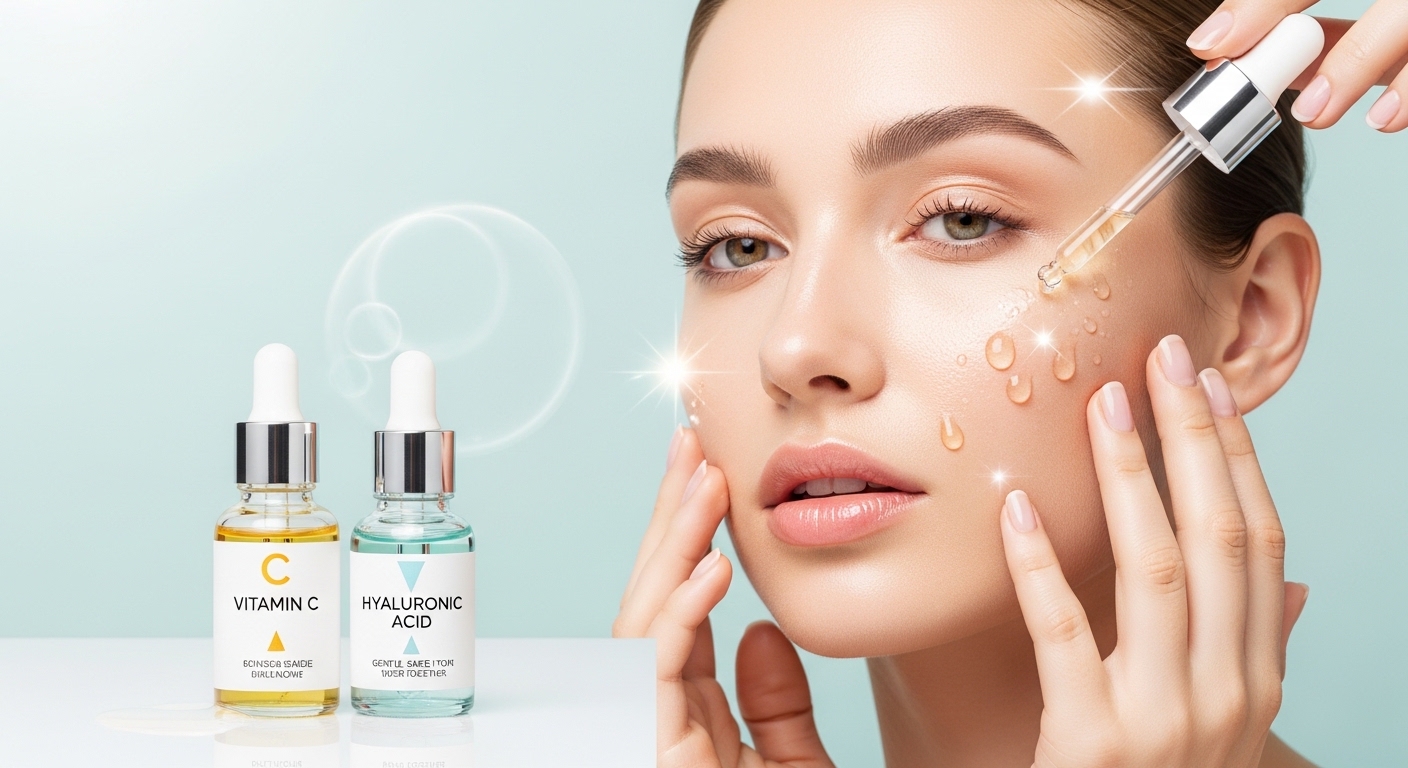
Vitamin C and hyaluronic acid are complementary. Vitamin C improves radiance, whereas hyaluronic acid makes the skin hydrated to make the most of the action of the antioxidant. Wet skin enhances the absorption of vitamin C and reduces the possible irritation, thus this combination is beginner-friendly.
Benefits compared to vitamin C alone:
- Occurrence of increased brightness and luminance.
- Less soreness of sensitive or dry skin.
- Upon better texture and smoothness.
Key Benefits of Vitamin C Serum with Hyaluronic Acid
1. Improves Skin Brightness and Glow
Vitamin C is among the best antioxidants to use in brightening skin. It decreases the production of excess melanin that makes skin dull and make skin tone even. The hyaluronic acid (HA) when used together with it makes the skin look plump and more reflective.
HA saturates the skin-cells with water and makes the skin naturally shiny and enhances the visible effects of vitamin C. This mix means that it does not only make the skin appear lighter at the surface level, but it will also feel healthier and softer.
2. Fades Dark Spots and Uneven Tone
Regular use of vitamin c serum slowly fades hyperpigmentation, sun spots and post-acne discolorations. HA is a supportive factor since it keeps the skin hydrated hence increased skin damages are repaired faster and also it increases the penetration of the serum.
With time, the dark spots become less prominent, the skin tone becomes more refined and regular, and it has the obvious appearance of a youthful and healthy skin.
3. Supports Collagen Production
Vitamin C is also essential in the production of collagen, a protein that helps the skin to remain firm and elastic. They can lessen early fine lines, and tighten skin structure, and HA aids in preserving the skin elasticity since it keeps skin hydrated.
They can be used together as a dual way of fighting against the first indications of aging, the one as being helpful in repairing the structures and the other as maintaining the skin plump and supple.
4. Deep Hydration
The hyaluronic acid is a humectant, or, in other words, attracts and holds water. When used together with vitamin C, it makes the skin stay deeply hydrated as well as improving the penetration of the serum.
A soft, smooth and elastic hydrated skin minimizes the effect of fine lines and gives the skin a more radiant effect. Hydration is also necessary to avoid flaking or irritation that are occasionally found with strong actives such as the vitamin C.
5. Strengthens Skin Barrier
With healthy and humid skin, the support of the environment, like pollution, UV rays, and extreme weather, is more resilient. Vitamin C helps prevent oxidative stress, and HA helps the skin to remain moist to decrease its sensitivity and inflammation. Enhancing the barrier is an upgrading of the general health of the skin, reducing redness, and making other skincare items even more effective in your collection.
Who Should Use Vitamin C Serum with Hyaluronic Acid
This serum is perfect in the case of an extensive variety of skin issues:
- Dull, tired-looking skin: Vitamin C gives life to the skin and HA brings instant hydration to the skin.
- Dry or dehydrated skin: HA guarantees a deep hydration effect that allows skin to lose its flattened and hard structure.
- Early signs of aging: The first ones are fine lines, loss of the skin elasticity, and slight sagging which can be addressed with collagen support and water.
- Uneven tone or pigmentation: Vitamin C makes dark spots light and blushes out the skin.
- Oily skin needing lightweight hydration: In comparison to heavy creams, this serum balances the skin and keeps it fresh because it does not clog the pores.
Who Should Be Careful or Avoid It
Care should be taken in the case of people with:
- Very sensitive or compromised skin: Intense vitamin C may result in stinging or irritation.
- Active breakouts or inflamed acne: Vitamin C will irritate the skin when applied to the inflamed areas.
- Recently exfoliated or damaged skin barrier: Vitamin C may increase the erythema and sensitivity on the broken skin.
Patch Testing: Put a small piece on the inside arm or behind the ear and wait 24hrs to see whether there is any reaction and when using higher concentrations or when it is the first time people do the test.
Types of Vitamin C Used in Serums
The vitamin C exists in various forms:
-
Pure Ascorbic Acid: The strongest one, provides fast brightening and antioxidation effects, and is likely to be offensive to look at on sensitive skin.
-
Vitamin C Derivatives (Sodium Ascorbyl Phosphate, Magnesium Ascorbyl Phosphate): Gentler, more stable, slower-acting, ideal for beginners or sensitive skin.
Key Considerations:
- Vitamin c easily becomes oxidized; air, light or heat lowers its efficacy.
- Focus is more important than brand. An increase in percentages does not necessarily benefit those who are new.
- Effectiveness and shelf life is enhanced by the use of stability-enhancing ingredients such as ferulic acid or vitamin E.
How to Choose the Best Vitamin C Serum with Hyaluronic Acid
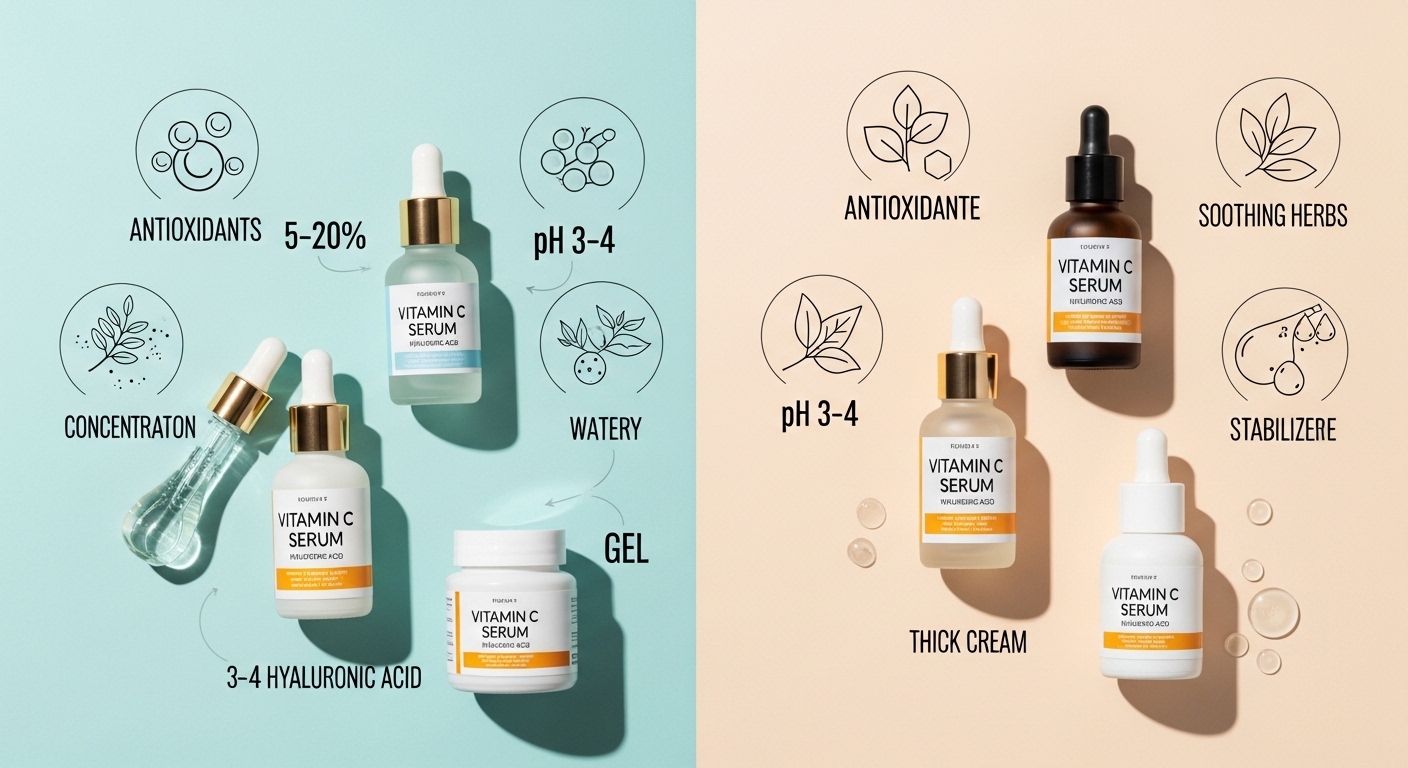
When selecting a serum:
Concentration: 10-20 percent of the vast majority of beginners; users of sensitive skin should begin with 5-10 percent.
pH Level: Vitamin C is active only at a slightly acidic level; the composition is usually pH 3- 4.
Texture: Watery serums absorb quickly, gels suit combination skin, and thicker serums benefit dry skin.
Complementary Ingredients: seek antioxidants, relaxing agents, and stabilizers, eschew irritating fragrances and alcohols.
A well-formulated serum provides efficacy and minimizes the probability of sensitivity.
How to Use Vitamin C Serum with Hyaluronic Acid
Morning Routine:
Clean: Cleanses the dirt and excess oils to increase the absorption.
Vitamin C Serum: Rub all over neck and face.
Moisturize: Seals the hydration and also improves barrier of the skin.
Sunscreen: Necessary; UV light may reverse brightening effects.
Night Routine:
- The nighttime use can be utilized to boost antioxidant protection.
- Use an alternative such as retinol or chemical exfoliants because they are not irritating.
- Frequency: It depends on the skin tolerance, begin with the sensitive skin slowly.
How Much and How Often to Use
Amount: Face and neck will need no more than pea-size coverage.
Frequency: Begin at the start of the day or with alternation; change according to tolerance.
Signs of Overuse: Redness, stingy, flaking, dryness all show that you have to decrease the frequency or concentration.
Slow progress would guarantee compliance in the long run and lower chances of irritation.
How to Layer Vitamin C Serum Correctly
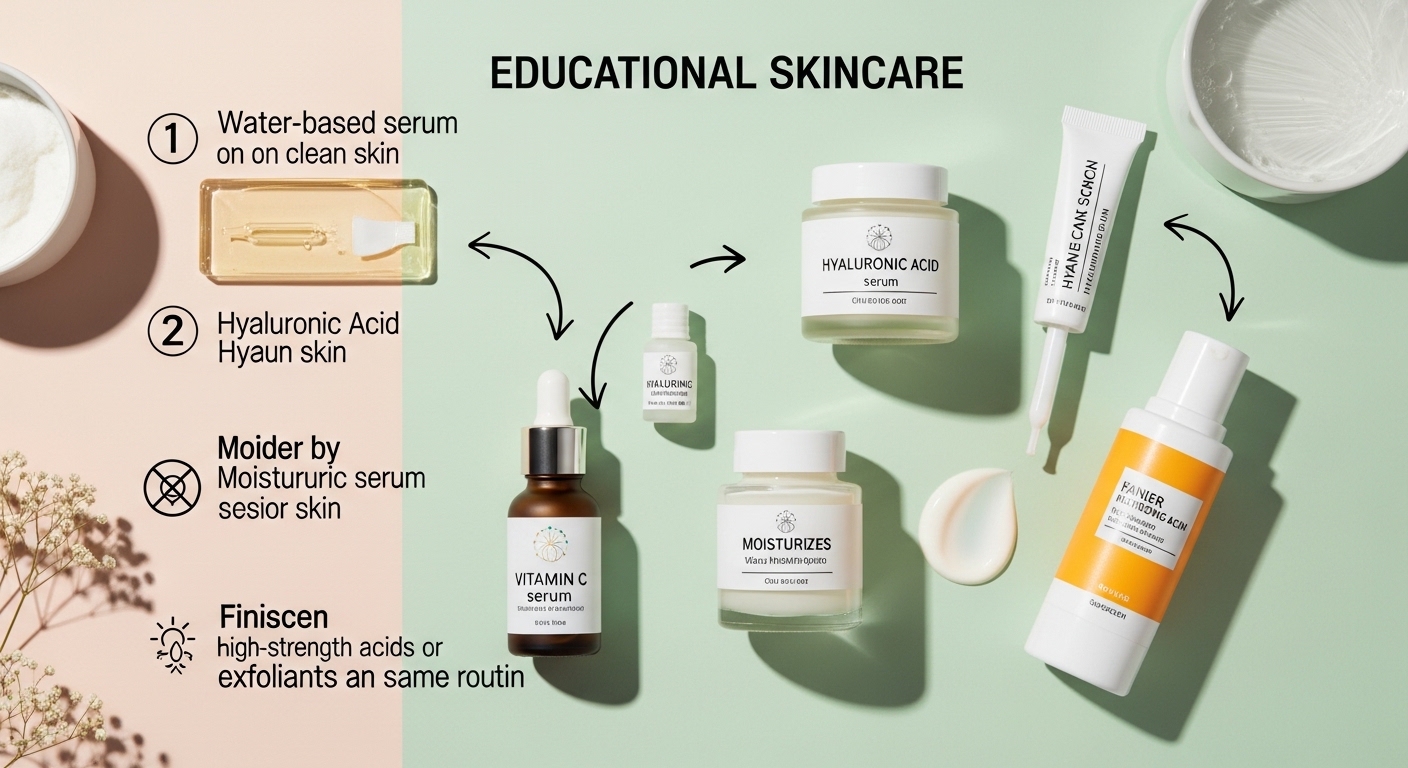
- Put on water based products initially.
- HA is not in the same serum and therefore follow.
- Apply moisturizer to seal in moisture.
- The last step in the morning is the use of sunscreen.
- It should not be piled with acids of high degree or even exfoliating acids simultaneously to avoid irritation.
Layering is used properly to make the maximum absorption of each active ingredient effective.
Common Mistakes People Make
- Too soon using high concentration.
- Missing the use of sunscreen.
- Taking vitamin C with actives that will not go well together and without time.
- Trying to see fast outcomes; it takes weeks to see progress.
- Poor storage that causes oxidation and degradation.
These are some of the errors you should avoid so that your serum could produce maximum possible results without harming.
Final Thoughts & Routine Summary
Vitamin C Serum with Hyaluronic Acid for Face is versatile, beginner-friendly, and effective for improving skin brightness, hydration, and long-term resilience. It offers protection against antioxidants, collagen support and deep hydration, which means that it takes into consideration multiple skin issues without overworking the skin.
Best Practices:
- Be light in consistency, however do not abuse.
- Apply correctly in layer first with water, then HA and moisturizer.
- Proper results will be achieved by having sun protection and healthy lifestyle habits.
In the long term, this combo will rejuvenate, minimize dark lines, even out texture, and build barrier in the skin, and is an effective everyday product that everyone can use.
Frequently Asked Questions (FAQs)
Q1: Can beginners use vitamin C serum?
Yes, start with low concentrations and gradually increase.
Q2: Is tingling normal?
Mild tingling is common, especially with new users or higher concentrations.
Q3: Can vitamin C cause breakouts?
Unlikely, but heavy or oily formulations may clog pores in some skin types.
Q4: Should it be used daily?
Yes, for most skin types, daily use with sunscreen is optimal.
Q5: Is expensive vitamin C better?
Not necessarily; formulation, concentration, and stability matter more than price.