
Skin Plumping Techniques at Home
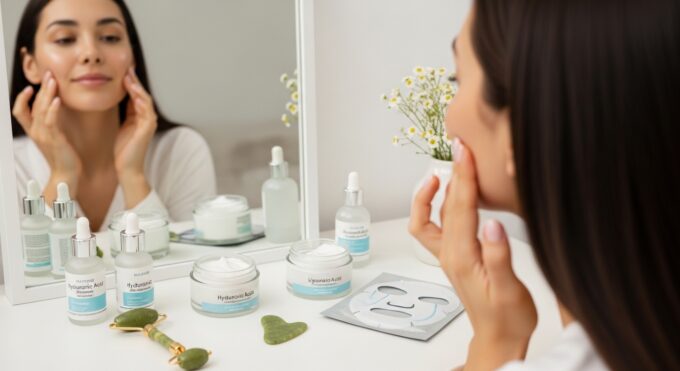
Skin plumping techniques at home offer a simple yet highly effective way to restore your skin’s natural volume, firmness, and youthful glow without relying on expensive treatments or invasive procedures. As time goes by, collagen and elastin may be broken down due to the effects of aging, dehydration, sun damage, stress, and environmental water pollution, which causes the skin to appear fatigued, droopy, or even flat.
Table Of Content
- Skin Plumping Techniques at Home
- Key Takeaways
- Understanding Skin Structure and Volume Loss
- Collagen and Elastin
- Hyaluronic Acid and Natural Moisture Factors
- Key Principles of Home Skin Plumping
- Topical Skin Plumping Techniques
- Hydrating Serums and Creams
- Barrier Repair Moisturizers
- Overnight Masks and Sheet Masks
- Facial Massage and Tools for Plump Skin
- Facial Massage Techniques
- Tools to Enhance Plumping
- DIY Natural Methods for Skin Plumping
- Nutrition and Lifestyle for Plump Skin
- Common Mistakes to Avoid
- How Often to Perform Home Plumping Routines
- When to Consult a Professional
- Final Thoughts
- FAQs
Although people assume that professional means of restoration are the only way to make a person look plump, as a matter of fact, regular, focused, at-home treatments can work miracles. With a balance of appropriate moisture, support of the skin, the use of gentle facial stimuli, and nutrient-rich skincare, you will enhance the skin elasticity, reduce fine lines, and end up having a radiant and supple complexion.
These methods will suit any type of skin: dry, oily, sensitive, or combination and will not impose unnatural and quick changes on your skin but rather help to improve its natural organization. From hydrating serums and moisturizers to facial massage, natural masks, and lifestyle adjustments, skin plumping techniques at home empower you to take control of your skin’s health.
Key Takeaways
- Consistent skin plumping techniques at home restore hydration, firmness, and radiance.
- The hydrating serums, barrier-repair creams, and natural masks are also necessitated to ensure the toning of volume.
- Altering circulation, elasticity and uptake of skincare products, facial massage and safe tools enhance the process.
- Skin becomes naturally plump when one is nourished, hydrated, sleeps and the stresses are managed.
- Routine adaptation to your skin type predetermines safe and effective and long-term outcomes.
Understanding Skin Structure and Volume Loss
The key to enhancing skin plumping at home successfully is to have knowledge of the reasons behind skin loss of volume and its firmness. Collagen, elastin and hyaluronic acid are the three very important components of the skin structure.
Collagen and Elastin
Collagen serves as a source of structural support and makes the skin firm and elastin enables the skin to stretch and spring back. With old age, our bodies produce less collagen causing a focus on the sagging skin, fine lines and skin becoming plump. The environmental conditions such as UV exposure and pollution are hastening this loss and hence preventive care is necessary.
Hyaluronic Acid and Natural Moisture Factors
A molecule, the hyaluronic acid, retains the water in the skin making it full and keeping it hydrated. When the skin is dry or strained, the concentration of hyaluronic acid decreases leading to a deflated or coarse skin.
Moisture retention is crucial for maintaining elasticity and volume, which is why hydration-focused techniques are a cornerstone of skin plumping techniques at home.
Key Principles of Home Skin Plumping
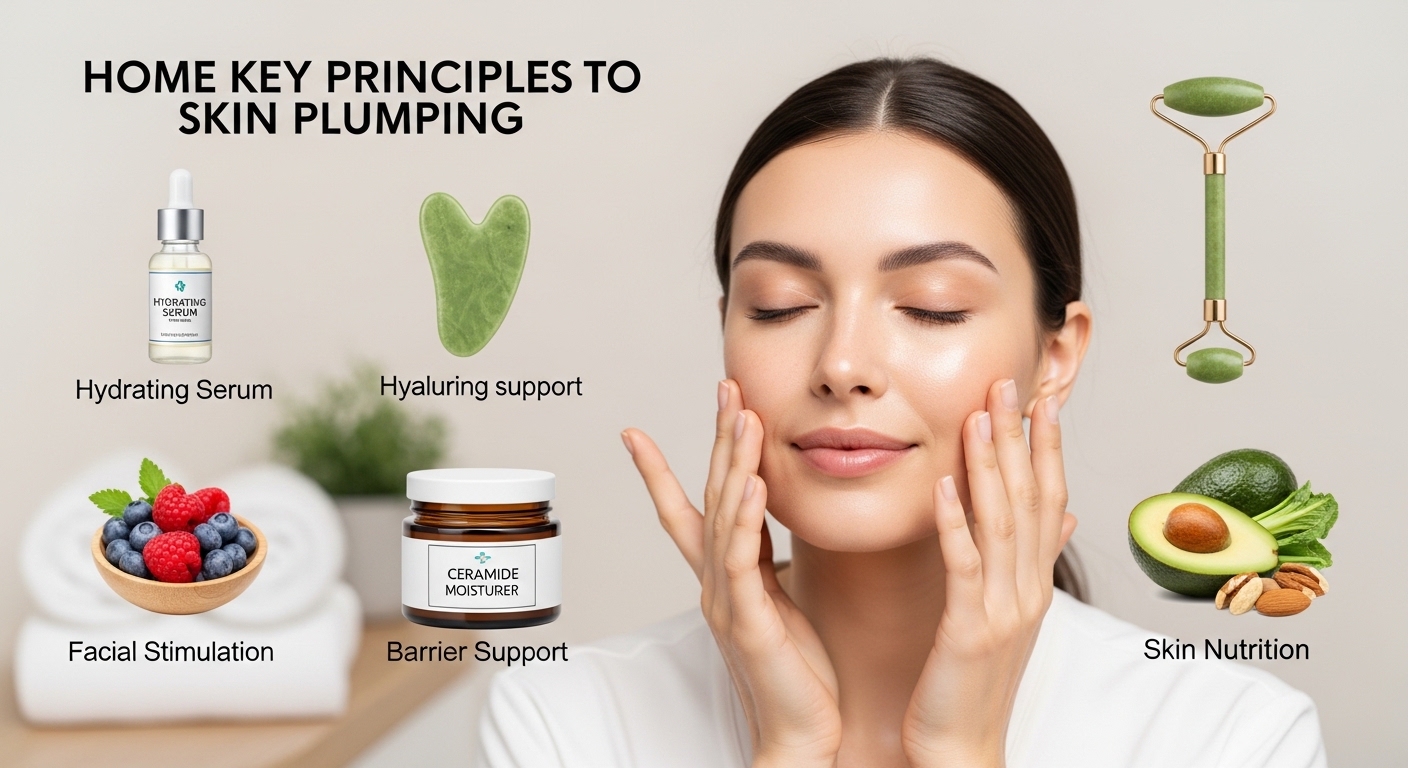
The plumpness should be achieved through hydration, barrier support, stimulation, and nutrition.
Hydration: Hyaluronic acid and glycerin are humectants that help attract water into the skin, this is important on serums and moisturizers.
Barrier Support: Reenforce the protective layer of skin with ceramides, fatty acids and emollients, in order to avoid the loss of moisture.
Gentle Stimulation: Facial massage, lymphatic drainage or facial exercises enhance the flow of blood and stimulates the production of collagen.
Nutrition: It should include consuming rich collagen foods, antioxidants, and healthy fats that promote skin structure and plumpness in general.
All of these principles make sure that the skin is nourished both internally and externally, to achieve long-term volume and strength.
Topical Skin Plumping Techniques
Hydrating Serums and Creams
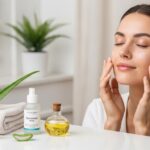
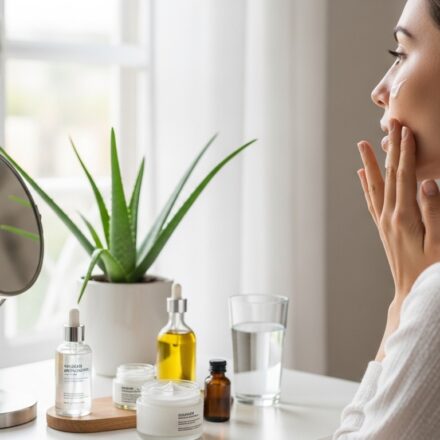
Hyaluronic acid, peptide, or glycerin serums penetrate deeply into the skin to replace the amount of water in it and aid in elasticity. Use these serums after cleansing and toning, and rub them softly into the skin so that they can be absorbed. Apply an oil to keep the skin hydrated and to plump the skin and make it smooth.
Barrier Repair Moisturizers
Ceramides, squalane, and fatty acids found in moisturizers ensure the safety of the skin barrier and recovery. The healthy barrier does not only preserve the moisture, but also eliminates irritation and redness, which would make the skin look deflated or fatigued. Applied over a serum, a barrier-repair moisturizer can be used to give the skin a boost of hydration and plumpness.
Overnight Masks and Sheet Masks
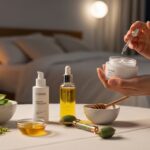
Hydrating masks are very suitable in increasing skin volume during sleep. Hydro-ionized sheet masks are humecturants, peptides or natural oils, which deliver an extra, intensive moisture boost, to reducing the look of fine lines and enhancing skin elasticity. Wear these masks once or twice a week to ensure and keep the face plump.
Facial Massage and Tools for Plump Skin
Facial Massage Techniques
Facial massage promotes blood circulation, lymphatic drainage and collagen synthesis. Gently stroke the forehead, jawline and cheeks in an upward direction. Rotary movements around the eyes and temples may ease the puffiness and enhance the general skin color. Facial massage 3-5 minutes per day can be seen to actually become plump and firm with time.
Tools to Enhance Plumping
Combining such effects of massage can be done with the usage of tools such as jade rollers or gua sha stones or even home-safe versions of microcurrent devices. These products aid in the enhancement of blood flow, contraction of facial muscles and stimulation of the deeper penetration of serums and moisturizers.
Light pressure should be applied at all times and tools should be washed to avoid irritation or accumulation of bacteria.
DIY Natural Methods for Skin Plumping
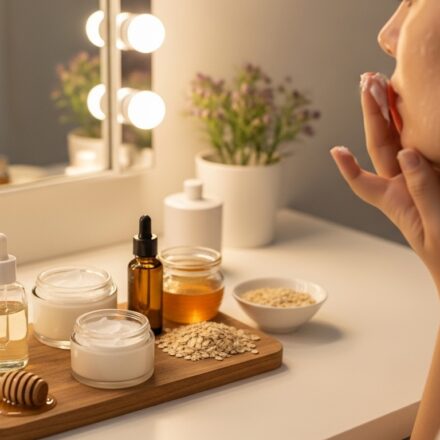
Topical skincare can be used with natural ingredients to help it to be more hydrating and firm:
- Aloe Vera Gel: Reduces stress on the skin and soothes it, as well as hydrating it to restore volume.
- Honey Masks: Contain natural humectants, antioxidants and also make skin soft.
- Oatmeal Packs: Soothe irritation and keep the skin plump and healthy.
- Cold-Pressed Oils: Jojoba or rosehip oil reinforces the barrier and seals the hydration.
- Hydrating Fruit or Vegetable Masks: Cucumber, papaya and avocado masks are able to nourish and volumize the skin without the need to use any chemicals.
These simple at-home remedies support skin plumping techniques at home without the need for harsh chemicals or expensive treatments.
Nutrition and Lifestyle for Plump Skin
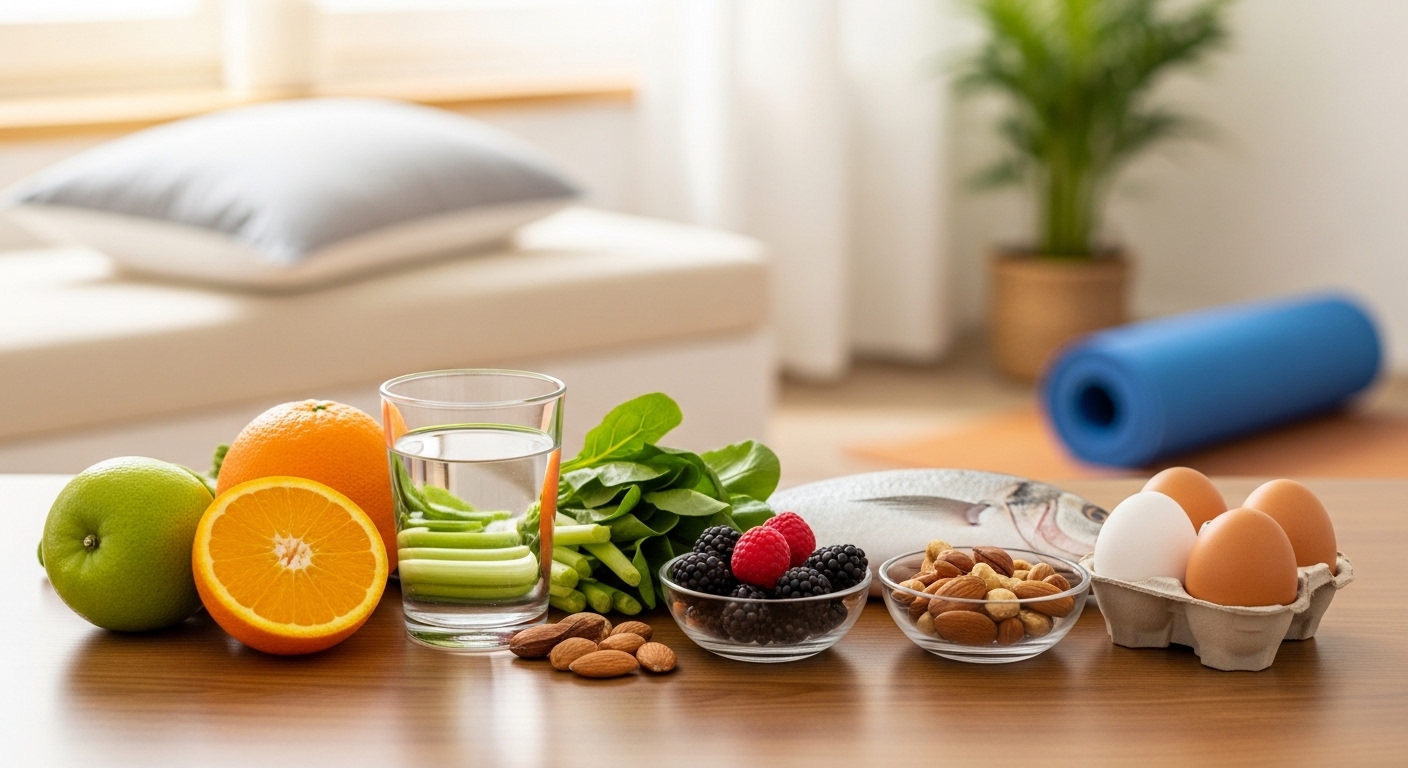
Outside hydration and care is combined with lifestyle choices:
Collagen-Rich Foods: Bone broth, fish and egg whites contain collagen, which maintains structural proteins in the skin.
Vitamins and Antioxidants: Vitamins C and E along with the use of antioxidant fruits and vegetables help to protect collagen and combat oxidative stress.
Hydration: Drinking lots of water and taking foods that hydrate the skin also increases the effectiveness of serum and moisturizer.
Sleep and Stress Management: Proper sleep is essential to repair of the skin, and stress reduction promotes the integrity of the barrier and inhibits the loss of cortisol-induced volumes.
Common Mistakes to Avoid
- Exfoliation may be excessive, leading to the impairment of structural integrity of hydration and barrier.
- Omitting moisturizer or serum, and exposing skin to the danger of being dehydrated.
- The application of heavy oils or creams in the oily sections is not right.
- Lack of sun protection which hastens collagen degradation.
- Use of individual method as opposed to hydration, massage, and nutrition.
By not committing these errors, you will be able to make sure that your at-home plumping will provide safe and long-term results.
How Often to Perform Home Plumping Routines
- Daily: Hydrating serums, moisturizers, soft touch massage.
- Weekly: Sheet masks, night hydrating masks, intensive treatments.
- Adjust Based on Skin Type: Sensitive skin can take fewer intensive sessions; dry skin should be hydrated and take care of the barrier more often.
Stability is central to the preservation of rigidity, mass and luminousness.
When to Consult a Professional
While skin plumping techniques at home are effective, consult a dermatologist if:
Loss of volume or sagittal is acute.
Continued dryness, redness or thinness despite usual attendance.
You are thinking of using techniques at home along with professional ones such as fillers or microcurrent therapy. Qualified advice guarantees effective, safe and focused solutions.
Final Thoughts
Implementing skin plumping techniques at home can dramatically improve your skin’s hydration, elasticity, and overall appearance. With the hydrating serums, the barrier-repair moisturizers, the soothing massage, the natural remedies, and the supportive lifestyle options, one can have a plumper, smoother and more radiant looking complexion without drastic treatments.
Long-term outcome is the secret of consistency, using a proper technique, and being careful. The home-based plumping techniques are not only effective and beneficial in increasing the volume of your skin but also to the overall health of the skin thus making your daily routine a therapeutic and effective one.
FAQs
Q1: What are the best at-home methods for skin plumping?
Hydrating serums with hyaluronic acid, barrier-repair moisturizers, facial massage, sheet masks, and gentle natural treatments like aloe or honey are most effective.
Q2: How often should I perform skin plumping routines?
Daily hydration and massage, with weekly sheet masks or overnight treatments, are recommended. Adjust frequency based on your skin type and sensitivity.
Q3: Can oily or sensitive skin benefit from home plumping techniques?
Yes. Lightweight, non-comedogenic serums and moisturizers work well for oily skin, while fragrance-free and soothing ingredients suit sensitive skin.
Q4: How long does it take to see results?
Immediate plumping and hydration can be noticed within hours, while improvements in elasticity, firmness, and texture typically appear within 3–4 weeks of consistent care.
Q5: Are natural remedies effective for skin plumping?
Yes. Aloe vera, honey masks, oatmeal packs, and cold-pressed oils help retain moisture, support barrier health, and enhance skin volume naturally.