
Simple Skin Care Routine for Women in 30s
Simple Skin Care Routine for Women in 30s is not about chasing trends or using dozens of products—it’s about understanding your skin, supporting it wisely, and staying consistent. The skin starts to alter in some observable rates as women enter the 30s.
Table Of Content
- Key Takeaways
- Understanding Skin Changes in Your 30s & Building the Foundation
- What Happens to Your Skin in Your 30s?
- Slower Collagen Production
- Hormonal Fluctuations
- Skin Barrier Weakness
- Environmental Damage Starts Showing
- Why Simple Is Better in Your 30s
- Overcomplicated Routines Cause Irritation
- The 5-Step Core Philosophy
- Morning Simple Skin Care Routine for Women in 30s
- Step 1 – Gentle Cleansing
- Step 2 – Antioxidant Serum (Vitamin C)
- Step 3 – Lightweight Moisturizer
- Step 4 – Sunscreen Is Non-Negotiable
- Night Routine – Repair Mode for Women in Their 30s
- Double Cleansing If Needed
- Retinol Introduction (Slow and Smart)
- Barrier-Supporting Moisturizer
- Eye Care in Your 30s – Necessary or Not?
- Early Fine Lines and Dehydration
- Ingredients That Actually Help
- Weekly Treatments That Make a Difference
- Gentle Chemical Exfoliation
- Hydrating Masks
- Common Skin Concerns in Your 30s and How to Handle Them
- Hormonal Acne
- Early Wrinkles
- Pigmentation and Uneven Tone
- Dryness and Sensitivity
- Lifestyle Habits That Matter More Than Products
- Sleep and Skin Repair
- Stress and Cortisol Impact
- Nutrition for Collagen Support
- Hydration Beyond Water
- Seasonal Adjustments in Your 30s
- Winter Routine Adjustments
- Summer Routine Adjustments
- Mistakes Women in Their 30s Commonly Make
- When to See a Dermatologist
- Long-Term Skin Strategy for Your 30s
- Conclusion
- Frequently Asked Questions (FAQs)
- Q1. At what age should women start a proper skincare routine for their 30s?
- Q2. Is retinol necessary in a simple skin care routine for women in 30s?
- Q3. Can women in their 30s still have acne?
- Q4. How important is sunscreen in your 30s?
- Q5. Should skincare change with seasons in your 30s?
You can begin to notice fine lines, dullness, tonal imbalance, dryness or even unforeseen hormone flare-ups that are confusing following years of comparatively foreseeable skin. The bright side is that skin care during your 30s does not necessarily have to be complex and costly to work.
The following realistic, affordable and sustainable routine will save what you possess, fix the initial damage and maintain your skin in good shape in the long run. The major equation is not very difficult: prevention + repair + consistency = permanent radiance. It is a step-by-step guide that takes you through a realistic style that suits the real life and not excellence.
Key Takeaways
- A simple skin care routine for women in 30s focuses on prevention, repair, and consistency rather than trends.
- The 30s are characterized by skin changes, such as loss of collagen, weakening of the barrier, hormonal acne, and sun damage on skin.
- Fewer products in good taste that are used properly are more effective than complicated routines.
- The long term skin health is based on the use of a daily sunscreen and mild hydration. S
- leep, stress management, nutrition, and hydration are the lifestyle habits that greatly influence the quality of the skin.
Understanding Skin Changes in Your 30s & Building the Foundation
What Happens to Your Skin in Your 30s?
Slower Collagen Production
The skin is a structural system which is supported by collagen. At about your early 30s, the production of collagen slows down naturally and the available collagen is lost at a higher rate. This does not instantly make your face old, but it does imply that your skin is fading and gets a little less firm every year.
Fine lines that formerly fade overnight, particularly around the eyes, smile lines, etc. might remain longer. It is necessary to support collagen at this stage by means of sun protection, antioxidants, and easy renewal.
Hormonal Fluctuations
Your 30s are characterized by hormone changes that are usually unpredictable. Adult acne may be the result of stress, pregnancy, or even slight changes in the cycle, as well as postpartum stages or around the jaw and the chin. Meanwhile, the hormones may lower the oil production in other regions, which results in the combination skin that will be both oily and dry simultaneously. This needs balance to be treated rather than vigorous acne treatment products for teenage skin.
Skin Barrier Weakness
Your skin layer is like a protective barrier, which prevents the loss of moisture and entry of irritants. With time this barrier becomes weak, and this happens very frequently, either by excessive exfoliation or by excessive cleansers. This may manifest itself in your 30s as you become sensitive, reddened, dry, and uninterested to look at.
Good products can also poke or cease to work even after the barrier is compromised. The maintenance and repair of the barrier is a priority.
Environmental Damage Starts Showing
The sun rays, the pollution and the lifestyle habits that you followed in your 20s are silently taking their toll. By the age of 30s, that damage starts to manifest itself in the form of pigmentation, uneven tone, and rough texture. This does not imply that you are doomed to ruin but it implies that you will need to protect and repair as part of your day to day life henceforth.
Why Simple Is Better in Your 30s
Overcomplicated Routines Cause Irritation
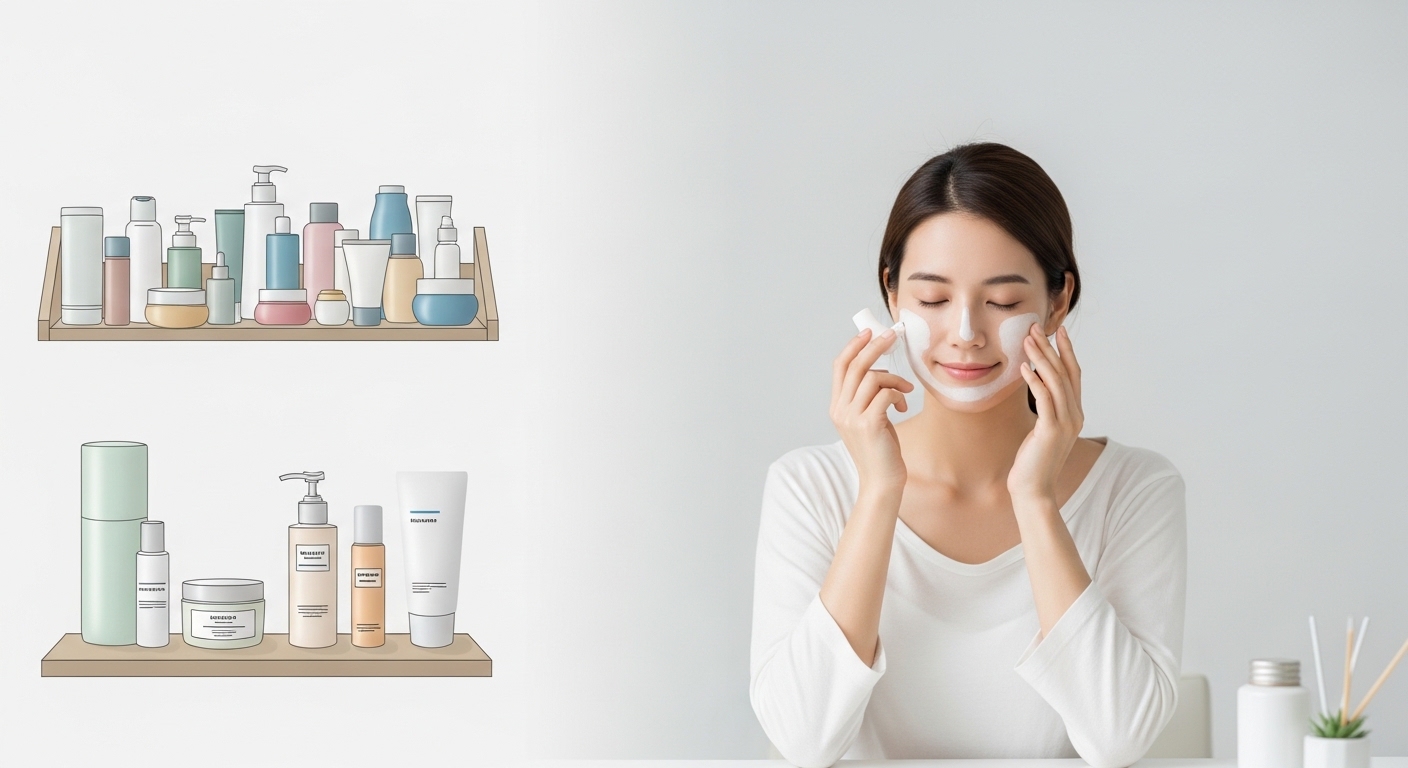
Your skin can be overloaded with too many actives used simultaneously e.g. acids, retinoids, brighteners. This can cause irritation, break out and barrier damage instead of increasing the texture. Skincare chains and trends might seem great, but in the long-run, the skin health is healthier when there are fewer, carefully selected products used regularly.
The 5-Step Core Philosophy
The routine is based on five steps cleanse, treat, moisturize, protect, and repair. These steps when correctly done result in the skin working on its own. It is not a matter of repairing the skin but maintaining it on a daily basis.
Morning Simple Skin Care Routine for Women in 30s
Step 1 – Gentle Cleansing
It should be able to cleanse overnight oil, sweat and product residues and should not strip the skin. Vicious cleansers break the barrier and cause dryness and sensitivity in the long run. Cream based cleansers are preferred in dry or sensitive skin whereas the mild gel cleansers are used in combination or oily skin. Skin must be made to feel relaxed and comfortable after cleansing and not tight.
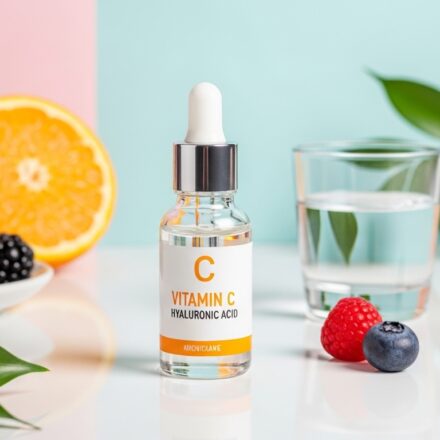
Step 2 – Antioxidant Serum (Vitamin C)
Antioxidants help to shield the skin against the environmental stressors including pollution and UV radiation. Vitamin C also assists in the production of collagen as well as in flattening dull and fatigued skin. As it is regularly used, it helps to even the tone and generally increases radiance. Its use in the morning enhances the defense mechanism of the skin during the day.
Step 3 – Lightweight Moisturizer
Moisture also makes skin firm and pliant. Balancing of skin is necessary in your 30s including oily skin. Lightweight formula becomes hydrated but does not block pores and also aids to reduce the amount of fine lines formed due to dehydration. Such ingredients as ceramides and peptides strengthen the skin barrier and help it to firm with age.
Step 4 – Sunscreen Is Non-Negotiable
The best anti-aging habit that you can have is the use of daily sunscreen. UV exposure increases the rate of wrinkles, pigmentation and collagen. Application of SPF 30 or above every morning even in the house will not harm the strides you have already accomplished in the rest of your routine. At this point, consistency is more important than treatment.
Night Routine – Repair Mode for Women in Their 30s
Double Cleansing If Needed
When you use sunscreen or makeup, it is always good to be careful and use the double cleansing so that the accumulation is completely washed without over scrubbing. The initial wash removes sunscreen, makeup, and pollution whereas the second one cleans the skin subtly. This makes treatment products more absorbent and less congested with time.
Retinol Introduction (Slow and Smart)
Retinol promotes cell renewal and activates collagen, which is useful in the prevention of fine lines and disorganized texture. In your 30s, the key is patience. Begin with a low strength formula which you should apply two to three nights per week, and apply a moisturizer to cushion irritation. As time goes skin adapts and gain more visible benefits without the barrier being impaired.
Barrier-Supporting Moisturizer
It is at night that the skin heals and regenerates. An hydrating and fatty acid-containing ceramide-based moisturizer assists in sealing the moisture and reinforcing the barrier in the process of sleeping. This will make it less dry, enhance the texture, and aid in overcoming daily stress.
Eye Care in Your 30s – Necessary or Not?
Early Fine Lines and Dehydration
The oil glands are lesser and the eye area dries up easily. The presence of fine lines in this area is mostly as a result of dehydration and not deep wrinkles. Light hydration can be seen to be a difference.
Ingredients That Actually Help
Peptides will help firm, caffeine helps to puffiness, hyaluronic acid helps to hydrate. Care of the eye at your age does not concern radical medical help; it is the matter of prevention and comfort.
Weekly Treatments That Make a Difference
Gentle Chemical Exfoliation
It is advisable to exfoliate and wipe off dead cells on skin once in a week in order to make the skin brighter and smoother. Lactic acid exfoliates and hydrates very mildly and glycolic acid exfoliates but in a deeper way but may not be suitable on sensitive skin. Overproduction of exfoliation weakens the barrier therefore should be held back.
Hydrating Masks
The hydrating masks replenish the skin with moisture and also refresh the exhausted skin. They especially prove useful when there are changes of season, stress or even when traveling. They are applied once a week/when needed and leave one radiant without any irritation.
Common Skin Concerns in Your 30s and How to Handle Them
Hormonal Acne
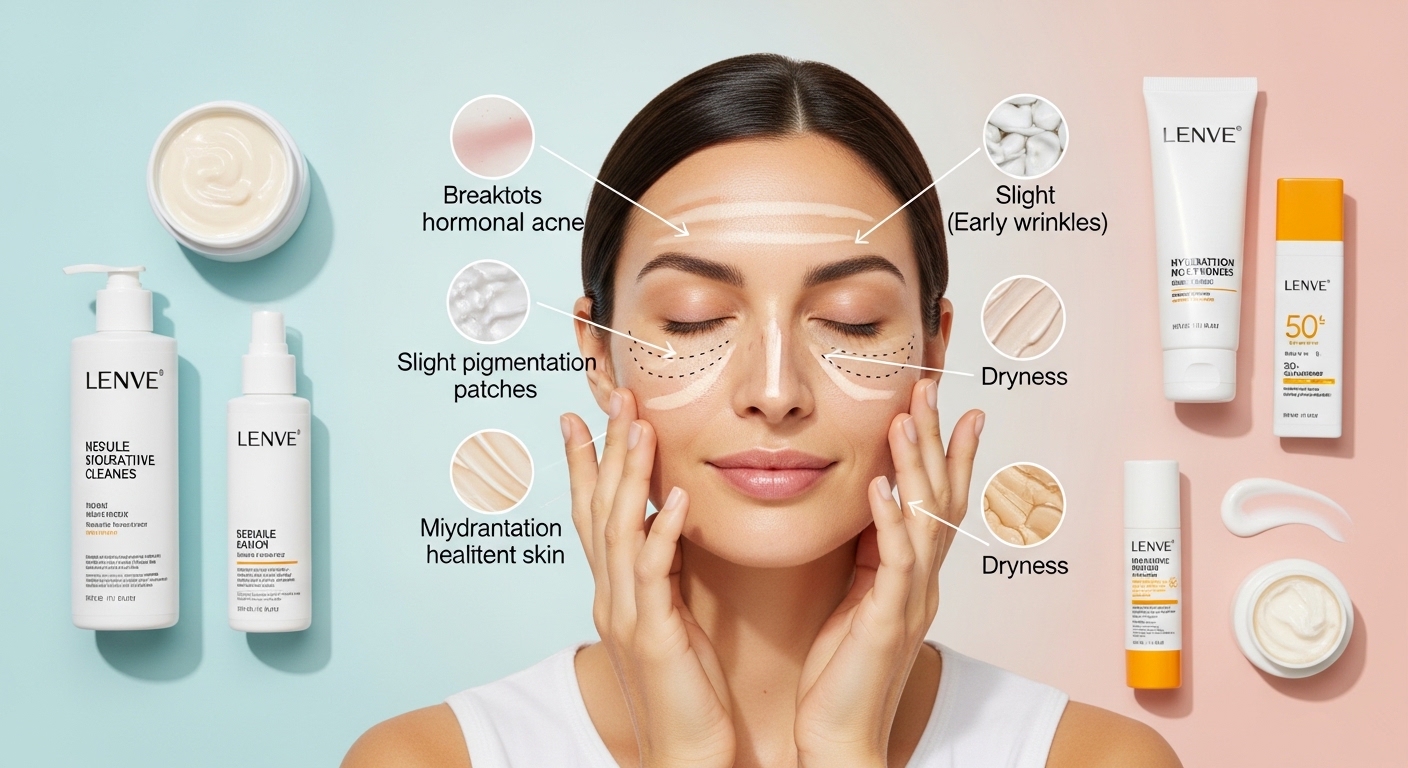
Adult acne has to be treated with delicacy. Breakouts can be caused in part by over-drying products which cause disruption of balance. Good cleansing, mild actives, and hydration are useful in balancing oil and preventing sensitivity.
Early Wrinkles
Wrinkles are best dealt with by prevention. Regular use of sunscreen and retinol after some time helps to provide a more pleasant skin texture and reduce the appearance of aging.
Pigmentation and Uneven Tone
The pigmentation tends to increase at age 30s. Lightening agents combined with tone supportive agents enhance tone slowly and safely when applied regularly.
Dryness and Sensitivity
When skin feels reactive, simplify your routine. Focus on hydration and barrier repair, temporarily reducing strong actives until balance is restored.
Lifestyle Habits That Matter More Than Products
Sleep and Skin Repair
The skin regenerates when one is asleep. Lack of or irregular sleep interferes with this process resulting in dullness and reduced recovery.
Stress and Cortisol Impact
Persistent stress increases cortisol which is the cause of breakouts, sensitivity, and loss of collagen. Stress management helps in maintaining the skin and body health in general.
Nutrition for Collagen Support
Protein contains the building blocks of skin, whereas omega-3 fatty acids and antioxidants allow reducing the inflammation and oxidative stress.
Hydration Beyond Water
Proper hydration incorporates minerals in balance and healthy fats. The skin is a mirror of the inner harmony just like the outer care.
Seasonal Adjustments in Your 30s
Winter Routine Adjustments
Cold air and indoor heating increase moisture loss. Richer moisturizers, reduced exfoliation, and added hydration help protect the barrier.
Summer Routine Adjustments
Sun and heat are risk factors in pigmentation. Clarity is retained by the use of lighter textures, regular use of sunscreens and antioxidants.
Mistakes Women in Their 30s Commonly Make
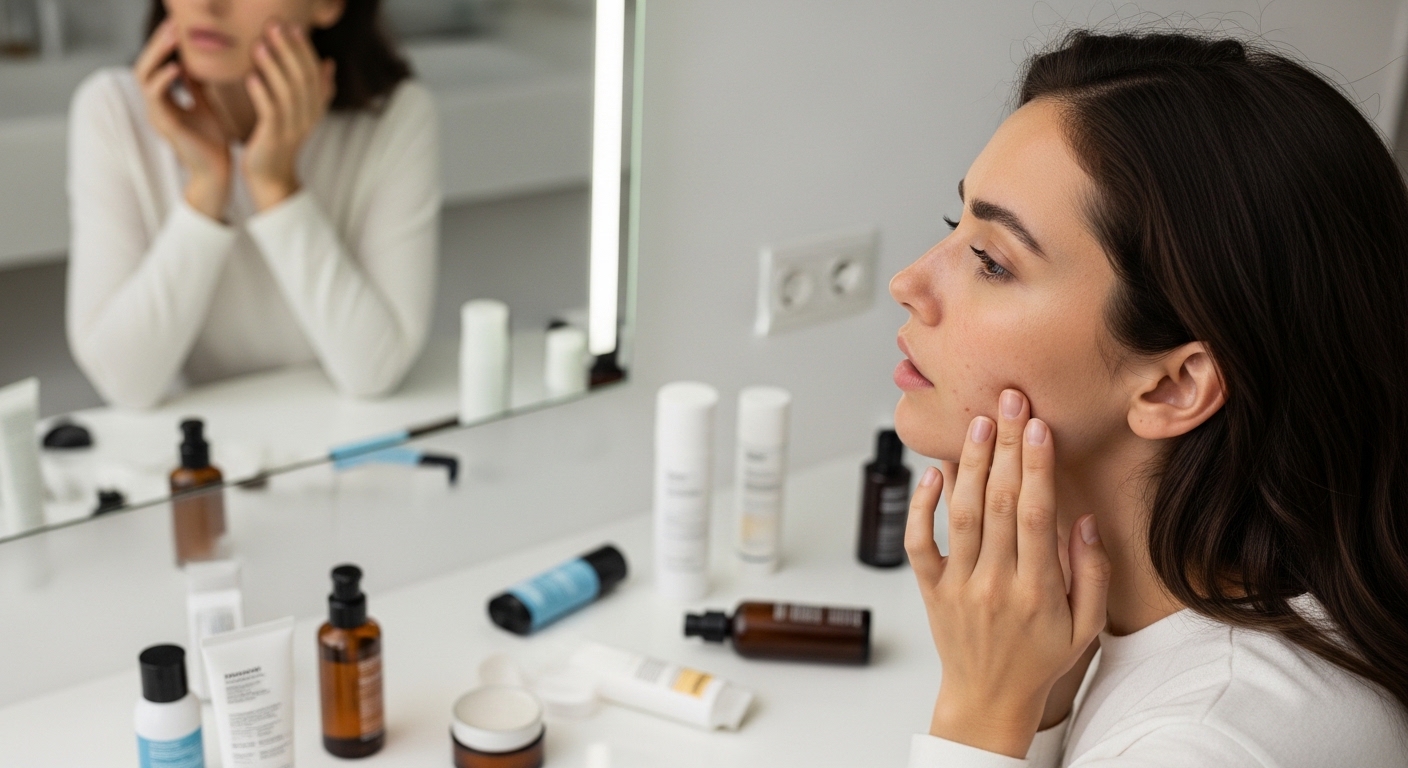
- Omission of sunscreen on a routine basis.
- Use of harsh products against teenage acnes.
- Not paying attention to the neck and hands, and rotating goods a bit too frequently.
- Shedding skin too much in the quest to achieve quick results.
Avoiding such mistakes assists in prolonged advantages of the skin as opposed to the introduction of new products.
When to See a Dermatologist
Nonstop acne, melasma, unforeseen sensitivity or noticeable changes in the behavioral patterns of the skin are some among the areas that can be effectively addressed by a professional. Consultations in time will eliminate future troubles and unnecessary testing of the products.
Long-Term Skin Strategy for Your 30s
Prevention over correction
Consistency over trends
Simplicity over complexity
Conclusion
Frequently Asked Questions (FAQs)
Q1. At what age should women start a proper skincare routine for their 30s?
Ideally, women should begin adjusting their skincare routine in their late 20s or early 30s. This is when collagen production slows down, and early signs of aging such as fine lines, dullness, and uneven texture may start appearing. Early prevention delivers better long-term results.
Q2. Is retinol necessary in a simple skin care routine for women in 30s?
Retinol is not mandatory, but it is highly beneficial. When introduced slowly and used correctly, it helps stimulate collagen, improve texture, and reduce early fine lines. A simple routine can still include retinol just a few nights per week without becoming complicated.
Q3. Can women in their 30s still have acne?
Yes, adult acne is very common in the 30s due to hormonal fluctuations, stress, and lifestyle factors. The key difference is that acne treatment should be gentle and barrier-focused rather than aggressive or drying.
Q4. How important is sunscreen in your 30s?
Sunscreen is essential and non-negotiable. Daily SPF use prevents premature wrinkles, pigmentation, and collagen loss. It is the most effective anti-aging step in any skincare routine, regardless of skin type.
Q5. Should skincare change with seasons in your 30s?
Yes, seasonal adjustments are important. Skin often needs richer hydration in winter and lighter textures with stronger sun protection in summer. Adapting your routine helps maintain balance and prevents unnecessary irritation.