
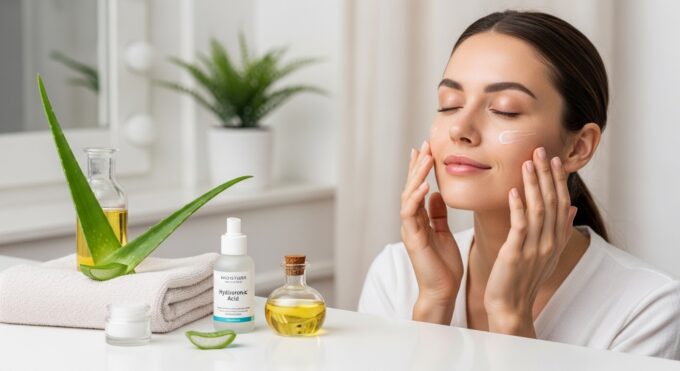
Moisture Therapy for Stressed Skin
Moisture therapy for stressed skin is more than just a beauty trend—it’s a critical step in restoring your skin’s health, balance, and radiance. In the modern world with its hurly and burly, our skin is being faced with environmental factors such as pollution, bad weather, UV rays and lifestyle factors such as lack of sleep, unhealthy diet and stressful situations that are chronic.
Table Of Content
- Moisture Therapy for Stressed Skin
- Key Takeaways
- Understanding Stressed Skin and the Need for Moisture
- Common Causes of Stressed Skin
- Environmental Stressors
- Lifestyle Stressors
- Skin-Related Factors
- How Moisture Therapy Works
- Supporting the Skin Barrier
- Enhancing Skin Hydration
- Reducing Inflammation and Sensitivity
- Key Ingredients for Effective Moisture Therapy
- Step-by-Step Moisture Therapy Routine
- Step 1: Gentle Cleansing
- Step 2: Hydrating Toners or Essences
- Step 3: Serums and Ampoules
- Step 4: Moisturizer Application
- Step 5: Optional Face Oils
- Step 6: Sun Protection
- Lifestyle Habits to Support Moisture Therapy
- Hydration from Within
- Stress Management
- Sleep and Recovery
- Moisture Therapy for Different Skin Types
- Sensitive Skin
- Oily Skin
- Dry Skin
- Combination Skin
- Natural Moisture Therapy Options
- Common Mistakes to Avoid
- How Long It Takes to See Results
- When to Consult a Professional
- Final Thoughts
All these may take away the natural water content of the skin, the wall strength and make the skin dull, tight or nasty. This is where moisture therapy is involved. By focusing on gentle hydration, barrier repair, and soothing ingredients, moisture therapy for stressed skin replenishes lost moisture, strengthens resilience, and helps the skin recover naturally.
In contrast to harsh methods that may increase sensitivity, this one focuses on regular and caregiving treatments that aim at addressing the underlying factors behind the symptoms of dryness and imbalance. Regardless of the type of skin you have, be it dry, sensitive, or combination, the use of moisture therapy does not only make your skin look and feel better but also provides a basis of the long-term health of the skin, which is why it is a mandatory step in every efficient skincare ritual.
Key Takeaways
- Moisture therapy for stressed skin restores hydration, strengthens the barrier, and soothes irritation.
- Washing gently and keeping the skin hydrated is necessary in keeping the skin healthy.
- Humectants, emollients, and occlusives should be used together to increase the amount of moisture that is maintained.
- A custom-made product and routine to your skin type will guarantee safe and efficient outcomes.
- Other lifestyle activities such as sleep, hydration and stress management enhance the effects of moisture therapy.
Understanding Stressed Skin and the Need for Moisture
Stress skin is not just a beauty issue but it depicts underlying physiological problems. Hormone change, especially elevation of cortisol, caused by stress may cause excess oil production, inflammation or compromised barrier functioning. These problems are further worsened by the environmental stressors, including pollution, extreme weather, and UV radiation which cause oxidative stress and damage lipids used to protect the skin.
Moisture therapy for stressed skin works to counteract these effects by restoring hydration, reducing inflammation, and supporting barrier repair. The moist skin is in a position to protect itself better, to be elastic and to react to environmental challenges. A constant supply of water-binding and barrier-strengthening substances will guarantee that stressed skin heals more quickly and has the even and smoother tone.
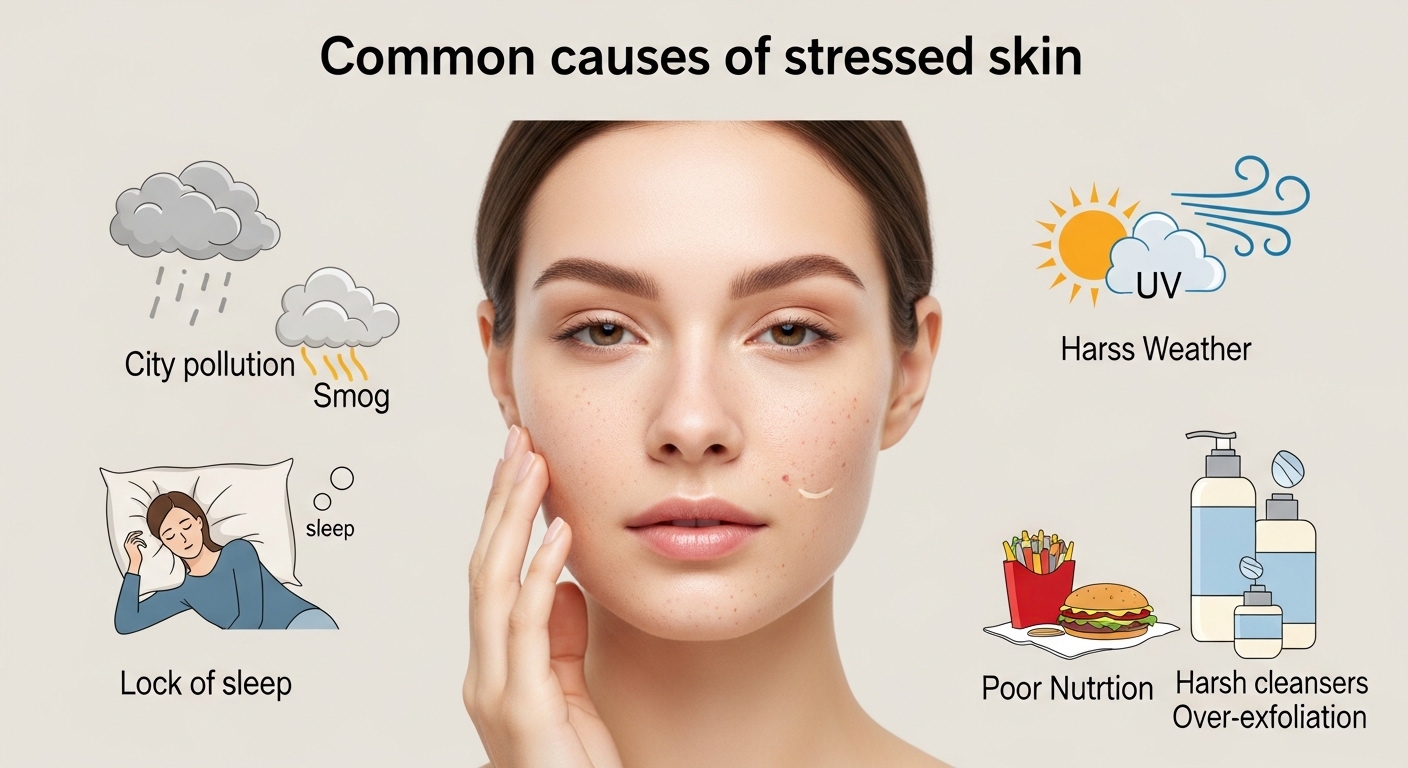
Common Causes of Stressed Skin
Environmental Stressors
- Free radical can be formed through exposure to pollution and toxins which damage the skin cells.
- UV rays stimulate the loss of moisture, destroy collagen and cause aging.
- Severe weather conditions like cold air or dry winds get rid of natural oils and dry skin.
Lifestyle Stressors
- Deprivation of sleep decreases the body capacity to restore the skin at night.
- Bad nutrition and water loss impact the health and hydration of cells.
- Emotional stress is chronic and raises the cortisol that is capable of causing inflammation and oil imbalance.
Skin-Related Factors
- The barrier is inhibited by excessive use of harsh cleansers or chemical treatment.
- Repeated shedding may make skin tender and likely to become dry.
- Poor hydration or failure to use moisturizers hastens stress indications.
Awareness of such causes enables specific moisture therapy to be administered to restore the natural balance of the skin and enhance strength in the long-term.
How Moisture Therapy Works
Moisture therapy for stressed skin focuses on three main goals: strengthening the barrier, enhancing hydration, and reducing inflammation.
Supporting the Skin Barrier
A protective layer of natural moisturising factors and lipids which prevent the loss of water and protect against irritants is the skin barrier.
Once the barrier is broken down the skin is sensitive, dry, and can easily turn red. The barrier is supported by moisture therapy, which provides the skin with necessary lipids, ceramides, and nourishing oils and allows the skin to retain water and be resilient.
Enhancing Skin Hydration
Stressed skin is essential in hydration. Hyaluronic acid and glycerin hyaluronic acid are humectants that incorporate water into the skin, whereas emollients like squalane and fatty acids smooth the surface and make it soft.
This is sealed in with occlusives like plant oils or rich creams to keep down the evaporation forming a plump supple look. Being hydrated also enhances the skin elasticity and it also minimizes fine lines.
Reducing Inflammation and Sensitivity
The skin in the case of stress is usually inflamed, reddened, or irritated. Moisture therapy involves the use of calming ingredients e.g. aloe vera, chamomile or niacinamide to soothe the skin and strengthen its natural defense mechanism.
Balanced and moist barrier is less sensitive which helps stressed skins heal faster due to the environmental or lifestyle induced damage.
Key Ingredients for Effective Moisture Therapy
- Hyaluronic Acid: This is a potent humectant, which attracts and retains water in the skin.
- Glycerin: Moisturises and increases the action of the barrier.
- Ceramides: Restore necessary lipids in the repair of the barrier.
- Squalane: Hydrator that imparts softness and fixes moisture.
- Aloe Vera & Plant Extracts: Soothing irritation and add softness to the skin: hydrates.
- Peptides: Promote barrier resistance and skin healing.
The combination of these ingredients with the use of the products will make sure that the moisture therapy does not only hydrate but also strengthens and protects the stressed skin.
Step-by-Step Moisture Therapy Routine
Step 1: Gentle Cleansing
Wash the skin using a weak, non-stripping detergent that does not dry the skin. Washing with hand using lukewarm water and circular movements, without any friction, is ensured to keep the skin moist and ready to continue with the next steps. Cleansers should be avoided that foam or have higher alcohol content as they will worsen dryness.
Step 2: Hydrating Toners or Essences
Followed with a lotion or humidifying toner or a very light essence to restore the moisture right after cleansing. The layer enables the skin to absorb serums and moisturizers better.
Step 3: Serums and Ampoules
Hyaluronic acid, peptides serums or plant extracts that are soothing are deeper penetrating and re-hydrate stressed skin. Put a couple of drops and rub it into the skin in order to avoid friction.
Step 4: Moisturizer Application
Apply a skincare cream to your skin type:
- Dry skin: Creams or oil-based combinations of richness
- Oily skin: Light hydrating formulae gel-based.
- Combination skin: Regulate the levels of moisture depending on the parts of the face.
An excellent moisturizer seals the moisture and strengthens the skin barrier, eliminating moisture loss.
Step 5: Optional Face Oils
A few drops of a nourishing oil such as jojoba or rosehip can be added to lock in hydration, increase softness and help the skin to recover its barriers. Oils are supposed to be used after moisturizers in order to maximize the benefits of the occlusives and not to clog the pores.
Step 6: Sun Protection
Stressed skin needs to be provided with Daily SPF 30+. Exposure to sunlight increases the rate of moisture evaporation, leads to oxidative stress induced, and exacerbates the amount of damage done to the barrier. Sunscreen and moisturizer medicine help in protecting the skin and preventing dehydration.
Lifestyle Habits to Support Moisture Therapy
Hydration from Within
Topical hydration is augmented by drinking adequate water and eating foods that contain a significant amount of water, such as vegetables and fruits. Good internal hydration is a guarantee to proper functionality of skin cells.
Stress Management
Medicine techniques such as meditation, yoga, or deep breathing lower cortisol levels and slow the inflammation of the skin and disrupting barriers. Mindful relaxation complements moisture therapy for stressed skin.
Sleep and Recovery
When in a deep sleep, the body restores the damaged cells and collagen is produced. Sleep is one of the ways to ensure that stressed-out skin is able to recuperate, maintain moisture, and be elastic.
Moisture Therapy for Different Skin Types
Sensitive Skin
Apply fragrance-free and soothing products that are full of ceramides and aloe vera. Do not use severe exfoliants or alcohol-based formula that undermine the barrier.
Oily Skin
These include lightweight gels, water-based moisturizers and non-comedogenic oils that are used to moisturize without worsening the oiliness. Sebum production can be balanced with the help of clay mask, and at the same time moisture can be retained.
Dry Skin
Night hydrating masks, rich creams, occlusive balms provide long term moisturization. The use of humectants makes sure that it is deeply hydrated and surface guarded.
Combination Skin
Use a multi zone strategy: use creams with a higher concentration of fats in arid regions and hydrators in greasy parts. Specialized moisture treatment averts the unequal condition and general health of the skin.
Natural Moisture Therapy Options
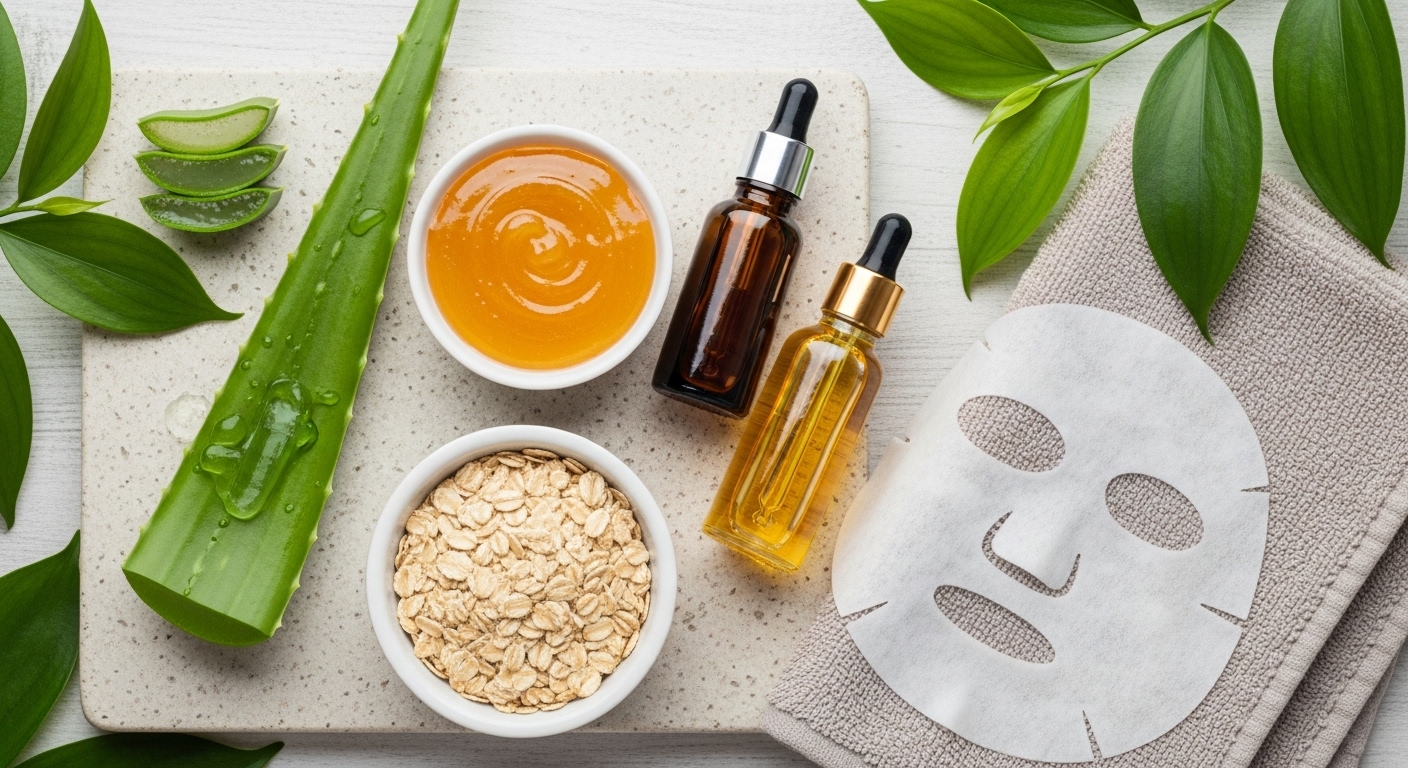
- Aloe vera gel: Cools and soothes irritated skin and is a hydrator.
- Honey masks: Are hydrating and antioxidizing.
- Oatmeal packs: Hydration and calming effects.
- Cold-pressed oils: Cold-pressed Jojoba or rosehip oil to repair the barrier.
- Hydrating sheet masks: Immediate moisture replenishment, particularly to tired or stressed skin.
The use of natural options is to complement the daily skincare and to deliver short-term effects of comforting the stressed skin.
Common Mistakes to Avoid
- Excessive washing or washing with severe products.
- Omitting moisturizers or serums.
- Excessive activity of numerous ingredients on the skin.
- Irresponsible behavior in the daytime.
- Disregarding internal hydration and lifestyle.
These errors can be avoided to maximize the advantages of moisture therapy and guarantee skin resilience after a long period of time.
How Long It Takes to See Results
Immediate: Softened, plump and hydrated skin in hours.
Short-term (1–2 weeks): The symptoms of dryness, calmness, and better texture decrease.
Long-term (4–6 weeks): Repairing of the barrier, increase of the elasticity and the glow.
Regularity is most important -moisture therapy is best done regularly.
When to Consult a Professional
Although the ideal moisture routine is adopted, a dermatologist should be consulted in case of:
- Constant erythema, scaly, or tenderness.
- After regular attention, the hypoxia or desiccation is not ameliorated.
- There are serious skin disorders such as eczematous or dermatitis.
The professional guidance is necessary to guarantee that the underlying causes are dealt with and the home moisture therapy supported.
Final Thoughts