


Maintaining Skin Softness Daily
Maintaining skin softness daily is more than just a cosmetic goal—it’s essential for healthy, resilient, and radiant skin. The skin is always faced with stressors such as pollution and sun damage, changing weather and lifestyle challenges that can cause it to lose moisture, disruption in the natural barrier and become rough, dry or uneven. Most individuals do not recognize the value of smooth skin because they believe that only costly treatments or professional interventions allow getting soft and supple skin.
Table Of Content
- Maintaining Skin Softness Daily
- Key Takeaways
- Understanding Skin Structure and Softness
- Skin Layers and Their Role in Softness
- Common Causes of Roughness
- Core Principles for Maintaining Skin Softness Daily
- Daily Skincare Practices to Keep Skin Soft
- Gentle Cleansing Techniques
- Hydrating Serums and Moisturizers
- Protective Measures
- Exfoliation for Smooth Texture
- Natural Remedies for Soft Skin
- Lifestyle Habits to Support Soft Skin
- Nutrition
- Hydration
- Sleep and Stress Management
- Tailoring Your Routine for Different Skin Types
- Dry Skin
- Oily/Combination Skin
- Sensitive Skin
- Common Mistakes That Reduce Softness
- How Long to See Results
- When to Consult a Professional
- Final Thoughts
- FAQs
The truth is, maintaining skin softness daily can be accomplished at home with a combination of gentle cleansing, deep hydration, barrier-supporting moisturizers, and lifestyle adjustments that nourish the skin from the inside out. A regular routine every day in form of activities will make sure your skin is always moisturized, soft, and strong against climatic and internal stress factors.
This manual will offer some handy step-by-step recommendations, such as skin care tips, natural recipes, lifestyle, and professional tips, all of which will help you to reach the goal of having soft and healthy skin daily. With these tips, your skin is bound to be rebalanced, glistening, and able to remain comfortable in the long run.
Key Takeaways
- The hydration, barrier care, and tender treatment should be provided every day to ensure the softness of the skin.
- Light cleansing and exfoliation eliminate the impurities without leaving out the natural oils.
- The inside physical activities of the skin are maintained by nutrition, intake of water, and antioxidants.
- Making your skin-type routine as soft as possible will ensure that your skin is not irritated.
- Regularity within day to day care creates long term smoothness, resilience and radiance.
Understanding Skin Structure and Softness
In order to successfully achieve softness of the skin it is necessary to know the layers of the skin and the way they contribute to the texture and hydration.
Skin Layers and Their Role in Softness
The epidermis is the initial line of protection and moisture retention is performed by this layer. In the dermis, there is a presence of collagen and elastin that gives rigidity and elasticity. The skin becomes rough and irritated in case hydration levels reduce or the barrier is damaged, thereby losing its natural softness.
Common Causes of Roughness
- Environmental factors: Sun, pollution and arid air.
- Lifestyle habits: Bad eating habits, dehydration, sleep deprivation, stress.
- Skincare mistakes: Over-exfoliation, scrubs, and missing moisturizers.
Knowledge of these factors will enable you to develop a program that promotes hydration, building of barriers, and tender treatment.
Core Principles for Maintaining Skin Softness Daily
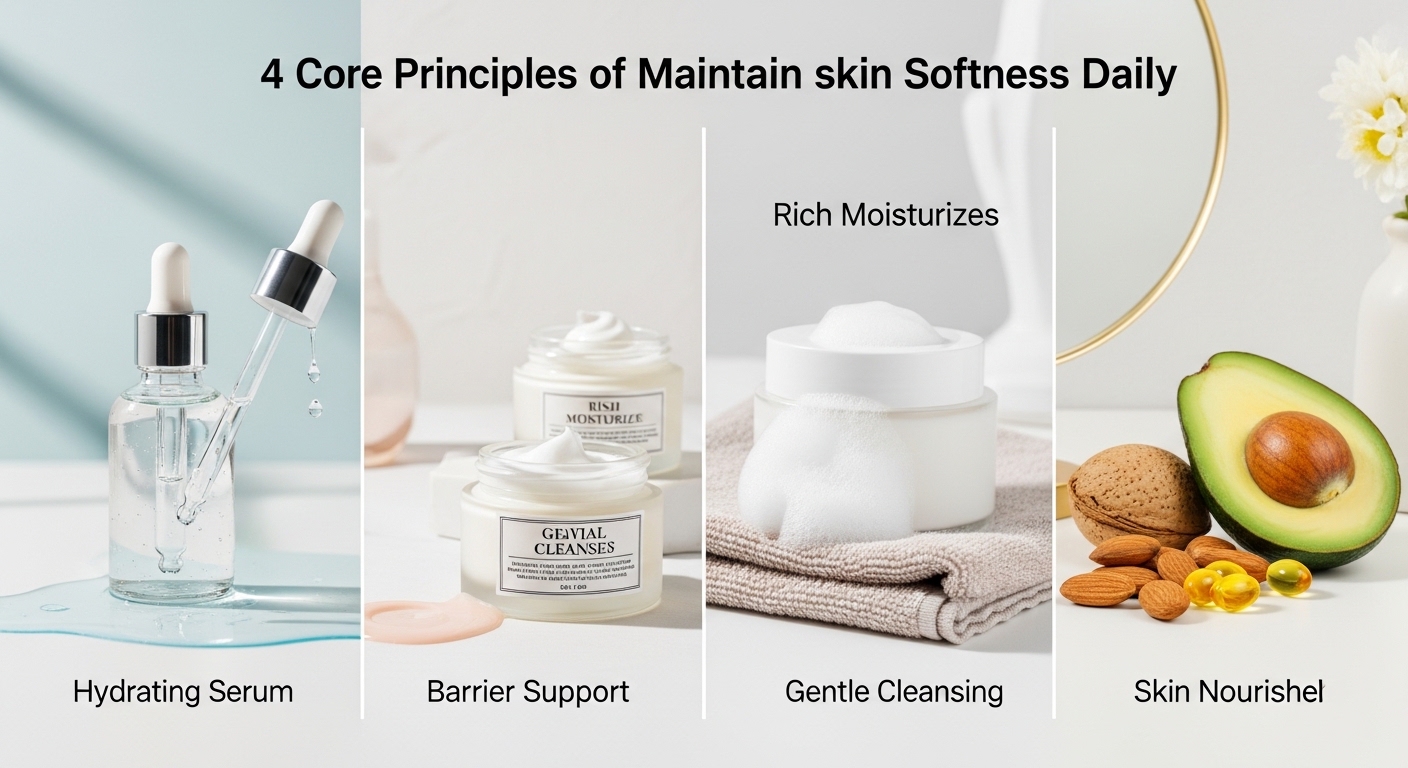
There are four key principles of skin maintenance: hydration, barrier support, gentle cleansing, and nourishment, which must be used on a daily basis.
- Hydration: Humectants such as hyaluronic acid and glycerin should be used to attract water into the skin.
- Barrier Support: The emollients and ceramides provide defense against the loss of moisture and the environment.
- Gentle Cleansing: do not over wash, use rough soaps which remove natural oil.
- Nourishment: Vitamins, antioxidants, and essential fatty acids help in repairing the skin and making it soft.
Adherence to these principles will guarantee stable feeling of hydration, decrease irritation and provide smoothness in the long run.
Daily Skincare Practices to Keep Skin Soft
Gentle Cleansing Techniques
Cleansers in the morning and evening should get the impurities off and not deny the skin the natural oils. pH-balanced cleansers, micellar water or the light foaming cleansers are ideal. Hot water should be avoided because it may make the skin drier, and as an alternative, one should use lukewarm water.
Hydrating Serums and Moisturizers
Deep hydration is provided by serums with hyaluronic acid or peptides, and the ceramide, squalane, or glycerin found in moisturizers seal the moisture. Serum should be layered into the skin and then moisturizer to improve the absorption and permanency.
Protective Measures
The daily use of sunscreen helps in avoiding the UV rays that lead to dryness and roughness. Barrier creams or oils with low weight can be used to avoid the loss of moisture in dry climates.
Exfoliation for Smooth Texture
Gentle exfoliation keeps the skin away from destruction and removes dead skin cells. Mild AHAs, PHAs, or masks constructed with enzymes are best once 1-2 times a week. Excessive exfoliation may impair the ability of barriers to work efficiently and become less soft.
Natural Remedies for Soft Skin
Besides topical products, there are also the natural solutions that may replace everyday softness:
- Aloe Vera Gel: Soothes and moisturizes overworked or delicate skin.
- Honey Masks: Natural humecturants and antioxidants.
- Oatmeal Packs: relieve irritation and keep skin moist.
- Cold-Pressed Oils: The oils that facilitate the function of barriers include Jojoba, almond or rosehip oils.
- Fruit-Based Masks: Avocado, cucumber or papaya contain vitamins and hydrate.
These techniques are ad-hoc to your day to day life.
Lifestyle Habits to Support Soft Skin
Nutrition
- Fatty acids of omega-3, vitamins A, C, E, and antioxidants are protective and nourishing to skin.
- Foods that aid in collagen synthesis such as fish, eggs and bone broth contribute to softness and firmness.
Hydration
-
Skin is supple and elastic with proper illumination through drinking a lot of water and consuming hydrating food.
Sleep and Stress Management
- Profound natural sleep enables the repair of cells and natural hydration. The stress management with the help of meditation or yoga minimizes the cortisol-induced parchedness and irritability.
Tailoring Your Routine for Different Skin Types
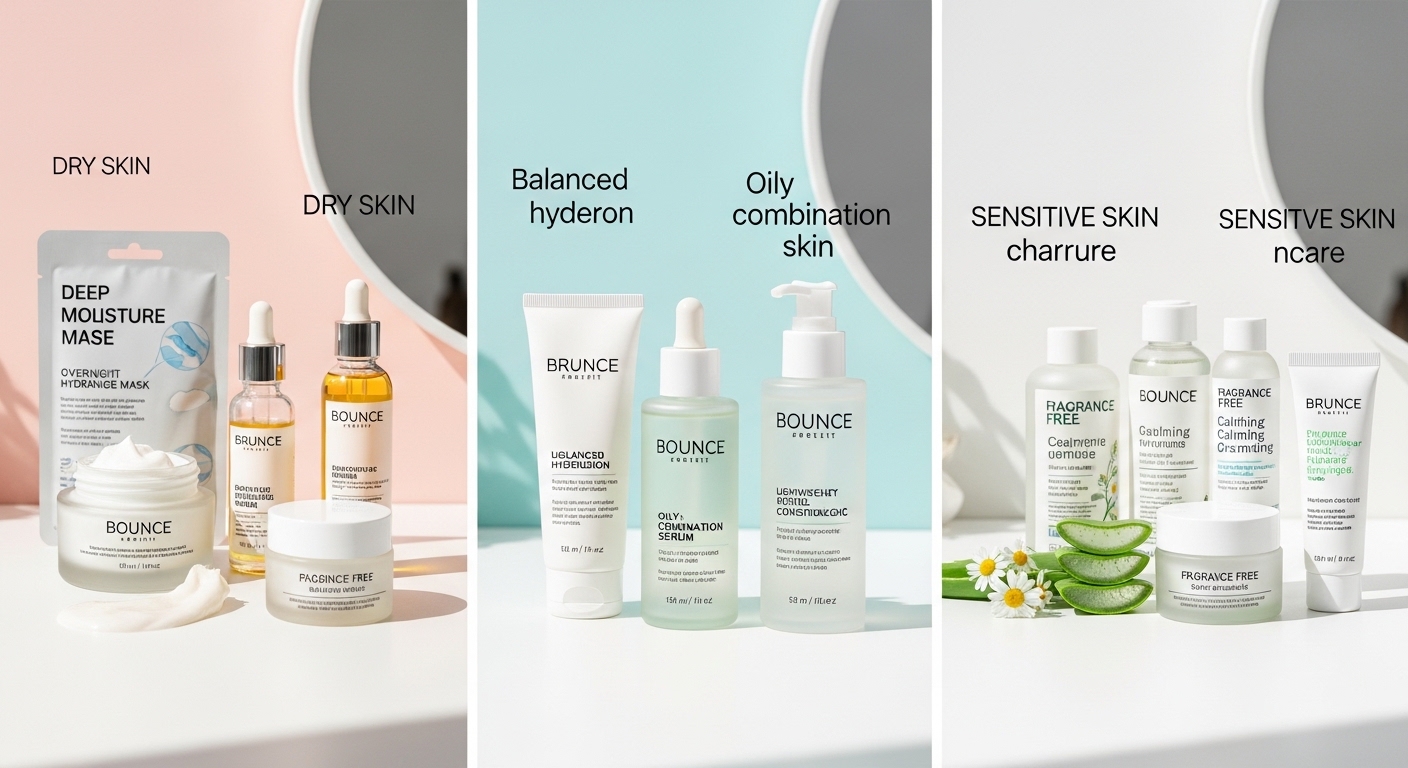
Dry Skin
- Apply fancier creams, oils and overnight hydration masks.
- No alcohol based products or rough cleansers.
Oily/Combination Skin
- Use light non-comedogenic moisturizers.
- Pay more attention to the hydration of dry areas without excessive oiliness of oily areas.
Sensitive Skin
- Select scentless and relaxing products.
- Patch-test and introduce new products slowly and gradually in order to avoid irritation.
Common Mistakes That Reduce Softness
- Excessive washing or shedding of the skin.
- Omitting moisturizer or hydration.
- Disregarding environmental and sun protection.
- Excessive number of active ingredients used at the same time.
These are some of the errors that you should avoid in order to make your day-to-day lives soft.
How Long to See Results
- Immediate: After regular use of the product, the skin is hydrated, tender, and comfortable.
- Short-Term (1–2 weeks): Better texture, fewer rough spots, and increased moisture.
- Long-Term (4+ weeks): Soft, constant, and bright and healthy skin.
Regularity is of essence, soft skin needs daily attention, both externally and internally.
When to Consult a Professional
Seek professional advice if:
- Constant dryness, scaly, or inflammation takes place.
- There are such chronic types as eczema, psoriasis or dermatitis.
- You would like to have home care with the treatments recommended by the dermatologists.
Professional advice is a guarantee of safety and quickness of the outcomes.
Final Thoughts
FAQs
Q1: How can I maintain skin softness daily?
Gentle cleansing, hydration, barrier repair, exfoliation, and healthy lifestyle habits are key.
Q2: Which ingredients help keep skin soft?
Hyaluronic acid, glycerin, ceramides, squalane, peptides, and natural oils.
Q3: Can sensitive skin benefit from daily softening routines?
Yes—use fragrance-free, soothing ingredients and avoid harsh actives.
Q4: How often should I exfoliate for soft skin?
1–2 times per week with mild AHAs, PHAs, or enzyme-based masks.
Q5: Do lifestyle habits affect skin softness?
Yes. Nutrition, hydration, sleep, and stress management greatly impact daily skin softness.