

Improving Skin Texture Naturally
Improving Skin Texture Naturally is possible when you focus on consistency, barrier health, hydration, and gentle renewal instead of harsh treatments. It is commonly accepted that rough skin only needs a lot of peels, daily peeling or other costly treatments in order to smooth it out.
Table Of Content
- Improving Skin Texture Naturally
- Key Takeaways
- What Skin Texture Really Means
- Common Causes of Uneven Skin Texture
- Dead Skin Cell Buildup
- Dehydration
- Over-Exfoliation
- Sun Damage
- Clogged Pores
- Lifestyle Factors
- The Natural Approach to Smoother Skin
- Gentle Exfoliation Without Overdoing It
- Hydration: The Fastest Way to Improve Texture
- Strengthening the Skin Barrier
- Collagen and Skin Smoothness
- Lifestyle Changes That Make a Visible Difference
- Sleep
- Hydration
- Nutrition
- Stress Management
- Exercise
- A Practical Weekly Routine for Smoother Skin
- A 30-Day Plan for Improving Skin Texture Naturally
- Common Mistakes That Worsen Texture
- Improving Skin Texture Naturally for Different Skin Types
- Sensitive Skin
- Oily Skin
- Dry Skin
- Combination Skin
- Mature Skin
- When Natural Methods May Not Be Enough
- Realistic Expectations
- Final Thoughts on Improving Skin Texture Naturally
- Frequently Asked Questions
- Q1. How long does it take to improve skin texture naturally?
- Q2. Can I improve skin texture without using retinol?
- Q3. Is daily exfoliation necessary for smooth skin?
- Q4. Does drinking water help improve skin texture?
- Q5. Can natural methods reduce enlarged pores?
In reality, improving skin texture naturally often comes down to supporting your skin’s own renewal process and removing the habits that are silently damaging it. When your skin is rough, bumpy, uneven, or dull, then you are not alone. One of the most popular complaints of skincare is the issues of texture. The positive aspect is that, in order to experience visible improvement, you do not need a harsh resurfacing.
With the correct approach, patience and moderated treatment, healthier and more natural skin will be easily attainable. This step-by-step tutorial will take you through the reasons why texture becomes uneven, how to fix it without hard work, and a consistent routine that will work in the long-term to achieve actual and substantial results.
Key Takeaways
Consistency matters more than intensity.’
Improving Skin Texture Naturally requires steady care over weeks, not aggressive treatments for a few days.
Hydration instantly improves surface smoothness.
The skin, which is dehydrated, is rough. Humectants, such as glycerin and hyaluronic acid, can be added to texture to a significant degree.
Over-exfoliation makes texture worse.
Light exfoliation methods with 1-3 times a week are normally sufficient. Excessive exfoliation destroys the barrier making bumps and irritation worse.
Barrier repair is foundational.
Ceramides, fatty acids, niacinamide, and others, are ingredients that can be used to replenish the balance so that natural cell turnover can occur.
Sun protection protects smoothness.
The daily use of sunscreen will stop the destruction and roughness of collagen due to UV radiation.
What Skin Texture Really Means
The skin texture is the appearance and feel of the skin that you possess. It includes:
- Small bumps
- Enlarged pores
- Rough patches
- Fine lines
- Flaky areas
- Traffic jamming below the surface.
- Lack of evenness together with dryness.
The problems of texture are usually misunderstood with the acnes, but they are not necessarily similar. In other cases the issue is dead scaly. There are other instances when it is dehydration, inflammation, or damage of barriers. Understanding the root cause is the first step toward improving skin texture naturally.
Common Causes of Uneven Skin Texture
Dead Skin Cell Buildup
The turnover of cells is reduced as we grow old. The dead cells take longer to be removed off the surface making it rough and dull. In case of mixing of these cells with the oil, they may block pores and form small bumps.
Dehydration
Cases of skin dehydration are not oil-dehydrated. In case skin cells lose water, the skin cells shrink and cause the surface to appear lumpy. It is one of the least considered reasons of rough texture.
Over-Exfoliation
It would be ironical that in both instances, attempting to fix your skin too much ends up worsening it. The skin barrier is destroyed by harsh scrubs, high percentage acids, and exfoliation daily. Weakened perineum causes inflammation, tightness and increased appearance.
Sun Damage
The UV radiation makes the skin layer thicker and collagen is destroyed. In the long run, it will result in coarseness, irregularity, and swollen pore.
Clogged Pores
Overproduction of oils particularly when accompanied by poor cleansing or over-stripping of oil reserves may lead to overcrowding. Such minute blockages form a bumpy surface.
Lifestyle Factors
Sleep deprivation, chronic stress, smoking, dehydration, bad diet also affect the skin renewal and collagen production. Improving skin texture naturally requires addressing these root causes instead of masking them.
The Natural Approach to Smoother Skin
To attain long-term smoothness then it is best to work in harmony with the biology of your skin and not against it. The natural improvement is concerned with:
- Promoting sound cell proliferation.
- Maintaining hydration
- Strengthening the barrier
- Protecting collagen
- Reducing inflammation
This method does not guarantee instant transformation as opposed to aggressive resurfacing. In its place, it develops slowly and visibly during the weeks.
Gentle Exfoliation Without Overdoing It
It is good to exfoliate–but to do it in moderation.
In case of skin cells that are already dead, they can be removed meticulously and softness will be enhanced immediately. Nevertheless, too much exfoliation leads to micro-damage which makes the texture uneven.
For most people:
-
Sensitive skin: 1–2 times weekly
-
Normal or combination skin: 2–3 times weekly
-
Oily skin: 2–3 times weekly
Weak AHAs, PHAs or enzyme exfoliants can be used. These offer light exfoliation peels and are not harsh.
Mild exfoliation method is most effective when combined with hydrating and repairing of the barriers. When your skin burns or stings, then you have probably been doing too much.
Symptoms that you are shedding excessive amounts of sweat are:
- Persistent redness
- Increased breakouts
- Shiny but tight skin
- Flaking and irritation
Provided that these happen, interrupt exfoliation and repair.
Hydration: The Fastest Way to Improve Texture
One of the simplest methods for improving skin texture naturally is proper hydration.
As long as the skin cells are properly hydrated, they become slightly swollen and more level. This causes the surface to become nearly smoother.
Look for ingredients such as:
- Glycerin
- Hyaluronic acid
- Beta-glucan
- Aloe vera
Use hydrating products on slightly moist skin and apply a moisturizer in order to prevent loss of water.
The dramatic improvement of the texture is just perceived by many people by correcting the dehydration.
Strengthening the Skin Barrier
Your armor is the skin barrier. In case it is damaged, the issues of texture are multiplied.
A weak barrier leads to:
- Roughness
- Sensitivity
- Increased oil production
- Inflammation
- Poor healing
To repair it, prioritize:
- Ceramides
- Cholesterol
- Fatty acids
- Low-percentage niacinamide
Barrier repair has been shown to show positive results in terms of texture repair compared to using exfoliation alone since healthy skin will renew itself more effectively.
Take a break of two weeks in case your skin is irritated:
Morning:
- Gentle cleanse
- Hydrating serum
- Barrier moisturizer
- Sunscreen
Evening:
- Cleanse
- Hydrate
- Rich moisturizer
Avoid acids during this period.
Collagen and Skin Smoothness
The texture is more than on the surface. Firmness and smooth structure of the skin is provided by the collagen.
Collagen thins out with age and skin may end up disordered and porous.
In order to facilitate collagen:
- Take vitamin C in small concentrations.
- Consider peptides
- Protect from sun exposure daily
- Avoid smoking
- Prioritize sleep
Sunscreen is to be put on daily. The destruction of collagen and aggravation of roughness is caused by UV damage with the course of time.
Lifestyle Changes That Make a Visible Difference
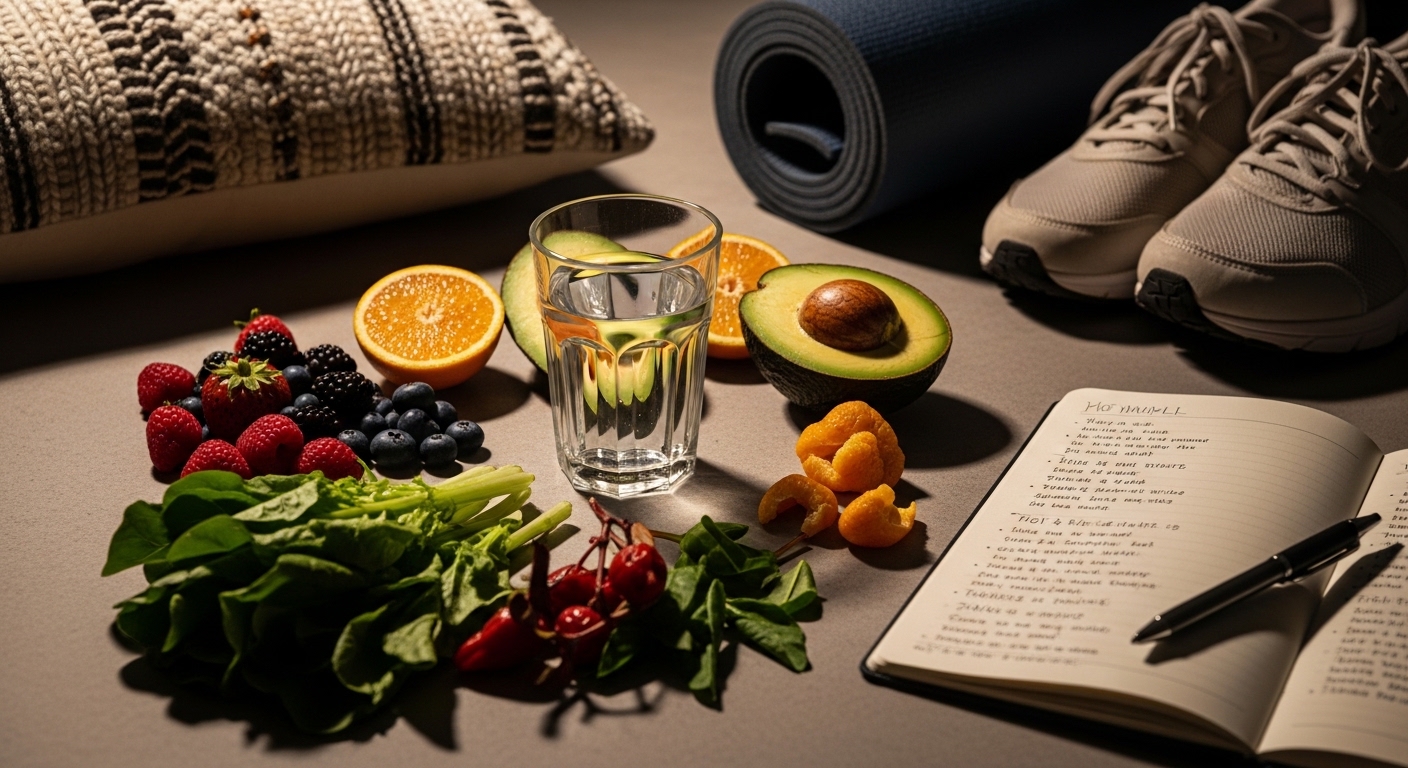
Improving skin texture naturally goes beyond products.
Sleep
Deep sleep also activates the growth hormone that helps in the production and repair of collagen.
Hydration
Drink adequate water daily. Topical hydration is supplemented by internal hydration.
Nutrition
A healthy diet that is based on fruits, vegetables, healthy fats, and lean proteins is an anti-inflammatory diet that helps replenish the health of the skin.
Stress Management
Cortisol is raised by chronic stress and this may cause an oil imbalance and inflammation.
Exercise
Increased circulation increases the supply of nutrients to the skin. Minor lifestyle modification brings about quantifiable changes in the long term.
A Practical Weekly Routine for Smoother Skin
The following is an example of a bare and basic routine structure:
Monday: Hydration and barrier focus
Tuesday: Gentle exfoliation at night
Wednesday: Repair only
Thursday: Hydration focus
Friday: Gentle exfoliation
Weekend: Repair and protect
It is advisable to avoid two or more actives in the same day.
A 30-Day Plan for Improving Skin Texture Naturally
Week 1: Repair
Pay attention to hydration and the enhancing of the barrier.
Week 2: Add exfoliation, which is mild, 1 time per week.
Week 3: Hydrate more layers and observe the skin reaction.
Week 4: Be consistent and review the progress.
Expected changes:
- Week 2: Softer feel
- Week 3: Brighter appearance
- Week 4: surface became more even and smooth.
Common Mistakes That Worsen Texture
-
Over-exfoliating
-
Mixing retinol and strong acids too frequently
-
Skipping sunscreen
-
Using hot water
-
Changing products weekly
-
Ignoring hydration
Consistency is more powerful than intensity.
Improving Skin Texture Naturally for Different Skin Types
Improving skin texture naturally requires understanding that every skin type behaves differently. What is soft to the skin of one individual, may be rough to the skin of another. The most important argument is to manipulate exfoliation, hydration and care of barriers depending on your needs. A detailed guide to the various types of skin is provided below so that you can polish without causing harm to your skin.
Sensitive Skin
Sensitive skin is sensitive, and it is easily irritated and it is likely to turn red, burn, or tight. The greatest error in this type of skin is to over-exfoliate or experiment with active ingredients that are too harsh. In case of sensitive skin, the main objective should be to calm inflammation and preserve the barrier.
Best approach:
- PHAs (polyhydroxy acids) should be used in lieu of more harsh AHAs. PHAs contain bigger molecules, and it implies that they penetrate much slower and less irritate.
- The papaya or pumpkin enzyme and so on can be gently applied to the skin to dissolve any build up on the skin surface once a week.
- Select unscented products to lessen the irritation triggers.
- Restrict exfoliation to 12 once per week. Pay much attention to hydration and ceramide based moisturizers.
Symptoms of overexertion are stinging, redness that lasts more than 20 min or sensitivity of previously insensitive products.
In the case of sensitive skin, the enhancement of texture is a more natural process, which is not so much about the addition of more exfoliation in the process, but rather the fortification of the barrier. When the barrier has been reinforced, the texture tends to enhance itself.
Oily Skin
The skin of those with oily skin also tends to have clogged pores, congestion as well as over-sized pores that may leave it bumpy. Most individuals with oily skin attempt to remove the oil through the use of harsh cleansers, or they exfoliate regularly. This, however, backfires most of the time.
When a person is stripped of the skin, more oil is generated in order to compensate.
Best approach:
- Do light exfoliation 2-3 times a week so that the pores do not clog.
- Take into account low-strength salicylic acid or azelaic acid to deal with congestion.
- Moisturize the skin using light and oil-free lubricants.
- The toners should not be alcohol-intensive making the oil rebound.
- Use two times a day with a pH-balanced cleanser.
It is particularly vital to be hydrated. Oily skin is also dehydrating. The surface seems to be smoother when oil production is properly hydrated and becomes more balanced. Improving skin texture naturally for oily skin means balancing oil—not eliminating it.
Dry Skin
Dry skin has no oil and it is frequently coarse, scaly or hard. This is generally due to damage of the barrier and dehydration as opposed to an overload buildup of the texture issues in dry skin. Excessive exfoliation may enhance dryness and increase the occurrence of texture.
Best approach:
- Focus on repairing of barriers using ceramides, fatty acids, and cholesterol.
- Moderately apply a mild lactic acid exfoliant every now and then (once a week) to get rid of flakes.
- Use moisturizing serums with more cream.
- Apply a heavier hydrate at night.
- Those foaming cleansers should be avoided which deprive natural oils.
Desiccated skin is also sensitive and reacts positively to light rejuvenation combined with intense hydration. Once the skin barrier is rejuvenated, roughness starts to fade away and the texture becomes more sophisticated. Consistency is critical. Constant product changing may interfere with progress.
Combination Skin
Combination skin has oily and dry sides, the former is usually located in the T-zone (forehead, nose, chin), the latter in the cheeks. The difficulty lies in the therapy of the two issues without aggravating one. Often when using it on the face one will apply it too much in general, when it is only necessary in some parts.
Best approach:
- Apply exfoliants to the oily areas on the skin, instead of all over the skin.
- Apply lighter moisturizer on the T-zone and creamier one on the arid parts.
- Bath once–three times a week.
- Do not use rough scrubs which cause irritation to dry areas.
- Pay attention to the overall face hydration.
Targeted care is the secret to improving skin texture naturally with combination skin. Approach every area with the needs of that area in mind rather than applying the one size fits all method.
Mature Skin
One of the effects of maturity on skin is slow cell turnover, loss of collagen, skin drying, and unevenness. The issue of the texture might involve fine lines, roughness and the expansion of the pores because of decreased elasticity.
Mature skin texture should be improved by not only working on the surface but also by increasing structural support.
Best approach:
- Apply light exfoliation 12 times per week to assist turnover.
- Add collagen-supporting such ingredients as vitamin C or peptides.
- Keep up with high daily sun protection.
- Enhance creams of higher grade.
- Take into consideration low-dose retinol put in gradually.
The use of sun protection is particularly crucial since UV destruction increases collagen destruction and aggravates the texture.
In the case of grown-up skin, tolerance is of the essence. Smoothness and firmness can only be developed after a certain time but with consistent care.
When Natural Methods May Not Be Enough
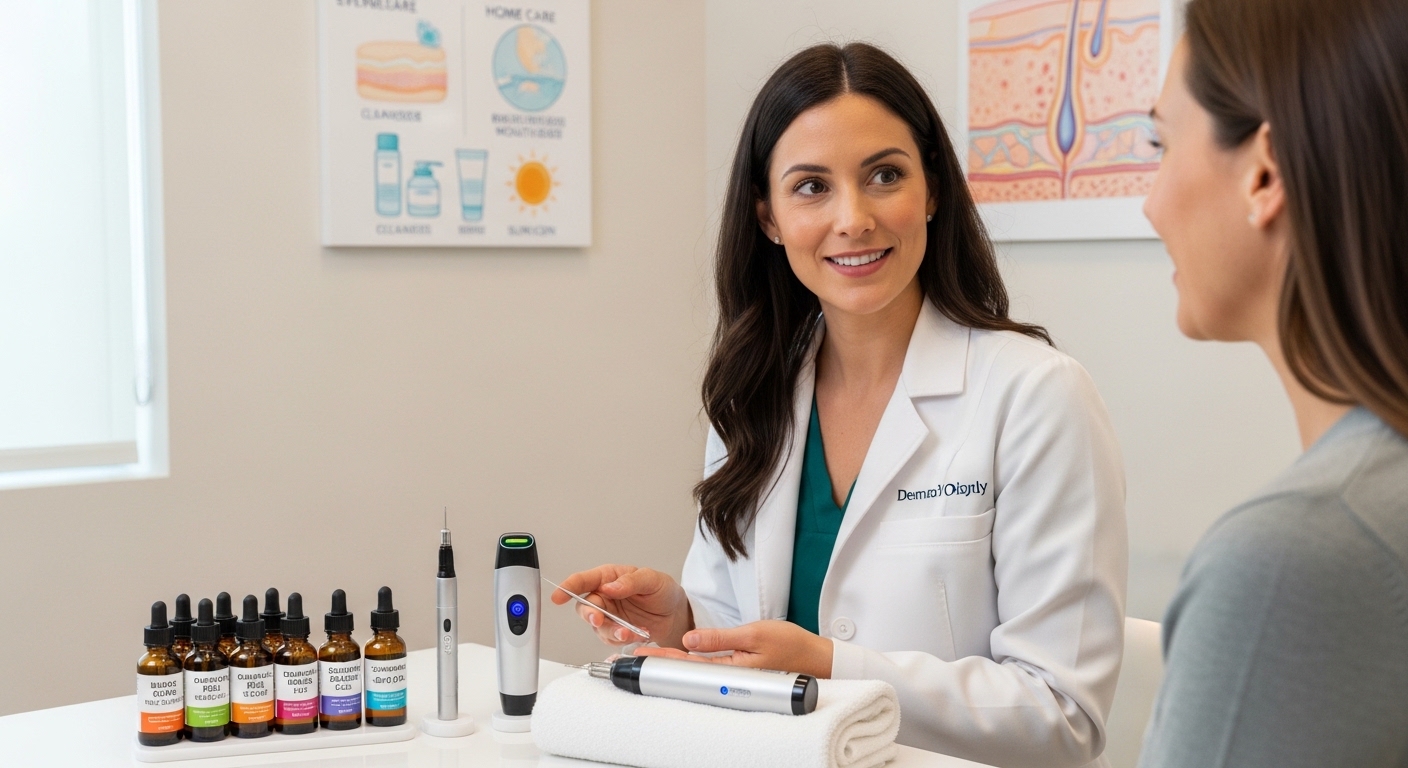
Though natural and gentle techniques are much effective with most individuals, the situations of professional advice may arise.
You might require the services of a dermatologist in case you feel:
- Deep acne scars (i.e. ice pick or boxcar scars)
- Thickened skin with much sun damage.
- Continuous coarse patches which are never improved.
- Severe hyperpigmentation
- Chronic diseases of inflammation.
Chemical peels, microneedling, and laser therapy, or prescriptive retinoids can be suggested based on the level of the concern.
Nevertheless, even professional care brings the best results in case of steady home care. Barrier repair, hydration and sun protection is necessary both pre- and post-treatment.
Professional care should be regarded as an enhancement, and not a substitute of everyday skincare.
Realistic Expectations
Improving skin texture naturally is not instant. Hasty repairs tend to harm the wall.
With steady care:
- Initial smoothness: 2–3 weeks
- Visible improvement: 4–6 weeks
- Long-term structural change: several months
Patience leads to sustainable results.
Final Thoughts on Improving Skin Texture Naturally
Improving skin texture naturally is about working with your skin’s biology rather than forcing rapid change. Light peeling, intense hydration, and repairing of the barrier, protection of collagen and lifestyle balance form the basis to a smoother and healthier skin.
You need not resort to violent measures to get polishing. Actually, most of the issues of texture are eased by streamlining your routine.
Focus on:
- Consistency
- Moderate exfoliation
- Hydration
- Barrier health
- Sun protection
Frequently Asked Questions
Q1. How long does it take to improve skin texture naturally?
You may feel smoother skin within 2–3 weeks. Visible improvement in tone and evenness typically appears after 4–6 weeks of consistent care.
Q2. Can I improve skin texture without using retinol?
Yes. Many people see significant improvement through hydration, barrier repair, gentle exfoliation, and sun protection without retinol.
Q3. Is daily exfoliation necessary for smooth skin?
No. Most skin types only need exfoliation 1–3 times per week. Daily exfoliation can weaken the skin barrier and worsen uneven texture.
Q4. Does drinking water help improve skin texture?
Drinking enough water supports overall hydration, but combining internal hydration with topical moisturizers delivers better visible results.
Q5. Can natural methods reduce enlarged pores?
Natural methods can minimize the appearance of pores by keeping them clear, strengthening collagen, and maintaining balanced oil production, but they cannot permanently shrink pore size.